
What Is the Best Time to Visit Tanzania? Safari, Weather & Zanzibar Guide
Month-by-month guide to the best time to visit Tanzania for safari, the Great Migration, calving season, Kilimanjaro and Zanzibar, with rainy-season, budget and booking advice.
The best time to visit Tanzania depends on what you want to experience.
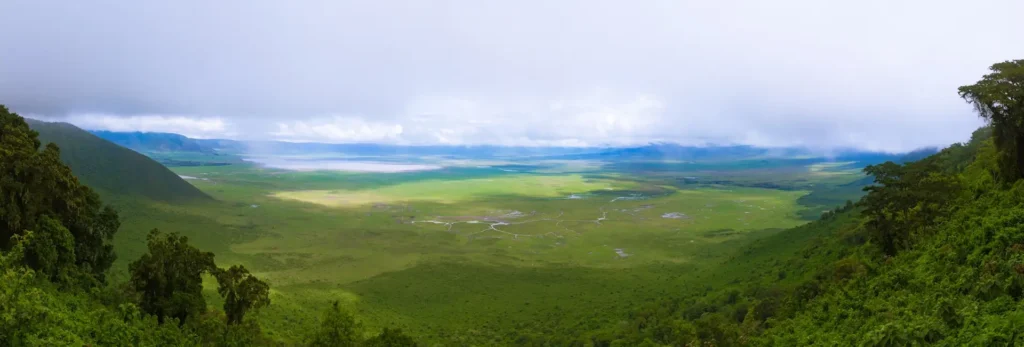
In general, June to October is the best time for a classic Tanzania safari. The weather is dry, the wildlife is easy to see and travel is smooth. For the Serengeti's calving season, January and February are very rewarding. If the Great Migration is your priority, the best month depends on where the herds are moving. For example, July to September is popular for the northern Serengeti and possible Mara River crossings.
For Zanzibar, June to October and January to February are among the most popular times for beach holidays. April and May, meanwhile, bring the heaviest rains.
But there is no single “best month” for the whole country.
Tanzania is a year-round destination. The ideal time to go changes with what you want to do. You might want wildlife, the Great Migration, Kilimanjaro, Zanzibar beaches, birdwatching, fewer tourists or lower prices. Or you may want a mix of these.
How This Guide Is Organised
This guide explains when to visit Tanzania month by month. Then it shows how to pick the right season for your trip.
In this guide
- Tanzania's Seasons at a Glance
- June to October: The Best Overall Time for a Tanzania Safari
- January and February: Calving Season
- March to May: The Green Season
- June: The Beginning of the Dry Season
- July to September: Peak Safari Season
- October: An Excellent Shoulder-Season Option
- November and December: Short Rains and Green Landscapes
- Best Time to See the Great Migration
- Best Time to Visit Tanzania for the Big Five
- Best Time to Visit Tanzania for Wildlife Photography
- Best Time to Visit Tanzania for Birdwatching
- Best Time to Climb Mount Kilimanjaro
- Best Time to Visit Zanzibar
- Best Time for a Tanzania Safari and Zanzibar Combination
- Best Time for a Honeymoon in Tanzania
- Best Time for Families
- Best Time for Fewer Tourists
- Does It Rain All Day During Tanzania's Rainy Season?
- Is Tanzania Worth Visiting During the Rainy Season?
- When Is Tanzania Most Expensive?
- When Is Tanzania Cheapest?
- Month-by-Month Tanzania Travel Guide
- Best Time by Travel Goal
- What Is the Best Month to Visit Tanzania?
- How Far in Advance Should You Book?
- How to Choose the Right Month for Your Tanzania Safari
Tanzania's Seasons at a Glance: The Best Time to Visit Tanzania
Tanzania does not have four European-style seasons. Instead, most travelers think of dry periods, short rains and long rains.
| Period | General conditions | Best for |
|---|---|---|
| January–February | Warm, relatively dry in many areas | Calving season, wildlife, Zanzibar, Kilimanjaro |
| March | Increasing rainfall | Green landscapes, fewer visitors |
| April–May | Main rainy season | Quiet travel, green scenery, potential lower rates |
| June | Dry season begins | Safari, wildlife, comfortable travel |
| July–September | Dry, popular, busy | Safari, Great Migration, Zanzibar, Kilimanjaro |
| October | Generally dry, warmer | Safari, Zanzibar, fewer crowds than peak months |
| November | Short rains begin | Green season, birds, fewer tourists |
| December | Short rains, festive travel period | Safari, Zanzibar, Christmas/New Year |
These patterns vary by region and year. Weather is never fully certain, so treat them as general patterns, not promises.
June to October: The Best Time to Visit Tanzania Overall for a Safari
If someone asks for one period that suits a first Tanzania safari, June to October is one of the best choices.
The weather is usually drier. Also, the bush is often less thick, so wildlife can be easier to spot near the remaining water.
This is particularly attractive in places such as:
- Serengeti National Park
- Ngorongoro Conservation Area
- Tarangire National Park
- Lake Manyara National Park
- Ruaha National Park
- Nyerere National Park
The Serengeti is officially called a year-round destination. However, June to October is named as the dry season and January to February as the calving season.
However, the main drawback is demand.
July through September can be among the busiest times, most of all around famous wildlife areas and migration hotspots. As a result, lodges can sell out early. Popular safari routes may also feel busier.
If you want the benefits of the dry season but prefer fewer visitors, June and October can be excellent choices.
January and February: Calving Season
January and February are among the most exciting months if you love the Serengeti's wildlife cycle.
When conditions are right, large numbers of wildebeest gather in the southern Serengeti and nearby areas. Then the calving period brings a huge number of newborn animals.
This also creates opportunities to see predator activity.
Lions, cheetahs, hyenas and other hunters take advantage of the many young animals.
Also, the landscape is often greener than in the driest months, which makes for excellent photos.
Why Visit Tanzania in January or February?
- Serengeti calving season
- High concentrations of herbivores in relevant areas
- Predator activity
- Green landscapes
- Excellent photography
- Good birdwatching
- Warm weather
- Zanzibar beach opportunities
These months are very good if you care more about wildlife behavior than simply dry weather.
March to May: The Green Season
March, April and May have a lot of rain, especially in the main rainy period.
This is often called the green season.
However, it is not automatically a bad time to visit Tanzania.
In fact, travelers who understand the season can have an exceptional experience.
The land turns lush and green. Migratory birds are here, and some places become much quieter.
The main challenge is that heavy rain can slow roads and change travel plans in some areas.
April and May usually get the most attention when people discuss the long rains.
So if you plan a safari in this period, a well-planned itinerary matters even more.
Our Tanzania safari experts look at road conditions, park location, lodging and the trip you want. Then they suggest a route.
June: The Beginning of the Dry Season
June is an excellent transition month.
The rains are generally fading. The land can still keep a lot of green, and safari conditions slowly get better.
June can also suit travelers who want to avoid the busiest months later in the year.
It is a strong month for:
- Serengeti
- Ngorongoro
- Tarangire
- Wildlife photography
- Kilimanjaro
- Zanzibar
- Combining safari and beach
For many travelers, June offers one of the best mixes of weather, wildlife and travel conditions.
July to September: Peak Safari Season
July, August and September are among the most popular months for Tanzania safaris.
The weather is usually dry and temperatures are comfortable in many safari areas. As a result, wildlife viewing can be excellent.
The northern Serengeti becomes key for travelers hoping to see parts of the Great Migration cycle.
Tanzania Tourism notes that the migration happens all year. However, July to September draws many visitors hoping to see dramatic river crossings.
Here is a key myth to avoid:
The Great Migration does not follow a set calendar.
Instead, the animals follow rainfall, grass and other conditions.
So a river crossing cannot be promised on a set day.
If seeing the migration is your main reason to visit, allow enough time in the right region. Do not rely on a single afternoon.
October: An Excellent Shoulder-Season Option
October can be an excellent month if you want dry-season conditions but fewer crowds than the peak season.
Wildlife viewing stays strong in many places.
Temperatures may begin to rise in some areas. Also, the shift toward the short rains can change from year to year.
October is also a good time to combine:
Safari + Zanzibar
because both can work well within the same trip.
November and December: Short Rains and Green Landscapes
November usually marks the start of the short rains in many parts of Tanzania.
However, rain does not mean it rains all day.
Short showers can be followed by sunshine.
The land becomes greener and visitor numbers can drop. In addition, birdlife can be very rewarding.
December is trickier because demand rises around Christmas and New Year.
If you travel in the festive season, book lodging and flights well in advance.
Best Time to Visit Tanzania to See the Great Migration
No single month represents the entire Great Migration.
The herds move through the wider Serengeti–Mara area all year.
Different stages suit different wishes, depending on what you want to see.
January–March
This period is linked with the southern Serengeti and calving season when conditions are right.
It can be excellent for seeing:
- Wildebeest
- Newborn calves
- Zebras
- Predators
- Large herds
- Dramatic predator-prey interactions
April–June
At first, the herds begin moving as conditions change.
This period is less predictable. For that reason, expert trip planning is very valuable.
July–September
This is the period most linked with the famous northern Serengeti migration and possible Mara River crossings.
But crossings are not guaranteed.
October–December
Then the herds gradually move south again as conditions change.
The exact timing varies.
For that reason, a good migration safari follows the animals. It is not based on a website saying “July is migration month.”
Best Time to Visit Tanzania for the Big Five
If your priority is seeing the Big Five, the dry season from June to October is usually an excellent choice.
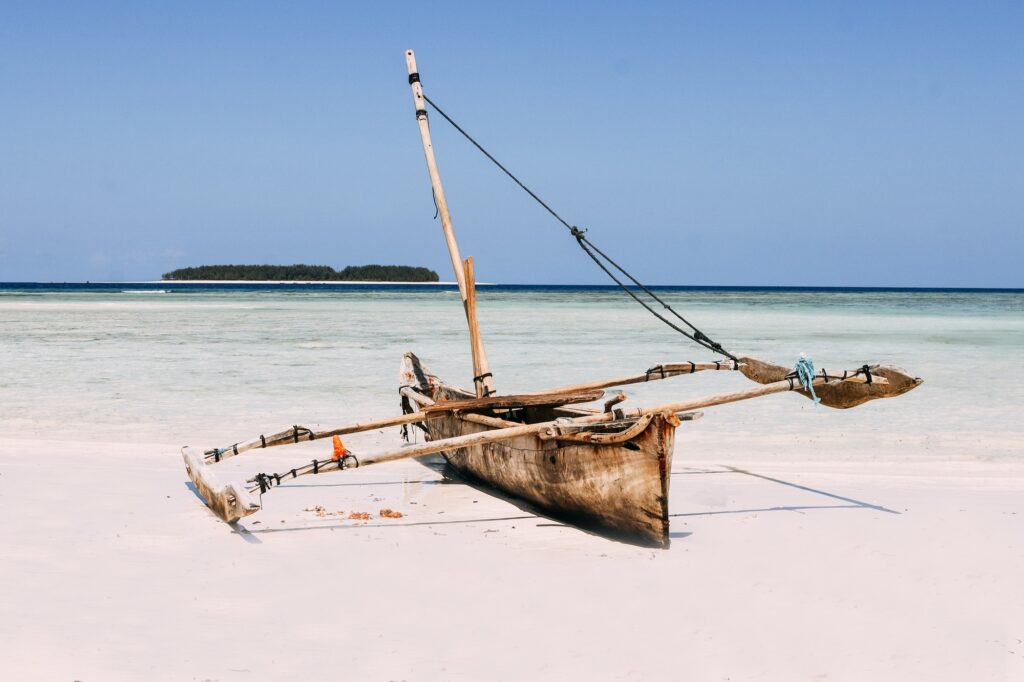
Serengeti and Ngorongoro are very strong choices.
Tarangire can also offer excellent elephant viewing, mostly when wildlife gathers around the water that remains.
However, wildlife is never guaranteed.
A safari is not a zoo visit.
Animals move freely, so every game drive is different.
Your guide's skill, where your lodge sits and your time in the park can all affect what you see.
Best Time to Visit Tanzania for Wildlife Photography
Photography can be excellent all year. However, each season gives a different look.
Dry season
Advantages include:
- Easier wildlife visibility
- Dusty landscapes
- Strong contrast
- Wildlife around water
- Clearer conditions on many days
Green season
Advantages include:
- Green landscapes
- Dramatic skies
- Young animals
- Migratory birds
- Fewer vehicles in some areas
- Beautiful photographic backgrounds
If you want classic golden savannah photos, consider the dry season.
If you want lush land and newborn animals, consider January and February.
Best Time to Visit Tanzania for Birdwatching
Birdwatchers can enjoy Tanzania all year. However, November through April can be very rewarding because migratory birds are here.
The green season also brings lively land, flowering plants and many insects. As a result, there are many kinds of birds.
The Serengeti alone is home to hundreds of bird species.
If birds are your priority, do not plan your trip exactly like a Big Five safari.
Instead, include different habitats.
Best Time to Visit Tanzania to Climb Mount Kilimanjaro
Mount Kilimanjaro can be climbed through much of the year. However, most people prefer the drier months, especially:
- January to February
- June to October
The mountain makes its own weather, and conditions can change quickly with height.
The summit is nearly 5,895 meters above sea level. So altitude and preparation matter in any month.
A good itinerary should put acclimatization first. It should not simply pick the shortest route to the top.
Best Time to Visit Tanzania and Zanzibar
Zanzibar has a tropical climate and can be visited all year.
For beach weather, June to October is one of the most popular times.
January and February are also good because they are usually hot and fairly dry.
The main rainy season is usually around April and May. Meanwhile, another shorter rainy spell often comes around November and December.
June–October
Excellent for:
- Beaches
- Swimming
- Stone Town
- Diving
- Snorkeling
- Honeymoons
- Safari and beach combinations
January–February
Excellent for:
- Hot beach weather
- Swimming
- Diving
- Relaxing after a safari
- Zanzibar holidays
March
Usually warm, with more rain toward the main rainy period.
April–May
The main rainy season.
Some travelers still visit, especially those seeking quieter conditions. However, outdoor plans can depend more on the weather.
November–December
Short rains can fall, but Zanzibar remains a good place to visit.
December can get busy because of the festive season.
Best Time for a Tanzania Safari and Zanzibar Combination
If you want both safari and beach, June to October is one of the easiest times to suggest.
You can spend several days exploring the mainland's wildlife areas. Then you can fly to Zanzibar for a beach holiday.
A typical trip might look like:
Day 1: Arrival in Arusha
Days 2–3: Tarangire and/or Ngorongoro
Days 4–6: Serengeti
Day 7: Fly to Zanzibar
Days 8–10: Zanzibar beach and Stone Town
Day 11: Departure
The exact plan should depend on your international flight times and the safari you want.
Best Time to Visit Tanzania for a Honeymoon
Tanzania is an excellent honeymoon destination. You can combine wildlife, luxury lodging, adventure and beaches.
For a classic honeymoon, consider:
June–October
for dry-season safari conditions followed by Zanzibar.
Another excellent option is:
January–February
when the Serengeti can offer spectacular wildlife around the calving period.
A honeymoon itinerary could combine:
- Private safari
- Luxury tented camp
- Serengeti
- Ngorongoro
- Hot-air balloon safari
- Zanzibar
- Private beach accommodation
Best Time to Visit Tanzania for Families
Families should think about more than weather alone.
The best time is often when roads, wildlife viewing, lodging and children's comfort all work together.
June to October can be very handy because conditions are usually dry.
January and February can also be excellent, especially for families who want to see young animals.
Also, for families with young children, private safari vehicles make the trip much more flexible.
Best Time to Visit Tanzania for Fewer Tourists
If avoiding crowds is your priority, consider the shoulder and green seasons.
Options include:
- March
- April
- May
- November
However, April and May bring more rain. So the trade-off is fewer visitors against less certain weather.
Another idea is to choose less-visited areas, such as parts of southern or western Tanzania. This works better than simply traveling in the busiest months.
Does It Rain All Day During Tanzania's Rainy Season?
No.
This is one of the most common myths about Tanzania.
Rainfall patterns vary a lot.
In some rainy periods, you may get a heavy shower followed by hours of sunshine.
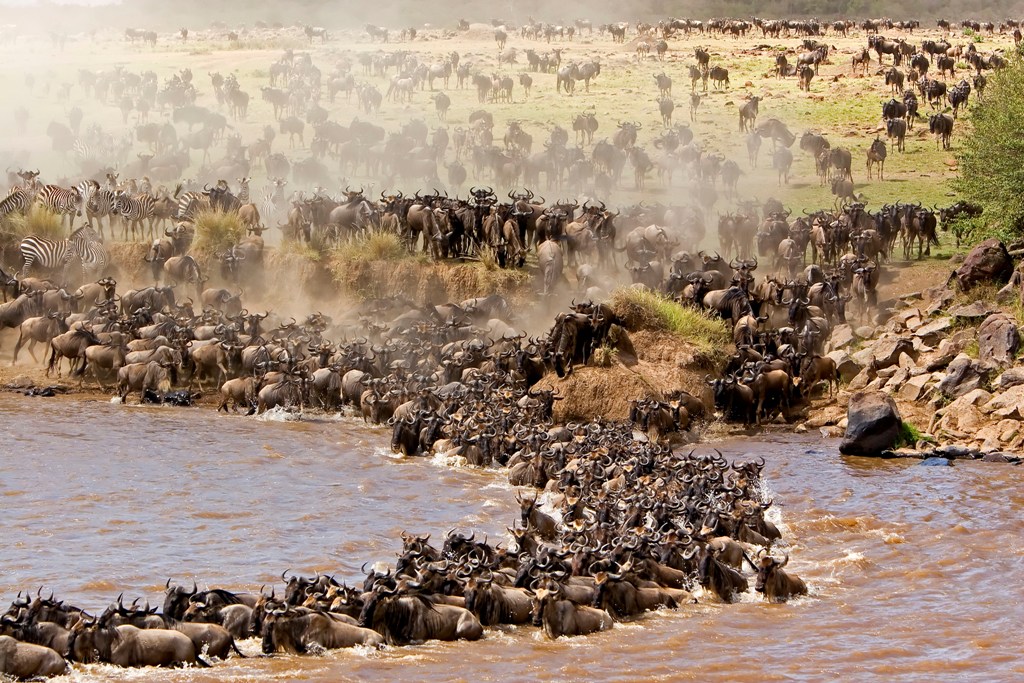
Other days can be much wetter.
The effect also depends on where you are.
For example, the weather around Mount Kilimanjaro can differ from Zanzibar, Serengeti or southern Tanzania.
That is why Tanzania should not be treated as if it has one single climate.
Is Tanzania Worth Visiting During the Rainy Season?
Absolutely, depending on your priorities.
The rainy season can offer:
- Green landscapes
- Fewer tourists
- Less demand for lodging in some periods
- Excellent birdwatching
- Dramatic skies
- Photography opportunities
- Calving-season wildlife during the appropriate months
However, the main drawback is that heavy rain can affect some roads and travel plans.
If you visit in the rainy season, keep your plans flexible and choose places carefully.
When Is Tanzania Most Expensive?
The highest prices usually come when demand is high.
For example, July through September can be very costly in popular safari areas because many people travel from abroad.
Christmas and New Year can also raise demand.
Also, luxury lodges in prime spots may keep high prices even outside peak season.
Traveling in the shoulder or green seasons can sometimes give better value. However, prices depend heavily on lodging, destination, room type and trip plan.
When Is Tanzania Cheapest?
There is no single nationwide “cheapest month.”
However, April and May are often seen as part of the lower-demand period because of the long rains.
November can also offer better value at times.
But price should not be the only factor.
A very cheap trip may involve long drives or lower-quality lodging. It may also not match your priorities.
The better question is:
When can I get the trip I want at the best value?
Month-by-Month Tanzania Travel Guide
Best Time to Visit Tanzania in January
Best for: Calving season, wildlife, Zanzibar, Kilimanjaro
January is one of the best months for travelers interested in the Serengeti's calving period.
Best Time to Visit Tanzania in February
Best for: Calving season and predators
February can offer exceptional wildlife action around the calving areas.
March
Best for: Green landscapes, fewer tourists, birdwatching
Rainfall becomes heavier, but the views can be spectacular.
Best Time to Visit Tanzania in April
Best for: Quiet travel and green scenery
Expect more rain and possibly tougher road conditions.
Best Time to Visit Tanzania in May
Best for: Quiet travel, green landscapes and possible value
This remains part of the main rainy period.
Best Time to Visit Tanzania in June
Best for: Safari, wildlife, Kilimanjaro and Zanzibar
June is an excellent step into the dry season.
Best Time to Visit Tanzania in July
Best for: Dry-season safari and Great Migration
Demand is high, so plan ahead.
Best Time to Visit Tanzania in August
Best for: Safari, migration and Zanzibar
One of the most popular months in Tanzania.
Best Time to Visit Tanzania in September
Best for: Safari, migration and dry weather
Excellent for travelers who want classic dry-season weather.
Best Time to Visit Tanzania in October
Best for: Safari and shoulder-season travel
A great alternative to the busiest months.
Best Time to Visit Tanzania in November
Best for: Green landscapes, birds and fewer tourists
Short rains may occur.
Best Time to Visit Tanzania in December
Best for: Safari, Zanzibar and festive travel
Travel demand rises around Christmas and New Year.
Best Time to Visit Tanzania by Travel Goal
| Your priority | Recommended period |
|---|---|
| First Tanzania safari | June–October |
| Big Five | June–October |
| Serengeti calving | January–February |
| Great Migration | Depends on herd location; July–September is popular |
| Birdwatching | November–April |
| Kilimanjaro | January–February or June–October |
| Zanzibar beaches | June–October or January–February |
| Honeymoon | June–October or January–February |
| Family safari | June–October or January–February |
| Fewer tourists | March–May or November |
| Green landscapes | November–May |
| Lower-demand travel | April–May and parts of November |
What Is the Best Time to Visit Tanzania by Month?
If you want the simplest answer:
Overall, July, August and September are among the best months for a classic dry-season safari and a migration trip.
But if you want something more specific:
- January–February: calving season and predators
- June: excellent balance of weather and wildlife
- July–September: dry season and popular migration period
- October: excellent safari with potentially fewer crowds
- November: green landscapes and birdlife
- April–May: quietest period but wetter weather
Therefore, there is no universal winner.
The best month depends on what you want to see and how you want to travel.
How Far in Advance Should You Book?
For peak-season travel, especially July through September, booking several months ahead is wise.
Luxury camps, popular lodges and specific room types can fill quickly.
This matters even more if you want:
- A specific Serengeti camp
- A luxury lodge
- A private safari vehicle
- A hot-air balloon safari
- Kilimanjaro climbing
- A Zanzibar beachfront hotel
- Christmas or New Year travel
The Serengeti visitor guidance also recommends booking lodging in advance, particularly in popular migration periods.
How to Choose the Best Time to Visit Tanzania for Your Safari
Instead of starting with the question:
“What is the best time to visit Tanzania?”
start with:
“What do I want to experience?”
For dry weather and classic wildlife viewing, consider June to October.
If you want newborn animals and predator activity, consider January and February.
For the Great Migration, work out where the herds are expected to be. Then build some flexibility into your plans.
If you want Zanzibar beaches, consider June to October or January to February.
For fewer tourists and green views, consider the shoulder or green seasons.
Finally, if you want to combine safari, Kilimanjaro and Zanzibar, choose the season that works best across all three. Do not plan around only one place.
Frequently Asked Questions
What is the best month to visit Tanzania?
July to September are among the best months for a classic dry-season safari. January and February suit the Serengeti calving season.
What is the best time for a Tanzania safari?
June to October is generally one of the best times for dry-season wildlife viewing. Also, safaris are excellent outside this period.
What is the rainy season in Tanzania?
The main rains generally fall from March to May. Shorter rains often come around November and December. However, timing and strength vary by region and year.
Is Tanzania worth visiting in April and May?
Yes, especially if you prefer fewer tourists, green scenery and better value. However, rain can be heavy and some roads may be tough.
When is the Great Migration in Tanzania?
The Great Migration takes place all year. For example, July to September is popular for the northern Serengeti and possible river crossings.
Can I see the Great Migration in January?
Yes. In January and February you can see large herds and the calving season in the southern Serengeti when conditions are right.
Is Zanzibar good in July?
Yes. July is one of the popular times to visit Zanzibar because it generally falls within the cooler, drier season.
Can I visit Tanzania in December?
Yes. December can be an excellent time for a safari and Zanzibar. However, demand can rise around Christmas and New Year.
What is the best time for a Tanzania honeymoon?
June to October suits a classic safari-and-Zanzibar honeymoon. Also, January and February suit couples who want luxury and the Serengeti calving season.
What is the best time to climb Kilimanjaro?
January–February and June–October usually offer better trekking conditions. However, mountain weather can change quickly.
Final Thoughts
There is no single month that is the “best time to visit Tanzania” for everyone.
June to October is the strongest overall period for a classic safari. This is especially true if you want dry weather and excellent wildlife viewing.
January and February are exceptional for the Serengeti calving season.
July to September are among the most popular months for seeing the Great Migration.
Also, June to October and January to February are strong choices for combining safari with Zanzibar.
Finally, do not dismiss the green and rainy seasons. They can offer beautiful landscapes, fewer visitors, excellent birdwatching and a very different side of Tanzania.
The smartest way is to choose your dates based on your priorities. Do not simply follow a generic “best time” list.
Maybe your dream is watching lions across the Serengeti plains, seeing newborn wildebeest or climbing Mount Kilimanjaro. Maybe you want to explore Ngorongoro, relax on Zanzibar's beaches or do it all. Either way, Tanzania has a season that can work for you.
Planning your Tanzania safari?
Tell us your dates, interests and budget. Then our Arusha-based team will design a tailor-made itinerary for you — no obligation.
Ready to Plan Your Own Safari?
Tell us what you have in mind and we will design a tailor-made Tanzania itinerary around your dates, pace and interests.
- Tailor-made itineraries
- Local Tanzania safari specialists
- Free advice, no obligation
Keep Reading
All posts → Safari TipsIs Tanzania Safe for Tourists? What Travelers Should KnowIs Tanzania safe? A realistic guide to safari, parks, cities, Zanzibar, Kilimanjaro, road and health safety, current travel advice, emergency numbers and…Read article →
 Safari TipsCan I See All Five Big Five Animals on One Tanzania Safari?Yes, you can see the Big Five in Tanzania. Learn which parks are best, the ideal route and season, how many days…Read article →
 Safari TipsWhat Should I Know Before Going on a Tanzania Safari?44 practical things to know before your Tanzania safari: parks, seasons, guides, vehicles, packing, health, park fees, tipping and what to expect…Read article →