
Cultural Experiences in Tanzania
Cultural experiences let you leave the safari vehicle and meet the people who call these landscapes home: villages, coffee farms, Maasai, Hadzabe and Chagga communities, and the Swahili Coast.
A Tanzania safari is about much more than wildlife, and cultural day trips are one of the best ways to meet its people.
Yes, you may come to see lions in the Serengeti, elephants in Tarangire and the dramatic landscapes of Ngorongoro. But some of the most memorable moments can happen when you leave the safari vehicle and meet the people who call these landscapes home.
You might walk through a village near Mount Meru, learn how coffee is grown and prepared, visit a Maasai community, meet Hadzabe and Datoga communities around Lake Eyasi, learn traditional cooking, explore local crafts or discover the history of the Swahili Coast.
Tanzania has more than 120 ethnic communities, creating an extraordinary diversity of languages, traditions, food, music, crafts and ways of life. Cultural tourism can also provide income directly to participating communities when experiences are locally organized.
For travelers who want to understand Tanzania rather than simply photograph it, adding a cultural experience to a safari can be one of the best decisions you make.
In short, cultural experiences add people and stories to your safari. First, you can visit a Maasai community. Then you can meet the Hadzabe around Lake Eyasi. Also, you can learn about the Datoga and visit a coffee farm.
Because Tanzania has more than 120 ethnic groups, there is a lot to learn. Experiences last from half a day to several days. After that, you can add Stone Town or a local market. Finally, we can build these visits into your trip.
See what past travelers say about us on SafariBookings, TripAdvisor and Google reviews, or read our customer reviews page. To plan your trip, see our Zanzibar and safari packages.
What Is Cultural Tourism? Cultural Day Trips in Tanzania
Cultural tourism means traveling to experience the traditions, history, daily life, food, crafts, environment and heritage of local communities.
It can range from a few hours to several days.
Depending on where you travel, you might:
The most valuable experiences are not performances designed simply for tourists.
They are opportunities to listen, ask questions and understand another way of life.
Why Add a Cultural Experience to Your Tanzania Safari?
A traditional safari can show you Tanzania's wildlife.
A cultural experience can help you understand the people and communities living alongside those landscapes.
This creates a much more complete picture of the country.
You may discover how:
- Families grow food
- Communities raise livestock
- Coffee is cultivated
- Traditional houses are built
- Local foods are prepared
- Young people learn traditional skills
- Communities interact with their environment
- Traditional knowledge is passed between generations
Tanzania's tourism authorities specifically describe cultural tourism as an opportunity for visitors and local communities to benefit from meaningful interaction and community income.
1. Visit a Maasai Community
The Maasai are among Tanzania's best-known pastoralist communities.
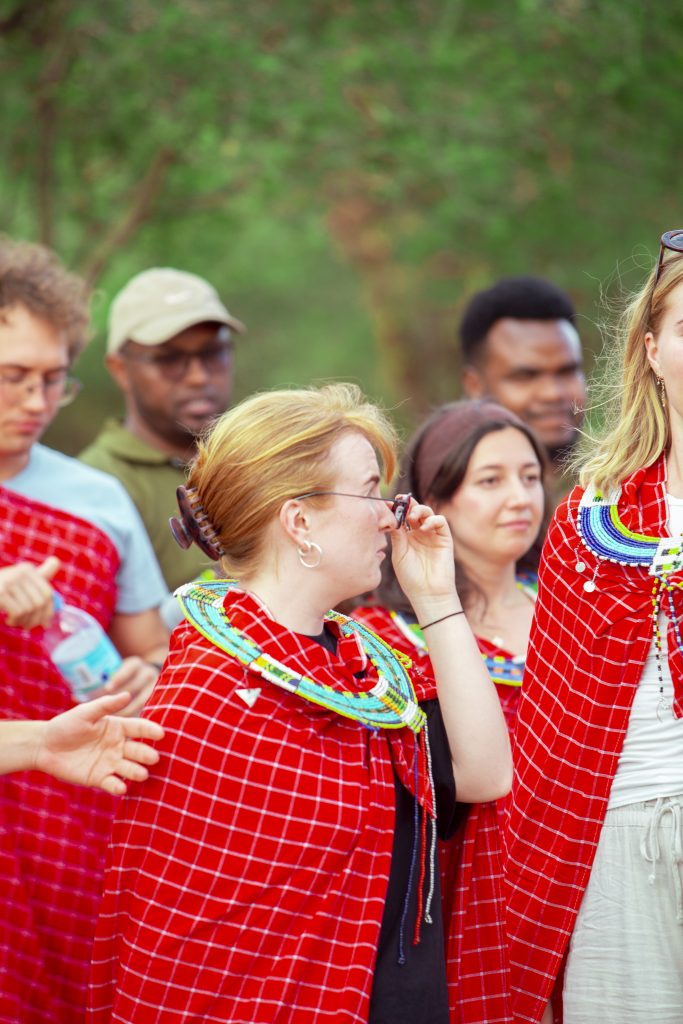
A well-organized visit can introduce travelers to aspects of Maasai life, including livestock keeping, traditional homes, crafts, music and community traditions.
In areas such as Enduimet Wildlife Management Area, cultural experiences can include learning about Maasai ways of life, traditional songs, livestock activities, storytelling and local food.
But there is an important distinction between a meaningful cultural visit and a staged tourist performance.
A good experience should give you an opportunity to interact respectfully with community members and learn from them.
Ask questions.
Listen.
Don't assume that one village represents every Maasai community.
2. Meet the Hadzabe Around Lake Eyasi
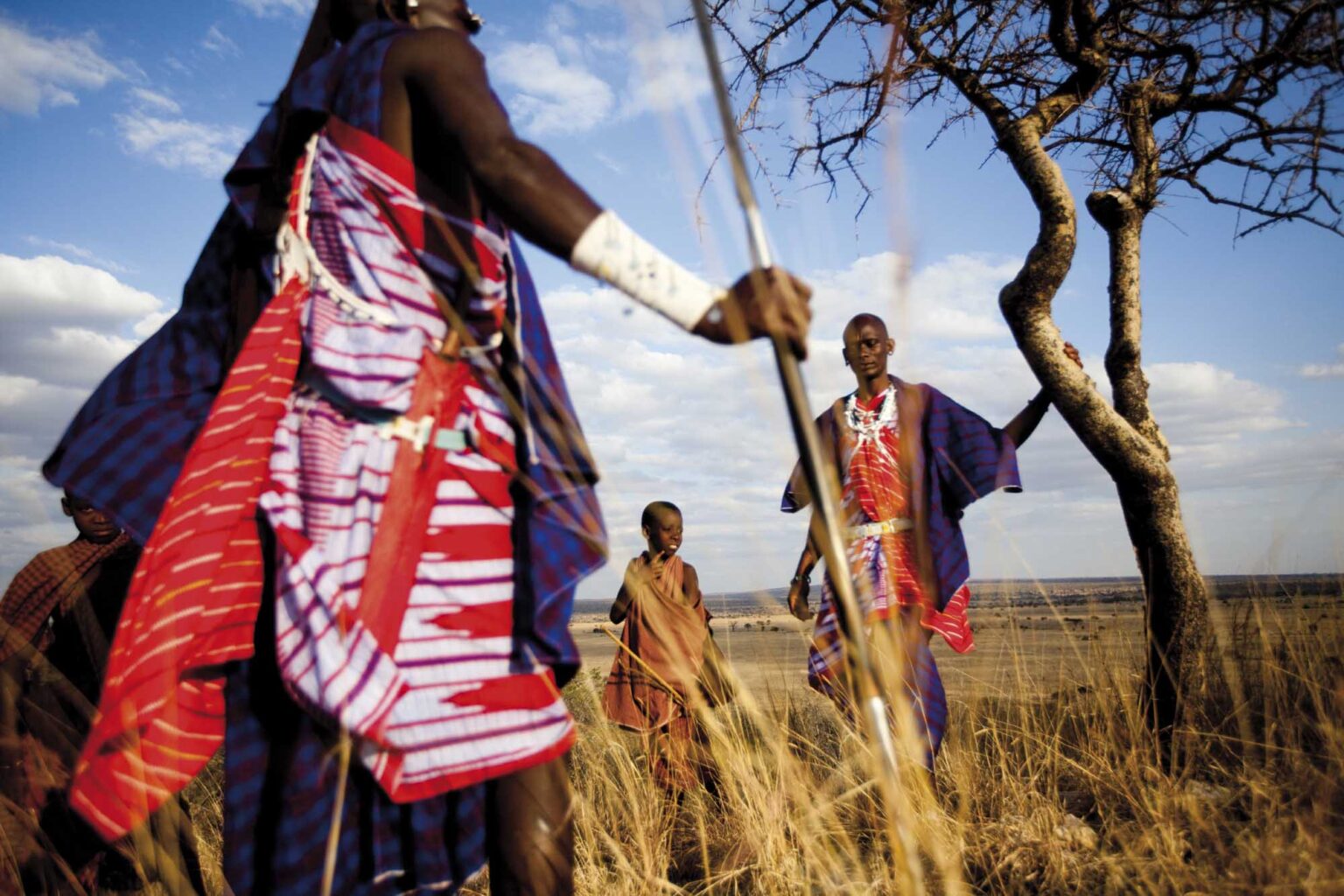
For travelers interested in indigenous cultures, the Lake Eyasi area offers a very different experience.
The Hadzabe have traditionally lived as hunter-gatherers in the Lake Eyasi region, while the wider area is also home to communities including the Datoga and Mbulu.
A visit can introduce travelers to traditional knowledge connected with:
- Hunting
- Gathering
- Local plants
- Food
- Tools
- Community life
- The surrounding environment
This should be approached with humility.
You are visiting people's homes and communities, not entering a theme park.
Follow your local guide's instructions, ask permission before taking photographs and avoid treating people's daily lives as entertainment.
3. Learn About the Datoga
The Datoga are another important community around Lake Eyasi.
They have traditionally been associated with pastoralism and metalworking.
A cultural visit can provide insight into traditional livelihoods, crafts and relationships with livestock.
One of the interesting aspects of visiting the Lake Eyasi area is that travelers can experience more than one cultural tradition in the same region.
The tourism authority identifies the Hadzabe, Datoga and Mbulu among the communities associated with the Lake Eyasi area.
4. Experience a Tanzanian Coffee Farm
If you love coffee, don't miss this.
Around the slopes of Mount Meru and Mount Kilimanjaro, cultural tourism experiences can introduce visitors to coffee farming and the process of turning coffee cherries into a finished drink.
Depending on the experience, you may learn about:
1 Growing coffee
2 Harvesting
3 Processing
4 Drying
5 Roasting
6 Grinding
7Brewing
The tourism authority specifically highlights coffee experiences in northern Tanzania where visitors can participate in parts of the process before tasting the finished coffee.
It is one of the simplest ways to connect agriculture, landscape, food and local livelihoods.
5. Explore the Villages Around Mount Meru
The Mount Meru area around Arusha offers opportunities to experience rural life without traveling deep into the safari circuit.
Village walks can reveal a side of Tanzania that visitors often miss when they stay entirely in lodges and hotels.
You may see:
The experience is particularly interesting because Mount Meru's slopes support agriculture and communities close to Arusha.
6. Experience Chagga Culture Around Mount Kilimanjaro
The communities around Mount Kilimanjaro offer another excellent cultural experience.
Chagga cultural experiences can introduce visitors to agriculture, coffee, bananas, local food and the history of communities living on the mountain's slopes.
For travelers climbing Kilimanjaro, adding a experience before or after the trek can provide context for the landscape they have just explored.
You may discover that the mountain is not simply a trekking destination.
It is also part of people's homes, farms, history and identity.
7. Explore Iraqw Culture Near Karatu
Karatu is an excellent area for combining safari with cultural tourism.
The Iraqw are one of the major ethnic communities in the Karatu and Mbulu areas.
Local cultural tourism programs can include village walks, agricultural experiences, historical sites and visits to coffee plantations.
Some walking experiences can also be extended toward the Lake Eyasi area to include Hadzabe and Datoga communities.
This makes Karatu particularly useful for travelers who want to combine:
without making a major detour.
8. Learn Traditional Tanzanian Cooking
Food is one of the easiest ways to understand a culture.
A cooking experience can introduce you to ingredients and dishes that you might otherwise only encounter on a restaurant menu.
Depending on the community and program, you may learn how to prepare foods such as:
Tanzania's cultural tourism programs highlight local cuisine and cooking experiences as part of cultural travel.
Don't just eat the food.
Ask where the ingredients come from.
Ask how the recipe has been passed down.
Ask when the dish is traditionally prepared.
That turns a meal into a cultural experience.
9. Visit a Local Market for Cultural Insight
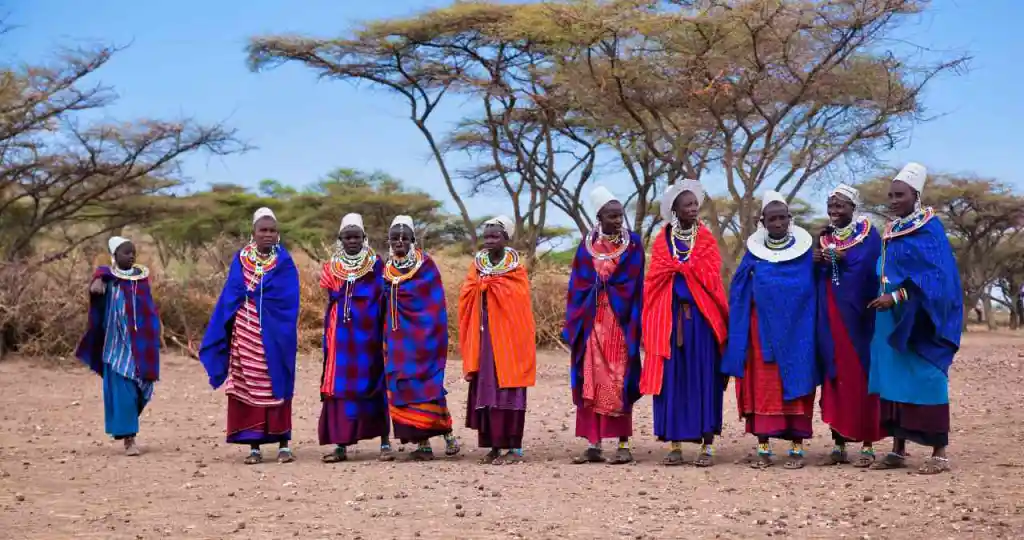
Markets provide a completely different perspective from safari lodges.
You can see how local people shop, trade, eat and socialize.
Depending on the location, you may find:
Markets are also excellent places to practice a few Swahili words.
Even a simple:
Jambo.
Habari?
Asante.
can create a warmer interaction.
10. Experience Traditional Music and Dance
Music is deeply connected to Tanzanian culture.
Different communities have their own styles of singing, drumming and dancing.
Some cultural programs include performances or opportunities to participate.
Tanzania's tourism information highlights traditional music and dance among the country's cultural experiences.
If you are invited to participate, don't worry about being perfect.
Join in.
Smile.
Enjoy yourself.
The experience is about connection rather than performance quality.
11. Learn Traditional Crafts and Cultural Skills
Crafts can tell stories about a community.
Depending on where you travel, you may encounter:
Tanzania's tourism information identifies crafts such as Maasai beadwork, baskets, carvings, batiks and paintings among items travelers can encounter.
If you purchase crafts directly from local makers, your money can contribute more directly to the people producing them.
12. Explore Stone Town and Swahili Culture
Cultural experiences in Tanzania are not limited to mainland communities.
Zanzibar provides an entirely different cultural dimension.
Stone Town reflects centuries of Indian Ocean trade and the development of Swahili culture.
You can explore:
Zanzibar's tourism information describes Stone Town as the historic centre of Zanzibar and a World Heritage Site, while also highlighting its Swahili, Arab, African and Indian Ocean history.
For a safari-and-beach holiday, Stone Town can be an excellent cultural counterpoint to the wildlife experience.
13. Take a Zanzibar Spice Tour
Zanzibar is famous for its relationship with spices.
A spice tour can introduce travelers to plants such as:
- Cloves
- Cinnamon
- Vanilla
- Nutmeg
- Other tropical spices
You can see how spices are cultivated and learn how they have influenced Zanzibar's history and economy.
The tourism authority specifically highlights working plantations and spice tours as cultural experiences on Zanzibar.
14. Learn About Traditional Fishing
Along Tanzania's coast and islands, fishing has long been an important part of local life.
Depending on the location and experience, travelers may learn about:
- Traditional boats
- Fishing techniques
- Coastal food
- Marine environments
- Local livelihoods
A dhow experience in Zanzibar can combine traditional maritime culture with the beauty of the Indian Ocean.
15. Try Tanzanian Food as a Cultural Experience
Don't spend your entire trip eating international hotel food.
Try local dishes.
Some foods worth looking for include:
Pilau — spiced rice often prepared with meat or other ingredients.
Ugali — a staple made from maize flour and served with various dishes.
Chapati — a flatbread commonly enjoyed with different meals.
Nyama choma — grilled meat.
Matoke — banana-based dishes associated with several East African cuisines.
Makande — a dish combining maize and beans.
Fresh tropical fruit — including mangoes, pineapples, bananas and other seasonal produce.
Food is often one of the easiest cultural bridges between visitors and local communities.
16. Visit Historical and Cultural Sites
Tanzania's culture is not only about contemporary communities.
The country also has a deep archaeological and historical heritage.
Depending on your itinerary, you can explore:
- Olduvai Gorge
- Historic towns
- Archaeological sites
- Colonial-era locations
- Cultural museums
- Traditional settlements
- Former trading centres
Around Ngorongoro, cultural and archaeological experiences can be combined with safari.
In southern Tanzania, Iringa offers another interesting combination of wildlife, heritage and culture.
Current Tanzania tourism programming highlights Iringa's cultural and historical sites, including Isimila Stone Age Site and heritage locations around Iringa.
17. Visit Olduvai Gorge
For travelers interested in human history, Olduvai Gorge is particularly fascinating.
The site is associated with major discoveries relating to human evolution and is often included in Northern Tanzania itineraries.
It provides an opportunity to think about Tanzania from a completely different perspective.
You are no longer simply looking at wildlife.
You are exploring part of the much longer story of humanity.
18. Experience a Maasai Boma Responsibly
A visit to a Maasai boma can be memorable, but the quality of the experience depends heavily on how it is organized.
Before visiting, ask:
- Is this community-led?
- Who receives the tourism revenue?
- Will we be able to interact naturally with residents?
- Are photographs allowed?
- Are there any cultural rules visitors should know?
- Is the experience respectful of residents?
The objective should be learning and interaction—not turning people's homes into a photographic display.
19. Spend More Time With Local Cultural Guides
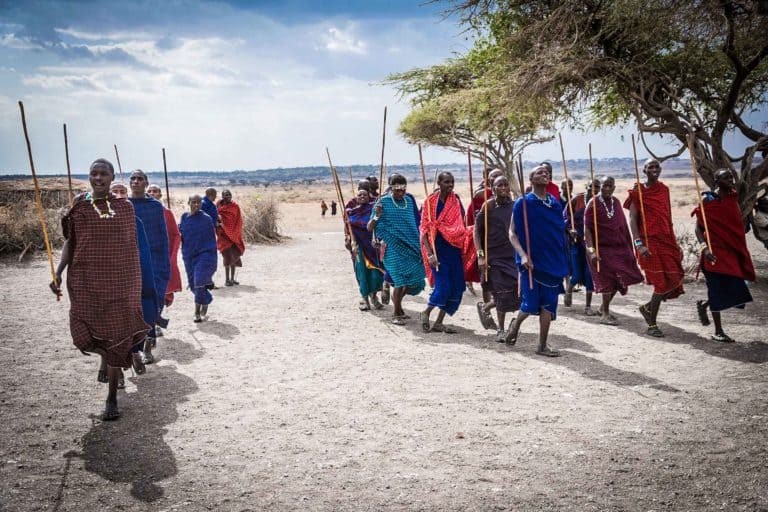
A local guide can completely change a cultural experience.
They can explain:
Tanzania's cultural tourism model emphasizes local guides and community participation.
Instead of asking only:
"What is this?"
ask:
"Why is it important?"
That usually leads to much better conversations.
20. Learn a Few Swahili Words
You don't need to become fluent.
Just learn a few phrases.
Even imperfect Swahili can make interactions warmer.
And people will often appreciate the effort.
21. Cultural Experiences Can Be Half a Day or Several Days
You don't need to dedicate your entire holiday to cultural tourism.
A cultural experience can fit naturally into a safari itinerary.
For example:
- Morning
Ngorongoro Crater game drive
- Afternoon
Local cultural experience
Or:
- Morning
Coffee farm
- Afternoon
Village walk
Or you can spend several days exploring a community and its surrounding landscape.
Tanzania's tourism information notes that cultural tours can range from half-day excursions to longer stays of several days.
22. Combine Safari With Culture
One of the strongest Tanzania itineraries is not simply:
Instead, consider:
For example:
This creates much greater variety.
You see animals.
You learn about communities.
You experience different landscapes.
Then you finish beside the Indian Ocean.
23. Cultural Tourism Is Not Just for Adventure Travelers
experiences work for almost every type of traveler.
Couples
Enjoy private village walks, cooking experiences and local food.
Honeymooners
Combine safari, culture and Zanzibar.
Families
Children can learn about agriculture, food, crafts and daily life.
Solo travelers
Cultural experiences provide opportunities to interact with local communities.
Photographers
Culture provides subjects completely different from wildlife.
First-time Africa travelers
Cultural experiences can help explain the relationship between people, land and wildlife.
24. Ask Permission Before Taking Photographs
This is one of the most important rules.
Never assume that because someone is in a tourist destination you automatically have permission to photograph them.
Ask.
A simple:
"Naweza kupiga picha?"
means:
"Can I take a photograph?"
If they say no, respect the answer.
The same principle applies to children.
25. Respect Cultural Differences
You may encounter traditions that are unfamiliar to you.
Don't immediately judge them through the lens of your own culture.
Instead, ask questions.
Try to understand why something is done.
A cultural experience is successful when you leave with greater understanding, not simply a collection of photographs.
26. Buy From Local Artisans
If you want souvenirs, consider purchasing directly from local artisans or community-based projects.
You might find:
Tanzania's tourism information specifically highlights locally made crafts and souvenirs as part of the country's cultural tourism experience.
Don't bargain aggressively over a small handmade item.
The difference between a price that is slightly higher and slightly lower may mean much more to the person who made it than it does to you.
27. Choose Community-Based Cultural Experiences Carefully
Not every cultural experience is equally responsible.
Before booking, ask:
- Who owns the experience?
- Who employs the guides?
- Where does the money go?
- Are local residents involved in decision-making?
- Is the experience respectful?
Community involvement should be more than simply using the word "community" in a brochure.
28. Don't Expect Every Cultural Experience to Look "Traditional"
Tanzania is a modern country.
People use smartphones.
Children attend schools.
Families use motorcycles and cars.
People work in businesses, offices and farms.
A cultural experience does not become less authentic because you see modern life.
In fact, understanding how tradition and modern life exist together is part of understanding contemporary Tanzania.
29. Go Beyond the Maasai
The Maasai are famous internationally, but Tanzania's cultural diversity extends far beyond them.
Depending on your route, you can encounter different communities and traditions, including:
Tanzania's tourism authorities emphasize the country's broad ethnic and cultural diversity.
Don't reduce Tanzania's culture to one community.
30. The Best Cultural Experience Is the One You Participate In
There is a major difference between watching culture and participating respectfully in it.
Instead of simply watching someone prepare food, ask whether you can help.
Instead of photographing a craft, ask how it is made.
Instead of watching a dance from a distance, participate if you are invited.
Instead of simply visiting a village, talk to people.
Instead of buying coffee, learn how it is grown.
Participation creates memories.
Best Cultural Experiences by Tanzania Destination
| Destination | Cultural Experience |
|---|---|
| Arusha / Mount Meru | Coffee farms, village walks, Meru culture |
| Mount Kilimanjaro | Chagga culture, coffee, villages, waterfalls |
| Karatu | Iraqw culture, farms, village walks |
| Lake Eyasi | Hadzabe and Datoga cultural experiences |
| Ngorongoro | Maasai communities, cultural visits, Olduvai area |
| Enduimet | Maasai culture and community experiences |
| Zanzibar | Swahili culture, Stone Town, spices, dhow traditions |
| Iringa | Heritage, archaeology, local communities |
| Southern Tanzania | Community and cultural experiences around safari destinations |
Best Cultural Experiences for First-Time Visitors
If this is your first trip to Tanzania, you don't need to experience everything.
Choose two or three.
A strong combination could be:
1Coffee Experience Near Arusha
Learn how Tanzanian coffee is grown, processed and prepared.
2Maasai Cultural Experience
Learn about pastoralist traditions and contemporary Maasai life.
3Lake Eyasi Cultural Experience
Experience a very different cultural environment by meeting Hadzabe and Datoga communities.
4Stone Town
Explore the history and culture of the Swahili Coast.
Together, these experiences show four very different sides of Tanzania.
A 10-Day Safari and Cultural Itinerary
A well-balanced trip could look like this:
- Day 1
Arusha
Arrival and relaxation.
- Day 2
Tarangire
Full-day safari.
- Day 3
Ngorongoro
Transfer toward the highlands with an optional cultural experience.
- Day 4
Ngorongoro Crater
Game drive.
- Day 5
Lake Eyasi
Visit local communities and experience a different side of Tanzania.
- Day 6
Serengeti
Travel into the Serengeti.
- Day 7
Serengeti
Full-day game drive.
- Day 8
Serengeti
Another wildlife day.
- Day 9
Zanzibar
Fly to Zanzibar.
- Day 10
Stone Town and spice experience
Explore Swahili culture before continuing your beach holiday.
The exact itinerary should be adapted to your travel dates, interests and preferred pace.
Cultural Experience vs Safari Game Drive
You don't have to choose one.
They answer different questions.
A game drive answers:
«What wildlife lives here?»
A cultural experience answers:
«Who lives here, and how do people interact with this landscape?»
Together, they tell a much bigger story about Tanzania.
Is Cultural Tourism Worth Adding to a Tanzania Safari?
Absolutely.
If you have never visited Tanzania before, it can transform your understanding of the country.
You may arrive thinking Tanzania is mainly about lions, elephants and the Serengeti.
You leave understanding that Tanzania is also about:
The wildlife may bring you to Tanzania.
But the people and culture can become part of what makes you want to return.
Final Thoughts on Cultural Tourism
The best Tanzania safari is not necessarily the one with the greatest number of game drives.
Sometimes the most memorable day is the one when you leave the vehicle.
You walk through a village.
You meet a local guide.
You learn how coffee is grown.
You share a meal.
You hear a story.
You learn a few Swahili words.
You discover how a community has adapted to its environment.
Then you return to the safari and see the landscape differently.
You begin to understand that Tanzania is not simply a destination filled with wildlife.
It is a country where people, culture, history and nature are deeply connected.
If you have the opportunity, add at least one meaningful cultural experience to your Tanzania safari.
You may discover that it becomes one of the memories you talk about long after you have forgotten the name of the lodge.
Cultural Tourism FAQs
What are the best cultural experiences in Tanzania?
Popular options include Maasai community visits, Hadzabe and Datoga experiences around Lake Eyasi, coffee tours near Arusha and Kilimanjaro, Iraqw experiences around Karatu, Swahili culture in Zanzibar and historical experiences around Iringa.
Can I visit a Maasai village in Tanzania?
Yes. Maasai cultural experiences are available in several areas, including communities participating in tourism programs around northern Tanzania.
Can I visit the Hadzabe?
Yes. The Lake Eyasi region is one of the main areas associated with Hadzabe cultural experiences.
What can I do at Lake Eyasi?
Depending on the local program, you can learn about Hadzabe and Datoga culture, traditional livelihoods and the surrounding environment.
Is cultural tourism suitable for children?
Yes. Village walks, cooking, farming and craft experiences can be particularly educational for families.
Is cultural tourism expensive?
It varies. Some experiences are short excursions, while private or multi-day experiences cost more. Ask what is included and how the fees benefit the participating community.
How long should a cultural experience take?
It can be anything from a few hours to several days. Tanzania's tourism authorities specifically describe cultural tourism programs ranging from half-day excursions to longer stays.
Should I tip local cultural guides?
Ask your safari company or local guide about appropriate tipping practices. If someone provides a professional service, a reasonable tip can be a meaningful recognition of their work.
Can I take photographs during cultural visits?
Usually, but always ask permission first. Respect anyone who does not want to be photographed.
What is the best cultural experience for a first-time visitor?
There is no single answer. For a Northern Tanzania safari, a combination of a coffee experience, Maasai community visit and Lake Eyasi cultural experience can provide a broad introduction to Tanzania's cultural diversity.
Can I combine cultural experiences with a safari?
Yes, and this is one of the best ways to experience Tanzania. A safari can be combined with cultural activities around Arusha, Karatu, Ngorongoro, Lake Eyasi, Kilimanjaro or other destinations.
What is the most important rule when experiencing Tanzanian culture?
Be respectful and curious.
You are not visiting a museum.
You are meeting real people whose homes, traditions and daily lives continue long after your safari ends.
Go Explore
Your Perfect Day Trip Awaits
With these diverse and enriching day trips from Arusha and Moshi, you can experience the best of Northern Tanzania in just one day. Whether you're hiking to waterfalls, soaking in hot springs, or exploring Maasai culture, our trips provide unforgettable memories and stunning landscapes just a short journey away.

Chemka Hot Springs
View Tour →
Materuni Waterfalls
View Tour →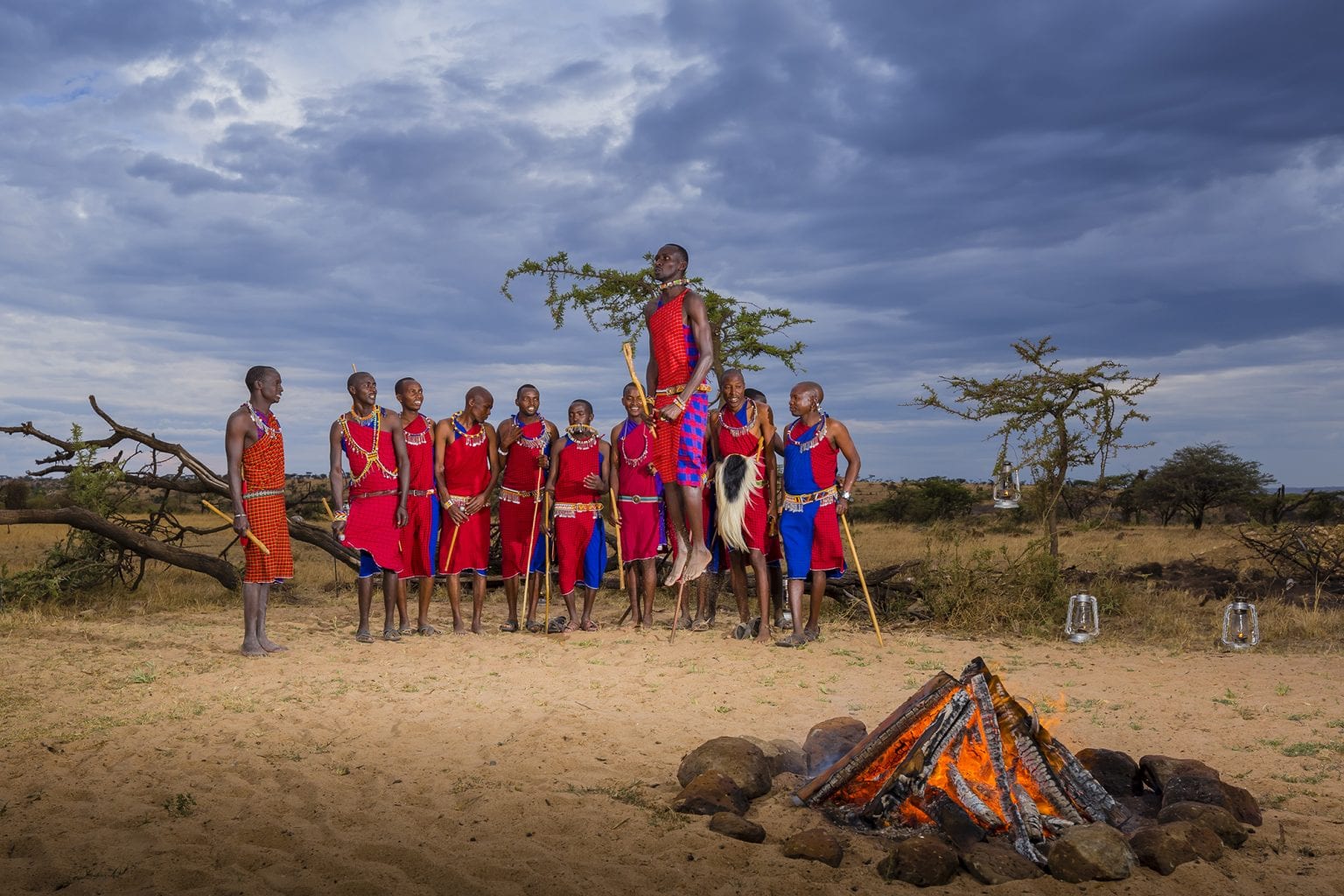
Olpopongi Maasai Village
View Tour →
Meserani Snake Park Tour
View Tour →
Lake Chala
View Tour →
Serval Wildlife Day Trip
View Tour →
Marangu 1 Day Hike Tour
View Tour →Talk to Our Safari Experts
Have a question or ready to start planning? Reach our local team in Arusha the way that suits you best.