
Take a Zanzibar Spice Farm Tour
Smell cinnamon bark, taste tropical fruit and see where cloves and vanilla grow on a hands-on spice farm tour of the Spice Island.
A Zanzibar spice farm tour is one of the best ways to experience the island beyond its beaches. Often called the “Spice Island”, Zanzibar has a long history of growing and trading cloves, cinnamon, nutmeg and other tropical spices. A farm visit lets you walk through plantations, smell and taste fresh spices and tropical fruits, and understand how agriculture has shaped Zanzibar’s culture and economy.
In short, a spice farm tour is a hands-on look at the Spice Island. First, you walk through plantations. Then you smell and taste fresh spices and tropical fruit. Also, your guide explains how each plant grows.
Because Zanzibar has a long history of growing cloves, cinnamon and nutmeg, there is a lot to learn. After that, you can combine the spice farm tour with other experiences. Also, you can read about shopping and bringing spices home. Finally, we can arrange your spice farm tour.
See what past travelers say about us on SafariBookings, TripAdvisor and Google reviews, or read our customer reviews page. To plan your trip, see our Zanzibar, cultural experiences and safari packages.
What Is a Spice Farm Tour?
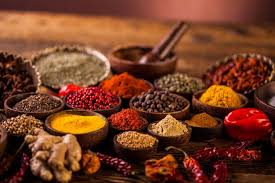
A Zanzibar spice farm tour is a guided visit to a working or demonstration farm where you learn about the island’s tropical plants, spices, fruits and traditional agricultural practices. Rather than simply looking at plants, your guide explains how they grow and how they are used. Depending on the farm and season you may encounter:
- Cloves, cinnamon, nutmeg, vanilla, black pepper and cardamom
- Lemongrass, turmeric, ginger and ylang-ylang
- Coconuts, bananas, pineapples, jackfruit, papaya and mangoes
Why “Spice Island”?
Zanzibar became famous for its spice production and trade, particularly cloves. Its Indian Ocean location made it part of maritime trading networks connecting East Africa with Arabia, India and beyond. Cloves became especially important to the economy in the nineteenth century, and the spice industry remains part of Zanzibar’s cultural identity today.
What You Will See & Taste on a Spice Farm Tour
A typical tour is more interactive than many travelers expect: your guide takes you from plant to plant and may ask you to identify the spice before explaining its uses.
- Cloves: the dried flower buds; see what the tree looks like and how it differs from the spice in shops.
- Cinnamon: comes from the bark of the tree; smell it freshly prepared.
- Nutmeg: comes from the seed of the nutmeg fruit; see the whole fruit and how the spice is processed.
- Vanilla: see the plant and learn how vanilla is produced.
- Black pepper: see the plant and how the berries are harvested and processed.
- Turmeric and ginger: roots used in cooking, drinks and traditional practices.
Tropical Fruits
Depending on the season you may meet coconut, pineapple, banana, mango, papaya, jackfruit, breadfruit, passion fruit and star fruit. Your guide may cut some for you to taste, and fruit eaten directly on a farm can taste very different from supermarket fruit.
Can You Taste the Spices?
Yes. Smelling and tasting are important parts of many tours: fresh leaves, bark, roots or seeds, and sometimes tea or other refreshments made with locally grown ingredients. It is most interesting when the guide connects the plant to something you already use at home (tree → bark → cinnamon; flower bud → clove; seed → nutmeg).
Spice Farm Tour Duration, Location & Best Time
A guided spice farm experience takes a few hours, depending on the farm and what is included. Because it does not need a whole day, it is easy to combine with another attraction, such as a spice farm in the morning and Jozani Forest in the afternoon, or Stone Town in the morning and the spice farm in the afternoon.
Where Are the Farms?
Spice farms are found in several areas of Unguja. Many tours operate from around Kizimbani, Kindichi, Dole and central Zanzibar; the farm depends on the tour operator. Travelers in Stone Town can usually reach farms easily, and beach-resort guests can arrange transport as part of an excursion.
Best Time
A farm can be visited all year, but what you see varies with the agricultural season: some plants may be flowering, fruiting or ready for harvest at different times. Ask what is currently in season. A morning visit is often the most comfortable, with cooler temperatures and room to combine another activity later.
| Time | Plan |
|---|---|
| 8:30 AM | Depart hotel |
| 9:30 AM | Spice farm |
| 12:00 PM | Lunch |
| 2:00 PM | Jozani Forest |
| Late afternoon | Return to hotel |
Exact times depend on your hotel and the farm.
Spice Farm Tour for Families, Couples & What to Wear
Families: an excellent family activity because children can touch, smell and taste natural products. They may enjoy tropical fruit tasting, identifying spices, smelling cinnamon and cloves, seeing coconut palms and watching local farmers’ demonstrations. Follow the farm’s instructions on which plants and products are safe to touch or taste.
Couples: a relaxed cultural experience that fits a honeymoon or romantic holiday, and a break from the beach. It combines well with Stone Town, Jozani Forest, a beach resort, sunsets, Mnemba snorkeling or a private dinner.
What to Wear and Bring
- Comfortable walking shoes (paths can be uneven or muddy after rain)
- Lightweight trousers or shorts and a T-shirt or light shirt
- Hat, sunglasses, sunscreen and insect repellent
- Drinking water, and a camera or phone
Spice Farm Tour Guides, Shopping & Bringing Spices Home
A guide is highly recommended. Without one, a spice farm can look like an ordinary tropical plantation; with one, you learn what each plant is, how it grows, when it is harvested, how it is processed and used, its importance to local communities, traditional uses and Zanzibar’s agricultural history.
What Can You Buy?
Many farms or nearby shops sell whole cloves, cinnamon, nutmeg, vanilla, black pepper, turmeric, spice mixes, tea, dried fruits, essential oils and handmade products. Buying directly from local producers is a nice way to take part of the experience home. Ask about the product, how it was produced and how to store it.
Bringing Spices Home
Travelers can usually buy packaged spices for personal use, but import rules vary by country. Check the agricultural and customs regulations of your home country before packing fresh plants, seeds, fruits or agricultural products. Packaged commercial spices are generally easier to travel with.
Combine a Spice Farm Tour With Other Experiences
- Stone Town: Stone Town walking tour in the morning, local Zanzibari lunch, spice farm in the afternoon, then return to Stone Town or your beach hotel.
- Jozani Forest: spice farm for agriculture, food and culture; Jozani for forest, wildlife and conservation. A full-day excursion gives a much broader understanding of Zanzibar.
- Mnemba: Day 1 Stone Town, Day 2 spice farm and Jozani, Day 3 Mnemba snorkeling, Day 4 beach relaxation.
After a Tanzania Safari
| Day | Plan |
|---|---|
| Days 1–4 | Tanzania safari |
| Day 5 | Fly to Zanzibar |
| Day 6 | Stone Town and spice farm |
| Day 7 | Jozani Forest and beach |
| Day 8 | Mnemba snorkeling |
| Day 9 | Beach relaxation |
| Day 10 | Departure |
This creates a well-balanced Tanzania holiday rather than a trip focused only on game drives.
Spice Farm Tour Mistakes & Responsible Visiting
Common Mistakes to Avoid
- Treating it like a normal farm visit: the value is in the stories and demonstrations, so ask questions.
- Wearing uncomfortable shoes: you may walk plantation paths.
- Expecting every spice to be in season: plants have different growing and harvesting cycles.
- Booking only on price: a knowledgeable guide and well-organized experience make a major difference.
- Forgetting sun protection: even beneath vegetation, Zanzibar can be hot.
- Buying without asking questions: learn what you are buying and how to use or store it.
Responsible Spice Tourism
A good experience should benefit local people and encourage appreciation of Zanzibar’s agricultural heritage. Support local farms, buy genuine local products, respect farm workers, avoid unnecessary damage to plants, follow the guide’s instructions, leave no rubbish, ask before photographing people and learn about local farming traditions.
Sample Spice Farm Tour Itineraries
Half-Day Spice Farm Experience
| Step | What happens |
|---|---|
| Pick-up | Hotel pick-up and drive to a spice farm |
| Farm walk | Guided walk through cloves, cinnamon, vanilla, nutmeg, black pepper, turmeric and other plants |
| Fruit tasting | Taste seasonal tropical fruits and learn how they grow |
| Demonstration | See how selected spices are harvested or processed |
| Refreshment | Tea or another local drink where included |
| Return | Back to your hotel or on to another attraction |
Full-Day Spice & Nature Experience
| Time | Activity |
|---|---|
| Morning | Spice farm: explore the plantation and Zanzibar’s spice-growing traditions |
| Midday | Local lunch |
| Afternoon | Jozani Forest walk, looking for red colobus monkeys |
| Evening | Return to your accommodation and relax at the beach |
A full day of experiences without spending the entire day on a boat.
Spice Farm Tour FAQs
What is Zanzibar famous for in terms of spices?
How long is a spice farm tour?
Can children visit a spice farm?
Can I buy spices during the tour?
What should I bring?
Is it worth doing if I am staying at the beach?
Can I combine a spice farm with Jozani Forest or Stone Town?
What spices can I expect to see?
Is it suitable for couples?
Ready for a Spice Farm Tour?
Let us add a spice farm visit to your Zanzibar holiday.