
Amboseli National Park
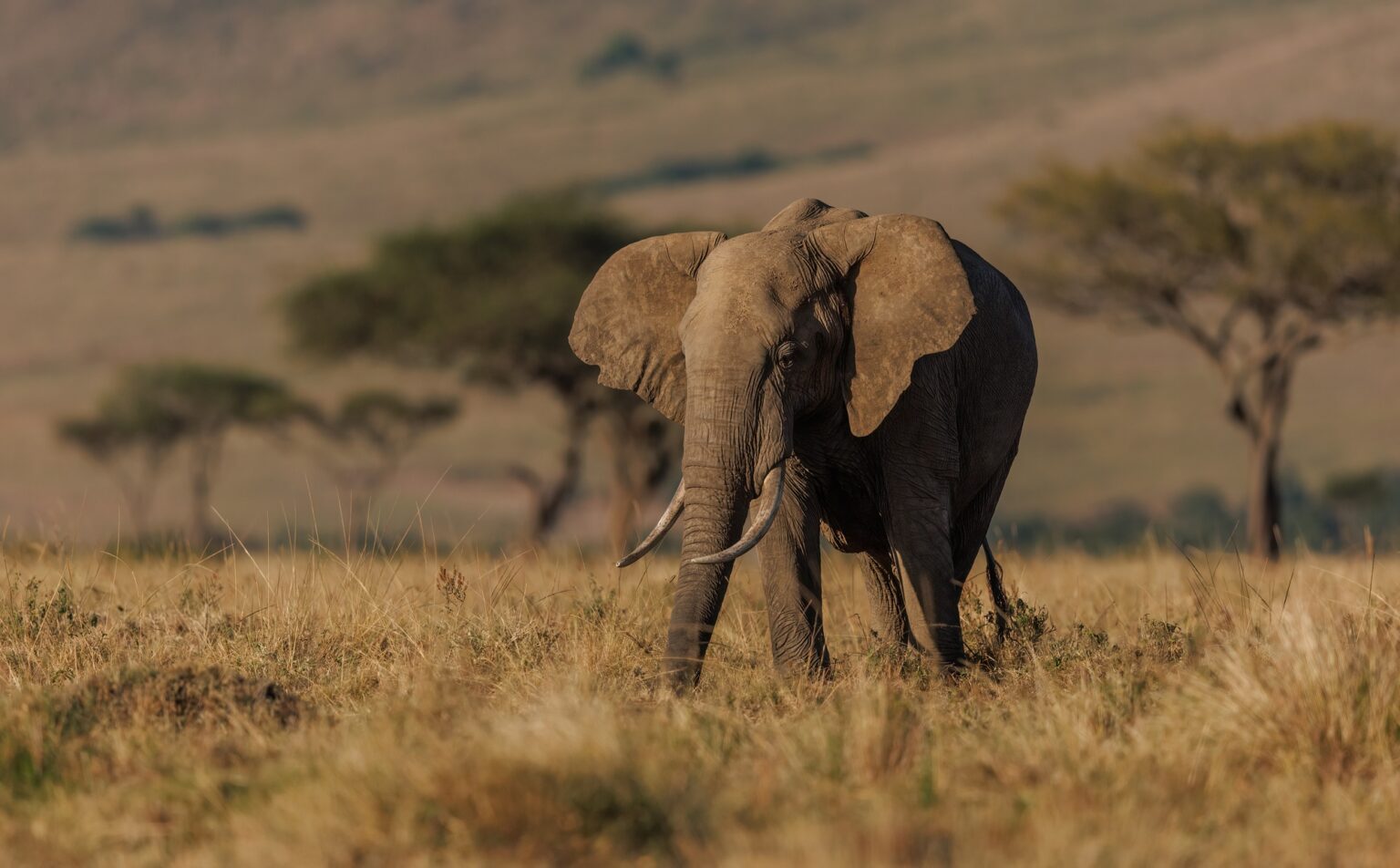
Amboseli is where elephants cross open plains with Mount Kilimanjaro rising behind them, one of East Africa’s most iconic safari scenes.
Amboseli National Park is one of East Africa's most recognizable safari destinations, famous for its large elephant herds, open plains, wetlands and spectacular views of Mount Kilimanjaro.
Located in southern Kenya near the Tanzania border, Amboseli offers a unique combination of wildlife, dramatic scenery and Maasai culture. The park covers about 392 square kilometres and forms part of a much larger ecosystem that extends across the Kenya–Tanzania border.
For travelers planning an East African safari, the park is particularly attractive because few places combine close elephant encounters with such an iconic mountain backdrop.
In short, the park is famous for its elephants and for views of Mount Kilimanjaro. First, you drive across open plains and wetlands. Then you watch large elephant herds. Also, you can visit the park in any month.
Because the park is small, two to three days is a good stay. After that, many travelers continue to Tanzania. Also, Maasai culture is part of the visit. Finally, we can plan your the park safari.
See what past travelers say about us on SafariBookings, TripAdvisor and Google reviews, or read our customer reviews page. To plan your trip, see our safari packages, destinations and cultural experiences.
Where Is Amboseli National Park?
The park is in Kajiado County in southern Kenya, close to the Kenya–Tanzania border.
The park lies south of Nairobi and to the north of Mount Kilimanjaro. Its location makes it an interesting addition to a Kenya safari and, for some travelers, part of a wider Kenya–Tanzania itinerary.
One of its most famous visual features is the view of Mount Kilimanjaro rising above the surrounding plains. Although Kilimanjaro is in Tanzania, its northern slopes and summit can be dramatically visible from the the park landscape.
What Is Amboseli Famous For?
The park is best known for three things:
1 Large elephant herds
2 Mount Kilimanjaro views
3 Open savannah and wetland landscapes
Kenya Wildlife Service describes the park as the "Home of the African Elephant," highlighting the park's opportunities for close encounters with large elephant herds.
The park is also known for its birdlife, wetlands, Maasai cultural heritage and wide-open landscapes that are particularly attractive for wildlife photography.
The Elephants of Amboseli
Elephants are the stars of the park.
The park and surrounding ecosystem support large numbers of African elephants, and the animals are one of the main reasons travelers visit.
The park's elephants have also become important to scientific research and conservation. The ecosystem was famously associated with elephants such as Echo, whose life was extensively documented.
Seeing elephants walking across open plains with Mount Kilimanjaro in the background is one of the classic safari scenes of East Africa.
Mount Kilimanjaro From Amboseli
One of the biggest attractions of the park is the possibility of seeing Mount Kilimanjaro from the Kenyan side.
At 5,895 metres, Kilimanjaro is Africa's highest mountain. The mountain rises dramatically above the surrounding plains and is protected within Kilimanjaro National Park in Tanzania.
The combination of elephants in the foreground and Kilimanjaro in the background makes the park particularly popular with photographers.
However, mountain visibility depends on weather and atmospheric conditions. A clear view should never be treated as guaranteed.
Amboseli's Landscapes
The park is not simply dry savannah.
The park contains several different habitats, including:
- Open grass plains
- Acacia woodland
- Thorn bushland
- Wetlands
- Marshes
- The the park basin
- Seasonal and permanent water sources
These contrasting habitats support a wide variety of wildlife and birds.
The wetlands are particularly important because groundwater and springs help maintain water in an otherwise relatively dry environment.
Wildlife in Amboseli
Although elephants are the main attraction, the park supports many other species.
Depending on the season and location, visitors may encounter:
Wildlife sightings are never guaranteed, and the experience changes according to season, water availability and animal movements.
Lions and Other Predators
The park is not primarily marketed as a predator destination in the same way some larger Kenyan safari areas are, but predators are part of the ecosystem.
Lions, cheetahs, leopards, spotted hyenas and jackals occur in the wider the park landscape.
If your primary goal is to maximize predator sightings, it can make sense to combine the park with another Kenyan destination or with a carefully designed East African itinerary.
Birdwatching in Amboseli
The park is also an excellent destination for bird enthusiasts.
Kenya Wildlife Service reports more than 400 bird species in the park, including numerous birds of prey.
Wetlands and open plains create different habitats for birdlife.
Depending on the season, visitors may see:
A pair of binoculars can make a significant difference for birdwatchers.
Amboseli Lake Basin
The the park basin is one of the defining features of the park.
Much of the basin consists of a former lake environment, with saline and alkaline soils and wetlands supported by underground water systems.
During dry periods, the landscape can appear extremely dusty and dry.
In wetter areas, however, green vegetation and water create a striking contrast with the surrounding plains.
This changing landscape is part of what makes the park visually distinctive.
Observation Hill
Observation Hill is one of the notable viewpoints in the park.
From the elevated viewpoint, travelers can appreciate the scale of the park and surrounding ecosystem.
It provides opportunities to see the wetlands, plains and distant mountains from above and is particularly useful for understanding how the different habitats fit together.
Maasai Culture Around Amboseli
Wildlife is only one part of the the park experience.
The wider ecosystem is home to Maasai communities whose pastoral traditions have been connected to this landscape for generations.
Cultural experiences can provide opportunities to learn about:
- Traditional livestock keeping
- Maasai homes
- Clothing
- Music
- Dance
- Crafts
- Community life
- The relationship between people and wildlife
Cultural visits should be approached respectfully and should benefit local communities rather than treating culture simply as entertainment.
The relationship between communities, livestock and wildlife is an important part of the the park ecosystem.
When Is the Best Time to Visit Amboseli?
The park can be visited throughout the year, but different seasons provide different experiences.
Dry Season
The dry periods are often attractive for wildlife viewing because animals concentrate around remaining water sources and vegetation becomes less dense.
The landscape can also be particularly dramatic during this period.
Wet Season
The rainy periods can transform the scenery.
The landscape becomes greener, migratory wildlife may move through the wider ecosystem and bird activity can be rewarding.
The downside is that cloud cover can sometimes make Mount Kilimanjaro less visible.
When Can You See Mount Kilimanjaro Clearly?
There is no guaranteed time of day or season when Kilimanjaro will always be visible.
Clouds can cover the mountain even when the surrounding park is experiencing good weather.
However, early mornings are often favored by photographers because atmospheric conditions can change as the day progresses.
If seeing Kilimanjaro is a major priority, plan several opportunities rather than relying on one particular viewpoint or one morning.
How Many Days Do You Need in Amboseli?
For most travelers, 2–3 days can provide a good introduction to the park.
Two-Day Amboseli Safari
- Day 1
Enter the park and afternoon game drive
- Day 2
Morning and afternoon game drives
Three-Day Amboseli Safari
- Day 1
Arrival and afternoon game drive
- Day 2
Full-day wildlife exploration
- Day 3
Morning game drive and departure
A longer stay gives you more flexibility for wildlife viewing and different weather conditions.
A Typical Day on Safari
A typical day might begin early in the morning.
You leave your accommodation before sunrise and begin a game drive while temperatures are cooler and wildlife can be active.
The morning can include time around wetlands, open plains or areas where elephants are feeding.
After returning for breakfast or spending time at the lodge, you can relax during the warmer part of the day.
An afternoon game drive can begin later, continuing into the evening according to the applicable park schedule.
The exact program depends on your accommodation, guide and itinerary.
Amboseli for Families
Amboseli can be an excellent destination for families.
Children are often fascinated by elephants, giraffes and zebras, while the open landscapes provide plenty of opportunities for wildlife education.
A family itinerary should avoid excessive driving and allow time for rest.
Parents can also turn game drives into educational experiences by encouraging children to identify animals, birds and tracks.
Amboseli for Photographers
Amboseli is particularly attractive for wildlife photography because of its combination of open landscapes and Mount Kilimanjaro.
Classic photographic opportunities include:
- Elephants beneath Kilimanjaro
- Giraffes against the mountain
- Zebras crossing open plains
- Birds around wetlands
- Sunrise over the savannah
- Silhouettes at sunset
- Large elephant families
A longer lens is useful for wildlife photography, while a wider lens can help capture the relationship between animals and the enormous landscape.
Is Amboseli Good for a Honeymoon?
Yes.
Amboseli can be an excellent destination for couples who want wildlife combined with dramatic scenery.
A honeymoon itinerary can combine:
Alternatively, travelers can create a larger East African journey that includes Kenya and Tanzania.
The combination of elephants, open landscapes and Mount Kilimanjaro can create a particularly memorable setting for couples.
Amboseli vs Serengeti
Both parks offer excellent wildlife experiences, but they are very different.
| Amboseli | Serengeti |
|---|---|
| Kenya | Tanzania |
| Famous for elephants | Famous for vast wildlife ecosystem |
| Iconic Kilimanjaro views | Endless savannah landscapes |
| Relatively compact park | Vast ecosystem |
| Strong Maasai cultural connection | Strong focus on wildlife and migration |
| Excellent photography | Excellent wildlife variety |
If you have enough time, visiting both can provide two very different perspectives on East African safari.
Amboseli vs Tanzania Safari
Amboseli can also complement a Tanzania safari.
Because the Amboseli ecosystem extends toward the Kenya–Tanzania border, the broader region is ecologically connected.
UNESCO notes ecological connections between Amboseli and areas around Kilimanjaro, while Kilimanjaro National Park itself is connected to Amboseli.
This makes a Kenya–Tanzania itinerary particularly interesting for travelers who want to experience several East African ecosystems.
Can You Combine Amboseli With Tanzania?
Yes, but the logistics need to be planned carefully.
A traveler could potentially combine:
or create a shorter combination depending on available time and border/flight arrangements.
Another option is to combine Amboseli with northern Tanzania destinations around Kilimanjaro and Arusha.
Because international border crossings, vehicle arrangements and entry requirements can affect the itinerary, these details should be confirmed before travel.
How to Get to Amboseli
Amboseli can be reached by road or air.
Kenya Wildlife Service lists road access through gates including Iremito, Kimana and Meshanani. The park also has air access through nearby airstrips used by light aircraft.
The most appropriate option depends on where your safari begins.
Travelers coming from Nairobi may choose a road itinerary, while fly-in safaris can reduce travel time.
Where to Stay in Amboseli
Accommodation ranges from camps to lodges and more comfortable safari properties.
When choosing accommodation, consider:
For families and couples, the accommodation can be an important part of the overall safari experience.
What Should You Pack?
Useful items include:
Dust can be significant during dry periods, so protecting cameras and other sensitive equipment is sensible.
Amboseli Park Rules and Safety
Amboseli is a wild environment and visitors must follow park regulations.
Kenya Wildlife Service advises visitors to remain in vehicles except in designated areas, stay on established roads and trails, avoid disturbing wildlife and maintain appropriate distances from animals. The park also has a maximum speed limit of 40 km/h.
Never attempt to approach an elephant or another wild animal for a photograph.
The guide's instructions should always take priority.
Responsible Tourism in Amboseli
A responsible visit should benefit both wildlife and local communities.
Travelers can contribute by:
- Respecting wildlife
- Staying on designated routes
- Avoiding litter
- Supporting responsible local businesses
- Asking permission before photographing people
- Respecting Maasai communities
- Avoiding single-use plastics where possible
- Following park regulations
Amboseli's future depends on maintaining the relationship between wildlife, communities and the wider ecosystem.
Is Amboseli Worth Visiting?
Absolutely.
Amboseli may not be the largest safari destination in East Africa, but its combination of elephants, wetlands, open plains, birdlife, culture and Mount Kilimanjaro views gives it a character of its own.
For photographers, elephant lovers and travelers looking for an iconic East African landscape, it can be one of the most rewarding safari destinations in Kenya.
Final Thoughts
Amboseli National Park offers a safari experience that is difficult to confuse with anywhere else.
You can watch elephants crossing open plains while Mount Kilimanjaro rises behind them. You can explore wetlands filled with birdlife, learn about the surrounding Maasai culture and experience a landscape shaped by the movement of water, wildlife and people.
Although Amboseli is in Kenya, its ecological relationship with the Kilimanjaro region makes it especially interesting for travelers planning a broader East African adventure.
For a Kenya safari, a Kenya–Tanzania combination or a trip focused on elephants and spectacular landscapes, Amboseli deserves a place on the itinerary.
Pair Amboseli with the 4-day Naivasha and Masai Mara safari or our 7-day Best of Kenya luxury safari, or see all destinations. See what past travelers say about us on SafariBookings, TripAdvisor and Google reviews, or read our customer reviews page.