
Coffee Experience in Tanzania
A coffee experience in Tanzania lets you walk a Kilimanjaro coffee farm, meet the farmers, roast your own beans and taste the cup you made — Tanzania from farm to cup.
A coffee experience in Tanzania takes you from the farm to the cup. Tanzania is famous for Kilimanjaro, Serengeti and Zanzibar, but there is another experience that allows travelers to slow down and discover the country from a completely different perspective: coffee tourism.
Instead of simply drinking a cup of Tanzanian coffee, you can visit a local coffee farm, walk among coffee plants, meet farmers, learn how coffee is cultivated and processed, roast your own beans and finally enjoy a freshly brewed cup.
For many travelers, the experience becomes much more memorable when combined with local food, village walks, waterfalls and the culture of the communities living on the slopes of Mount Kilimanjaro and Mount Meru.
Tanzania's cultural tourism programs specifically promote coffee experiences where visitors can learn and participate in the process of growing, picking, drying, roasting and brewing coffee.
Whether you are a serious coffee lover, a first-time visitor to Tanzania or a safari traveler looking for something beyond wildlife, a coffee tour can be an excellent addition to your itinerary.
In short, a coffee tour takes you from farm to cup. First, you visit a coffee farm near Moshi, Materuni or Karatu. Then you learn how the coffee is grown and made. Also, you taste Tanzanian coffee.
Because the tour lasts from two hours to a full day, it fits easily into a trip. After that, you can add Materuni Waterfall or a safari. Also, you can do it in any season. Finally, we can arrange it for you.
See what past travelers say about us on SafariBookings, TripAdvisor and Google reviews, or read our customer reviews page. To plan your trip, see our Zanzibar, cultural experiences and safari packages.
What Is a Coffee Experience in Tanzania?
A Tanzanian coffee experience is more than a visit to a coffee plantation.
It is an opportunity to understand the journey of coffee from the farm to your cup.
Depending on the location and experience you choose, you may:
Some experiences are short half-day activities, while others can be combined with hiking, waterfalls and cultural tours.
Why Choose a Coffee Experience in Tanzania?
Coffee tourism offers something different from the country's classic attractions.
A safari allows you to observe wildlife.
A mountain climb challenges you physically.
A beach holiday gives you time to relax.
A coffee tour allows you to connect with people and everyday life.
You are not simply looking at Tanzania from a safari vehicle.
You are walking through a farming landscape, talking to local people and learning how an agricultural product becomes part of daily life and international trade.
It is a slower and more personal form of tourism.
Where Can You Have a Coffee Experience in Tanzania?
Several parts of Tanzania are associated with coffee production and coffee experiences, but the most accessible experiences for international travelers are concentrated around the northern highlands.
Moshi and the Slopes of Mount Kilimanjaro
Moshi is one of Tanzania's best-known coffee-producing areas.
The town sits at the foot of Mount Kilimanjaro, with coffee plantations found around the surrounding slopes. Tanzania Tourism describes Moshi as a major coffee-producing center and highlights coffee farms, coffee production and cultural tours as activities available to visitors.
This makes Moshi an excellent base for travelers who want to combine:
The combination is particularly convenient for travelers already visiting northern Tanzania.
Materuni Village
Materuni is one of the best-known places for combining coffee with a village and nature experience.
The village lies on the slopes of Mount Kilimanjaro and is surrounded by tropical vegetation, coffee, banana and avocado farms.
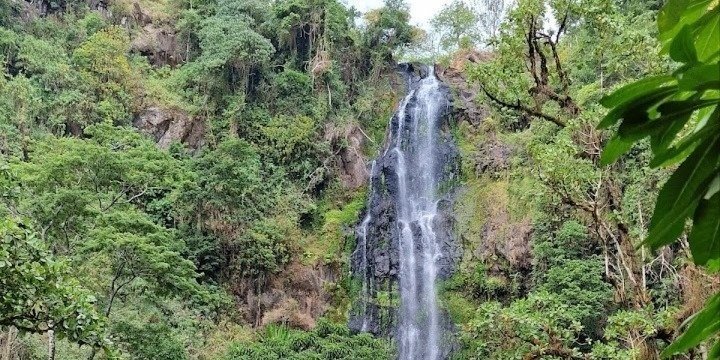
A walk toward Materuni Waterfall passes through this agricultural landscape before reaching the waterfall.
Visitors can also add cultural activities such as traditional coffee roasting and local banana beer preparation.
This makes Materuni particularly attractive because the coffee tour does not stand alone.
You can turn it into a full day of:
Arusha and Mount Meru
Arusha is another convenient starting point for coffee experiences.
The city lies between the landscapes of Mount Meru and Mount Kilimanjaro and is a major starting point for northern Tanzania safaris.
Coffee farms and cultural experiences around the Mount Meru area can therefore work well before or after a safari.
Travelers can combine coffee with:
- Village walks
- Mountain scenery
- Local farming
- Cultural experiences
- Nature walks
- Traditional food
Karatu and the Northern Highlands
Coffee can also be incorporated into cultural experiences around Karatu.
Karatu lies on the route toward Ngorongoro and Serengeti and is surrounded by fertile highland landscapes.
Tanzania Tourism highlights coffee plantations and coffee experiences among the cultural activities available around Karatu.
This is particularly useful for safari travelers.
Instead of simply driving from Arusha to Ngorongoro, you can add a cultural stop and learn about coffee production before continuing your journey.
What Happens During a Tanzanian Coffee Tour?
A typical coffee experience can involve several stages.
1Arriving at the Farm
Your experience normally begins at a local farm or village.
A local guide introduces you to the area and explains the relationship between agriculture, community and the surrounding environment.
You may see coffee growing alongside bananas, vegetables, fruit trees and other crops.
On the slopes of Kilimanjaro, this agricultural landscape is closely connected with the livelihoods of local communities.
2Walking Through the Coffee Farm
Your guide explains how coffee plants grow and what farmers look for when determining whether coffee cherries are ready for harvesting.
This is where the experience becomes more interesting than simply visiting a coffee shop.
You can actually see where the coffee begins.
3Harvesting Coffee Cherries
Depending on the season and the farm, visitors may have an opportunity to participate in harvesting.
The ripe coffee cherries are carefully selected.
This gives travelers a better understanding of how much work goes into producing something that eventually becomes a simple cup of coffee.
4Processing the Coffee
After harvesting, the coffee must be processed.
The exact method varies, but the process can involve removing the outer fruit, drying the beans and preparing them for further processing.
A local guide can explain how traditional and modern methods differ.
5Roasting the Coffee
This is often one of the most enjoyable parts of the experience.
The green coffee beans are roasted until they develop their characteristic color, aroma and flavor.
Traditional roasting methods may be demonstrated, allowing visitors to participate.
The smell of freshly roasted coffee can completely change the atmosphere of the experience.
6Grinding the Beans
The roasted beans are then ground.
In some cultural experiences, traditional tools are used.
The process gives visitors an opportunity to see how coffee was traditionally prepared before modern coffee machines became common.
7Brewing the Coffee
Finally comes the moment everyone has been waiting for.
The freshly roasted and ground coffee is brewed.
Because you have participated in the process, the final cup feels very different from ordering coffee at a café.
You have followed the journey from plant to cup.
The Connection Between Coffee and Chagga Culture
Coffee experiences around Mount Kilimanjaro are closely connected with the agricultural traditions of the Chagga communities living on the mountain's slopes.
The lower slopes of Kilimanjaro have long been associated with farming, including coffee and bananas.
A cultural coffee tour can therefore provide more than information about agriculture.
It can introduce travelers to:
This is one reason coffee tourism works so well as part of a broader cultural experience.
Coffee and Banana Farming
One interesting feature of the Kilimanjaro highlands is the combination of crops.
Coffee may be grown alongside bananas, fruit trees and other agricultural plants.
During a village walk, travelers can therefore learn about more than coffee alone.
You may see:
- Banana plants
- Coffee trees
- Avocado
- Vegetables
- Fruit trees
- Dairy farming
- Small-scale agriculture
This creates a much richer understanding of how local communities use the mountain environment.
Coffee and Materuni Waterfall
If you want to make your coffee experience more adventurous, combine it with a waterfall hike.
The Materuni area is particularly suitable for this.
The route to Materuni Waterfall passes through green landscapes and agricultural areas, including coffee, banana and avocado farms.
A day can therefore include:
- Morning
Coffee experience
- Late morning
Village walk
- Lunch
Traditional local meal
- Afternoon
Hike to Materuni Waterfall
- Late afternoon
Return to Moshi
This combination is ideal for travelers who want culture and nature in the same day.
Coffee Experience and Safari
Coffee tours work extremely well before or after a Tanzania safari.
For example:
Option 1
Option 2
Option 3
This gives travelers a broader understanding of Tanzania.
Instead of experiencing only wildlife, they experience agriculture, culture, landscapes and local communities as well.
Coffee Experience and Kilimanjaro
If you are climbing Mount Kilimanjaro, a coffee tour can be an excellent activity before or after your trek.
Before climbing, it provides a relaxed cultural introduction to the region.
After climbing, it can be a much easier day while still allowing you to explore the area.
A combination such as:
creates a strong adventure itinerary.
What Does Tanzanian Coffee Taste Like?
The flavor depends on the region, altitude, variety, processing method, roasting and brewing technique.
Tanzania is particularly associated with Arabica coffee in several highland regions.
Coffee grown at higher elevations can develop distinctive characteristics, but there is no single flavor that represents all Tanzanian coffee.
During a farm experience, tasting the coffee directly after roasting can help you understand the difference between freshly prepared coffee and commercially packaged coffee.
Is a Coffee Experience Suitable for Non-Coffee Drinkers?
Absolutely.
You do not have to be a coffee expert.
The experience is also about:
- Agriculture
- Culture
- Food
- People
- Landscapes
- Traditional techniques
- Local communities
Even if you rarely drink coffee, learning how a crop is cultivated and transformed into a finished product can be fascinating.
And if you prefer tea or another drink, you can still enjoy the cultural and nature aspects of the experience.
Is a Coffee Experience Good for Families?
Yes.
Children can find the process surprisingly interesting because it is hands-on.
Instead of simply being told where coffee comes from, they can see the plants, touch the beans, watch roasting and participate in parts of the preparation.
For families, combining coffee with a short village walk or waterfall hike can make the experience more engaging.
The walking distance should be adjusted to the children's age and fitness.
Is a Coffee Experience Good for Couples?
Very much so.
Coffee tours can be relaxed, scenic and personal.
Couples can walk through farms, learn traditional techniques, enjoy a freshly brewed cup and have lunch in a peaceful rural setting.
Adding a waterfall or mountain-view experience can make it even more memorable.
It can also be a good alternative for honeymooners who want to experience local culture rather than spending every day at a beach or luxury lodge.
How Long Does a Coffee Experience Take?
A basic coffee experience can take several hours.
A more complete experience can last most of the day.
For example:
| Experience | Approximate duration |
|---|---|
| Coffee tasting | 1–2 hours |
| Farm visit | 2–3 hours |
| Coffee + village walk | Half day |
| Coffee + traditional meal | Half day |
| Coffee + waterfall hike | Full day |
| Coffee + cultural tour | Full day |
| Coffee + multi-day cultural experience | 2+ days |
The exact duration depends on the farm, route and activities included.
What Is the Best Time for a Coffee Experience?
Coffee tourism can generally be enjoyed throughout the year.
However, the experience may feel different depending on the agricultural season.
During harvest periods, visitors may have a better opportunity to see or participate in harvesting activities.
Outside the harvest period, you can still learn about cultivation, processing, roasting and brewing.
If harvesting is particularly important to you, ask your tour provider about current farm conditions before booking.
What Should You Wear for a Coffee Experience?
For a coffee farm and village experience, comfortable outdoor clothing is best.
Consider:
If your experience includes a waterfall hike, proper walking shoes become more important.
The highland environment can also be cooler than visitors expect, particularly in the morning.
What Should You Bring to a Coffee Experience?
A small daypack is enough.
Bring:
- Water
- Camera
- Phone
- Sunscreen
- Insect repellent
- Hat
- Rain jacket
- Comfortable shoes
- Small amount of local currency if appropriate for purchases
If you want to buy coffee directly from the community or farm, leave some space in your luggage.
Can You Buy Coffee Directly From the Farm?
Depending on the farm or community program, visitors may have opportunities to purchase locally produced coffee.
This can be a meaningful souvenir because you are taking home something connected directly to the place you visited.
When buying coffee, ask about:
- Roast level
- Bean type
- Processing method
- Recommended brewing method
- Roast date
- How to store it
Fresh coffee is best stored properly to preserve its flavor.
Supporting Local Communities Through the Coffee Experience
One of the strongest reasons to include a coffee tour in your Tanzania itinerary is the opportunity to support local communities.
Cultural tourism programs can create income for local residents while allowing travelers to learn about local traditions and everyday life.
A responsible coffee experience should treat local residents as hosts and partners rather than simply as attractions.
That means:
- Paying fair prices
- Respecting local customs
- Asking permission before taking photographs
- Listening to local guides
- Buying directly from producers where possible
- Avoiding unnecessary waste
- Respecting private homes and farms
What Makes a Good Coffee Experience?
Not every coffee tour is identical.
A high-quality experience should give you meaningful interaction rather than simply showing you a coffee plant and taking you to a gift shop.
Look for an experience that includes:
Local knowledge
The guide should understand the farming and cultural context.
Participation
Whenever appropriate, you should be able to participate in parts of the process.
Small-scale interaction
Smaller groups often create more opportunities to ask questions.
Authentic local connection
The experience should benefit the community involved.
Clear itinerary
You should know whether the experience includes transport, meals, walking, coffee tasting and other activities.
Coffee Experience vs Coffee Shop
A coffee shop gives you a finished product.
A coffee farm gives you the story behind it.
At a café, you might spend 30 minutes drinking coffee.
At a farm, you can spend several hours understanding:
That difference is what makes coffee tourism special.
A Perfect Coffee Experience Day Near Kilimanjaro
If you have only one day available, a coffee and nature experience can look like this:
- Morning
Leave Moshi after breakfast.
Travel to a coffee-growing village on the slopes of Kilimanjaro.
- Mid-Morning
Walk through coffee farms and learn about cultivation and harvesting.
- Late Morning
Participate in traditional roasting and grinding.
- Midday
Enjoy freshly brewed coffee and a local meal.
- Afternoon
Walk toward a waterfall through the surrounding agricultural landscape.
- Late Afternoon
Return to Moshi.
This is a particularly good option for travelers who have limited time between safari, Kilimanjaro or other activities.
A Tanzania Coffee and Safari Itinerary
For travelers who want a broader experience, consider:
- Day 1
Arrive in Arusha.
- Day 2
Coffee and cultural experience around Mount Meru.
- Day 3
Tarangire National Park.
- Day 4
Ngorongoro.
- Day 5
Serengeti.
- Day 6
Serengeti.
- Day 7
Return toward Arusha.
- Day 8
Travel to Moshi and enjoy a coffee experience.
- Day 9
Materuni village and waterfall.
- Day 10
Departure or continue to Zanzibar.
This combines agriculture, culture, wildlife, mountains and nature.
Common Coffee Experience Mistakes Travelers Make
Treating the experience as just coffee tasting
The real value is the complete journey from farm to cup.
Not allowing enough time
If you have time, combine coffee with a village walk or waterfall.
Booking without asking what is included
Confirm transportation, meals, guide, coffee tasting and additional activities.
Expecting harvesting at every time of year
Coffee production follows agricultural cycles.
Ignoring cultural etiquette
Remember that you are visiting people's homes, farms and communities.
Spending the entire experience taking photographs
Take pictures, but also listen and participate.
The story behind the experience is more valuable than a collection of photographs.
Coffee Experience FAQs
Where is the best place for a coffee experience in Tanzania?
The Kilimanjaro and Moshi area is one of the strongest choices because coffee farms, Chagga villages, mountain scenery and attractions such as Materuni Waterfall can be combined in one experience.
Can I visit a coffee farm near Kilimanjaro?
Yes. Coffee farms are found on and around the lower slopes of Mount Kilimanjaro, and cultural tourism experiences can include visits to coffee-growing communities.
Can I make my own coffee?
Some cultural experiences allow visitors to participate in roasting, grinding and brewing. The exact activities depend on the farm or community program.
How long is a Tanzania coffee tour?
It can range from a short farm visit to a full-day experience combining coffee, cultural activities, food and hiking.
Can I combine a coffee tour with a waterfall?
Yes. Materuni is particularly suitable because the route to the waterfall passes through coffee-growing agricultural landscapes.
Can I combine a coffee experience with a safari?
Yes. Coffee experiences around Arusha, Moshi and Karatu can be added before or after a northern Tanzania safari.
Is a coffee experience suitable for children?
Yes. It can be an educational and hands-on cultural activity for families, especially when combined with a short walk or nature experience.
What type of coffee is grown in Tanzania?
Arabica is an important coffee type in Tanzania's highland-growing regions, although coffee varieties and characteristics vary by growing area and producer.
Can I buy Tanzanian coffee as a souvenir?
Depending on the farm or community, you may be able to purchase locally produced coffee to take home.
Do I need to be a coffee lover?
No. The experience is about agriculture, culture, local communities and nature as much as it is about drinking coffee.
Final Thoughts on the Coffee Experience
A Tanzanian coffee experience gives travelers the opportunity to discover a side of the country that is easy to miss when following the classic safari route.
On the slopes of Mount Kilimanjaro and around other northern highland communities, coffee is connected with farming, family life, landscape and culture.
You can walk through a coffee farm, meet local people, roast beans, grind them, prepare your own cup and enjoy it while surrounded by the landscapes where the coffee was grown.
And when you combine the experience with a waterfall hike, village visit, traditional meal, Kilimanjaro adventure or safari, coffee becomes much more than a drink.
It becomes a way of experiencing Tanzania from farm to cup.
Talk to Our Safari Experts
Have a question or ready to start planning? Reach our local team in Arusha the way that suits you best.