
Zanzibar is one of Tanzania's most captivating destinations, combining white-sand beaches, turquoise Indian Ocean waters, centuries of Swahili history, spice plantations, coral reefs and an island culture shaped by Africa, Arabia, India and Europe. For some travellers it is the place to relax after a safari; for others it is the main destination, with days of swimming, snorkelling, diving, sailing and exploring historic Stone Town.
It is much more than a beach destination. A single trip can take you from the narrow streets of Stone Town to spice farms, mangrove ecosystems, coral reefs and quiet tropical beaches. For travellers in northern Tanzania, one of the most popular combinations is Kilimanjaro → Safari → Zanzibar — mountain, wildlife, culture and ocean in one journey.
Quick facts — Getting There: Fly or Ferry from Dar; Main Island: Unguja.
What Makes Zanzibar Special
Beautiful Beaches
Long stretches of white sand and clear tropical water, from lively northern shores to quiet southern villages.
Stone Town & Swahili Culture
A UNESCO World Heritage Site since 2000 and one of the most important historic towns on the East African coast.
Spices, Reefs & Marine Life
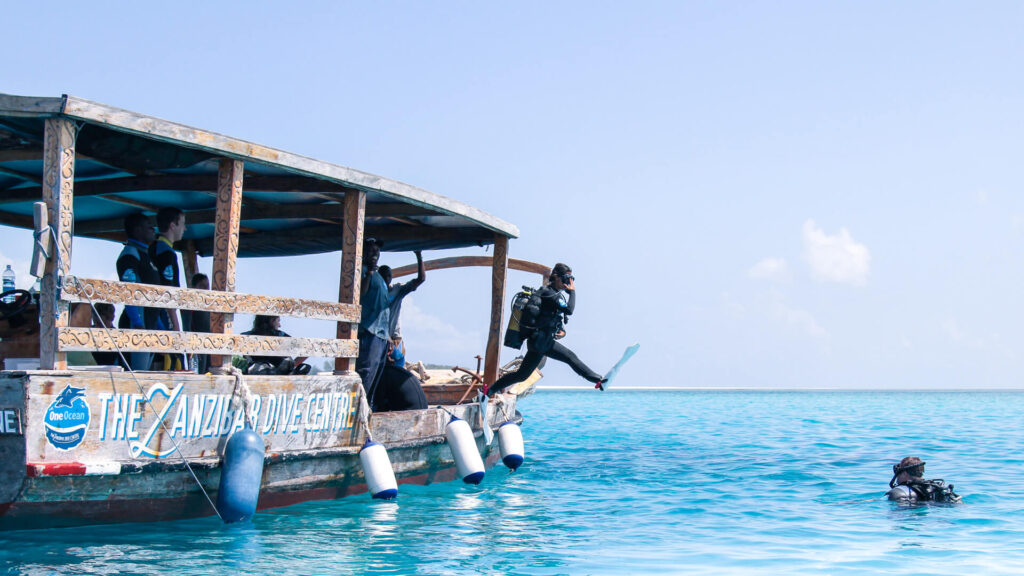
Spice farms, coral reefs, dolphins, dhow sailing and some of the western Indian Ocean's best snorkelling and diving.
Zanzibar's Best Beaches
Nungwi
At the northern tip — swimming, resorts, restaurants, water activities and sunsets with a lively atmosphere.
Kendwa
Wide sandy beach on the north coast, famous for sunsets and swimming-friendly water.
Matemwe
Quieter northeast coast, ideal for couples and honeymooners, with access to Mnemba snorkelling and diving.
Paje
Southeast coast hub for kitesurfing, beach cafés, boutique stays and a relaxed youthful atmosphere.
Jambiani
Long beaches, village life, traditional fishing and a strong connection with local communities.
Kizimkazi
In the south, known for responsible dolphin excursions — sightings are never guaranteed.
Signature Zanzibar Experiences
Stone Town Walking Tour
Old Fort, House of Wonders area, Forodhani Gardens, Darajani Market, carved doors and former slave-trade sites.
Spice Tour
Cloves, cinnamon, vanilla, cardamom, nutmeg and more — the story of why Zanzibar is the Spice Island.
Snorkelling & Diving
Coral reefs, tropical fish and turtles around Mnemba, Nungwi, Matemwe and Pemba Island.
Sunset Dhow Cruise
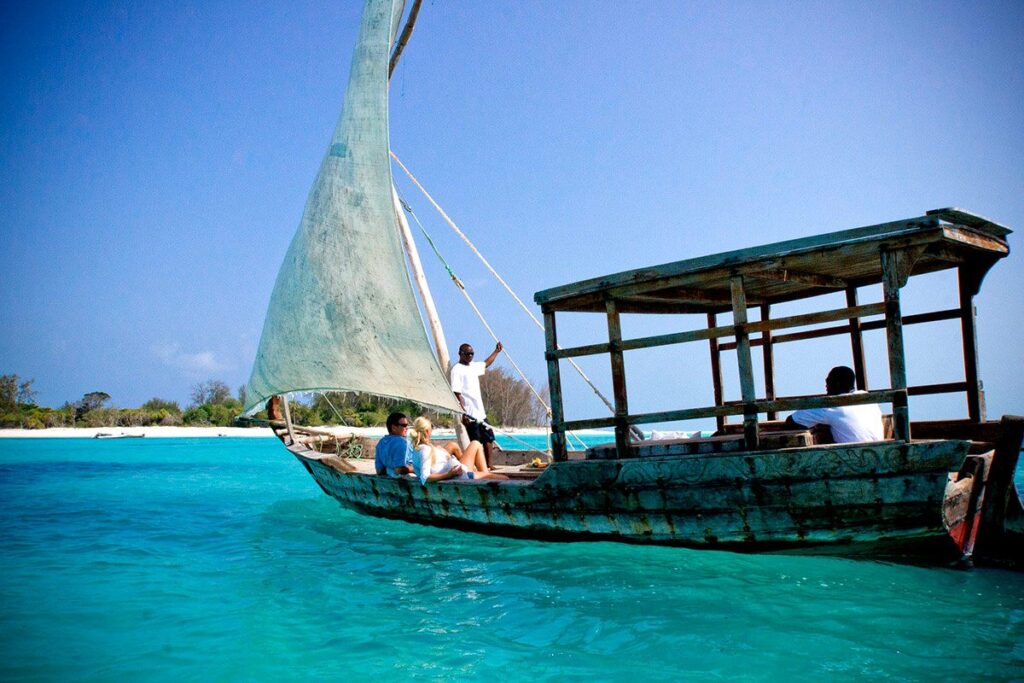
Traditional sailing vessels with ocean views, sunset photography and relaxation — a favourite for couples.
Jozani Forest
Home of the endemic Zanzibar red colobus monkey, plus mangroves and forest ecology.
Food & Forodhani Gardens
Seafood, pilau, biryani, coconut dishes and fresh tropical fruit at Stone Town's lively evening waterfront.
Seasons in Zanzibar
Dry Season
Generally drier, comfortable beaches, good marine visibility — and an excellent pairing with a safari. Popular, so book early.
Warm Season
Warm and tropical, popular around Christmas and New Year, January and February. Early booking advised.
Long Rains
Green and lush with attractive prices; expect heavy showers and possible changes to boat excursions.
Short Rains
A shorter rainy period; rain tends to arrive in tropical bursts rather than all day.
Everything You Need to Know
Stone Town First, Then the Beach
If you have never visited, include Stone Town — spending your entire holiday at a resort means experiencing only one side of Zanzibar. One full day gives a meaningful introduction; two nights lets you enjoy the town's atmosphere in the evenings.
How Many Days?
Three days suits a short beach escape after a safari. Four to five days balances Stone Town, beach relaxation, a spice tour and a marine activity. Six to seven days suits a slower holiday with several excursions, and ten or more lets you explore different parts of the island.
Honeymooners, Couples & Families
Zanzibar is one of Tanzania's strongest honeymoon destinations — private beach stays, sunset dhow cruises and a Serengeti → Ngorongoro → Zanzibar sequence. Families do well too, but choose the beach area and accommodation carefully, with easy beach access and suitable swimming conditions.
Culture, Dress & Safety
Swahili is the main language and English is widely used in tourism. Zanzibar is predominantly Muslim, so dress respectfully away from resorts — cover shoulders and knees in Stone Town, villages and markets. Take normal precautions with valuables, and use reputable operators for ocean activities.
Visa & Costs
Foreign travellers visiting mainland Tanzania and Zanzibar generally use the same visa; requirements depend on nationality, so check official Tanzania Immigration guidance. Costs depend on season, accommodation, beach location, flights, transfers, excursions and private versus shared tours — from guesthouses to luxury villas.
Common Mistakes
Choosing a hotel from photographs alone, ignoring tides, skipping Stone Town, booking every excursion before arrival, treating dolphin or turtle sightings as guaranteed, forgetting sunscreen, and underestimating road transfer times across the island.
Fun Fact: Zanzibar is an archipelago. Unguja — what most travellers mean by “Zanzibar” — is the largest island, while Pemba is another major island known for diving.
Accommodation Styles
Budget
Guesthouses, smaller hotels, local restaurants and shared excursions — Zanzibar works across a wide range of budgets.
Mid-Range
Comfortable beach hotel with breakfast, transfers, several excursions and a Stone Town experience.
Luxury
Beach resorts and private villas with private dining, spa treatments and private dhow cruises.
Boutique & Honeymoon
Quiet areas such as Matemwe, Pongwe, Michamvi and Jambiani suit couples seeking seclusion.
How to Reach Zanzibar
By Air
Zanzibar's international airport serves flights from mainland Tanzania and abroad. After a northern safari, flying is far more convenient than returning to Dar es Salaam.
By Ferry & On the Island
Ferries link Dar es Salaam to Zanzibar, with sea conditions affecting schedules. On the island, private transfers suit first-time visitors moving between Stone Town and the beaches.
Zanzibar Trips
Frequently Asked Questions
Is Zanzibar part of Tanzania?
Yes. It is part of the United Republic of Tanzania, with its own distinct administrative arrangements within the Union.
Is Zanzibar an island?
It is an archipelago; Unguja is the largest and most visited island.
What is Zanzibar famous for?
Beaches, Stone Town, spices, Swahili culture, marine activities, coral reefs and its Indian Ocean history.
Is Zanzibar good for a honeymoon?
Yes. Beaches, resorts, sunsets and private experiences make it very popular with couples.
How many days do you need in Zanzibar?
Four to five days is a good minimum for a balanced first visit; a week allows a more relaxed experience.
What is the best beach in Zanzibar?
There is no single best beach. Nungwi and Kendwa suit popular northern beaches; Matemwe, Paje and Jambiani offer different mixes of relaxation, marine activities and local atmosphere.
Is Nungwi better than Paje?
Not necessarily. Nungwi is ideal for swimming, resorts and northern-coast activities, while Paje is popular for kitesurfing and a more youthful atmosphere.
Can you swim at low tide?
It depends on the beach. Some become very shallow at low tide while others stay suitable for swimming.
Is Zanzibar good for snorkelling and diving?
Yes. Reefs around the island and nearby islands offer snorkelling and a variety of diving, depending on location and season.
Can you see dolphins in Zanzibar?
Dolphin excursions run around the south coast, but dolphins are wild and sightings cannot responsibly be guaranteed.
What is Stone Town famous for?
Historic Swahili architecture, carved doors, narrow streets and centuries of Indian Ocean exchange; UNESCO inscribed it in 2000.
Is Zanzibar safe for tourists?
It is a major tourism destination; normal travel precautions are recommended.
What should women wear in Zanzibar?
Normal beachwear is fine at beaches and resorts. Elsewhere, modest clothing covering shoulders and knees is respectful.
What food is Zanzibar famous for?
Seafood, coconut dishes, pilau, biryani, spices, grilled fish, octopus and tropical fruit.
Can you combine Zanzibar with a safari or Kilimanjaro?
Yes. Safari then Zanzibar is one of Tanzania's most popular combinations, and a Kilimanjaro climb followed by safari and Zanzibar covers mountain, wildlife and ocean.
Do you need a separate visa for Zanzibar?
Generally no, if you are visiting mainland Tanzania too. Requirements depend on nationality, so check before travelling.
Is Zanzibar expensive?
It can be expensive or affordable depending on accommodation, season, activities and travel style.
What is the best time to visit Zanzibar?
The drier periods — June to October and December to February — are popular, though Zanzibar can be visited all year.
Add Zanzibar to Your Tanzania Journey
Tell us your travel dates and whether you want beaches, Stone Town or diving — we will design the island stay around your safari or climb.