Mount Kilimanjaro Trekking: The Complete Guide for First-Time Hikers
Routes, success rates, costs, packing and training: everything first-time hikers need to know before climbing Mount Kilimanjaro.
Mount Kilimanjaro trekking is one of the world's great adventures. The peak rises to 5,895 metres (19,341 feet). It is the highest mountain in Africa and the world's highest free-standing mountain. Its top, Uhuru Peak, sits on Kibo. You don't need to be a skilled mountaineer to climb it. Kilimanjaro is a trekking mountain, not a technical climb. The real tests are altitude, stamina, cold, long walking days and the summit night. So this guide covers all a first-time hiker needs to know about Mount Kilimanjaro trekking.
Ready to Plan Your Climb?
Tell us how fit you are and how many days you have. Then we'll suggest the right route and trip length.
Is Mount Kilimanjaro Trekking Possible for a First-Time Hiker?
Yes. Many people who reach Uhuru Peak have never climbed a mountain this high before. However, “not technical” doesn’t mean “easy”. At almost 5,900 metres, the biggest challenge is usually less oxygen, not steep ground. The CDC lists Kilimanjaro as a high-altitude destination. It also warns that altitude illness is an important risk. For this reason, preparation should focus on both fitness and acclimatisation.
How High Is Kilimanjaro?
Kilimanjaro reaches 5,895 metres at Uhuru Peak on Kibo. In fact, it has three volcanic cones. Kibo (5,895m) is the highest. Mawenzi (5,149m) is rugged and technical. Shira (3,962m) is an older volcano that forms the Shira Plateau.
How Long Does Mount Kilimanjaro Trekking Take?
Most summit treks take 5 to 8 days, depending on the route and plan. But the shortest option isn't always best. The CDC advises extra time to adapt to the height where you can. So for many first-timers, a 7- or 8-day route is far more comfortable than rushing to the top.
The Biggest Challenge of Mount Kilimanjaro Trekking: Altitude
As you climb, air pressure drops. So each breath gives you less oxygen. Your body needs time to adapt, and this is called acclimatisation. Altitude sickness can hit anyone, whatever their age or fitness. Being fit does not make you immune. The CDC notes that acute mountain sickness can cause headache, tiredness, loss of appetite, nausea and vomiting. Worse altitude illness can be life-threatening, and it may need an instant descent. So never hide symptoms from your guide. Always say how you feel.
"Pole pole" (slowly, slowly) is the Swahili phrase you'll hear all through the climb. Walking slowly isn't weakness. In fact, it's one of the smartest ways to adapt to the height on the mountain.
Which Route Should You Choose for Mount Kilimanjaro Trekking?
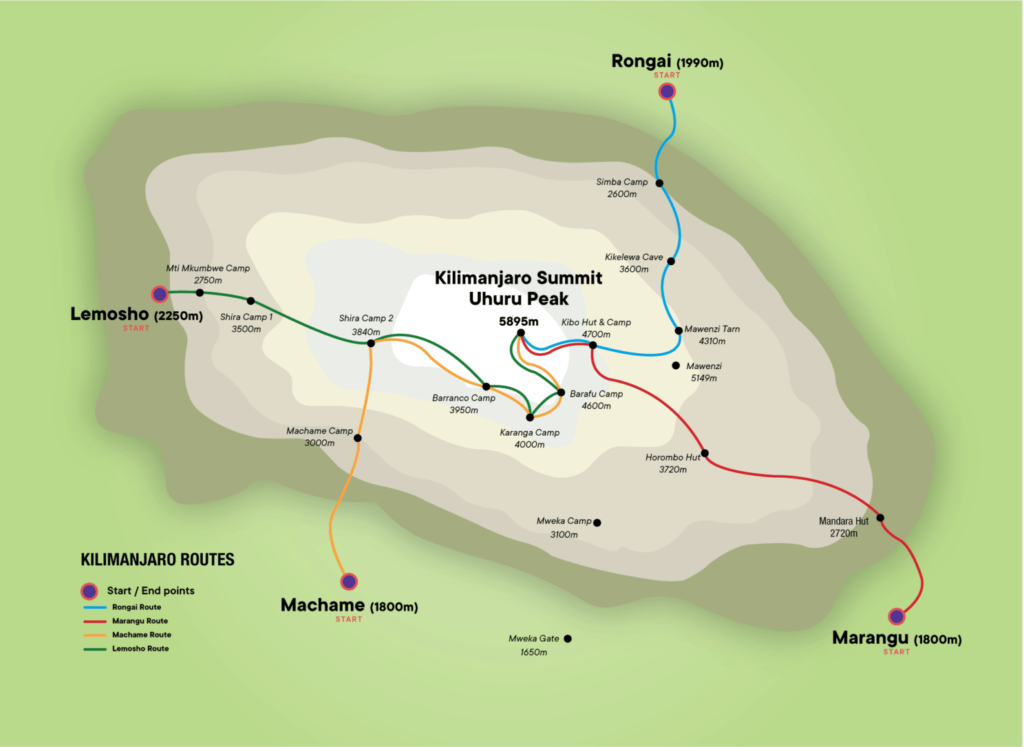
There's no single best route for everyone. Machame (6–7 days) is popular and scenic, but it can be busy. Lemosho (7–8 days) has great views and a good pace for adapting. So it is a favourite for first-timers. Marangu (5–6+ days) is the only route that uses mountain huts instead of tents. Rongai (6–7 days) starts on the quieter northern side. The Northern Circuit (8–9+ days) gives you the most time to adapt, but it costs more. Last, Umbwe is steep and better for experienced trekkers.
| Route | Duration | Accommodation | Good for First-Timers? |
|---|---|---|---|
| Machame | 6–7 days | Camping | Yes |
| Lemosho | 7–8 days | Camping | Yes |
| Marangu | 5–6+ days | Huts | Yes |
| Rongai | 6–7 days | Camping | Yes |
| Northern Circuit | 8–9+ days | Camping | Excellent if time allows |
| Umbwe | 5–6+ days | Camping | Better for experienced trekkers |
The Climate Zones You’ll Pass Through
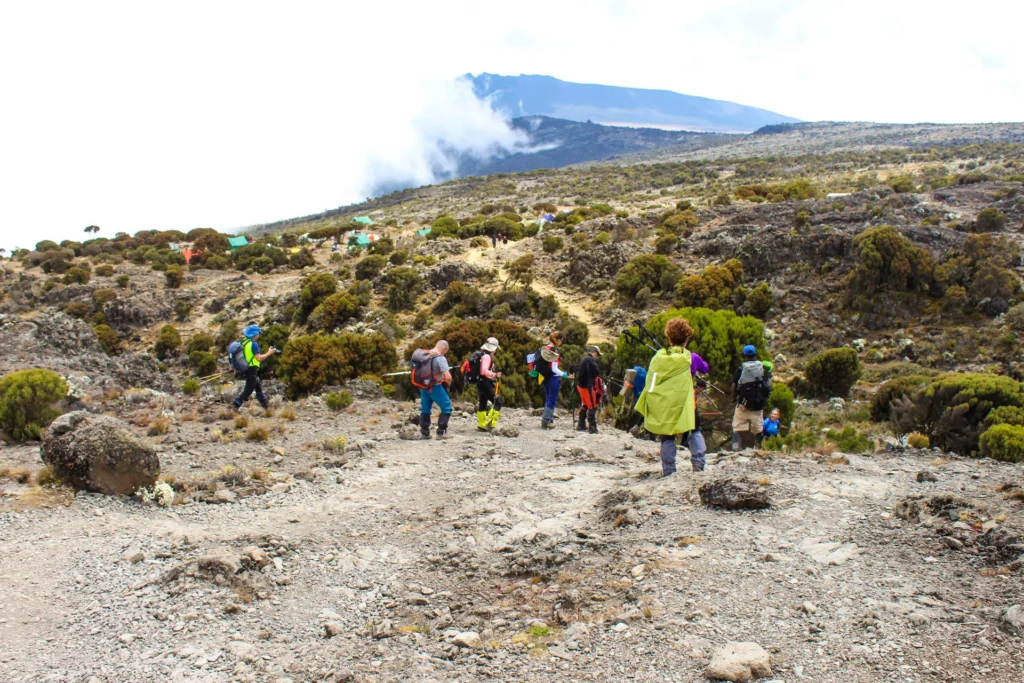
One of Kilimanjaro's most fascinating features is how the land changes as you climb. First come the farmed lower slopes. Next is lush rainforest with birds and monkeys. Then you cross open heath and moorland with giant lobelias. After that, the land turns into bare alpine desert. Last, you reach the icy summit zone of rock, ice and snow near Uhuru Peak. Few treks anywhere let you see such dramatic change in one trip.
What Is Summit Night Like During Mount Kilimanjaro Trekking?
Summit night is usually the hardest part of Mount Kilimanjaro trekking. To reach the top by sunrise, you typically leave high camp around midnight. Then you walk slowly in the cold as the ground steepens and the thin air makes itself felt. Expect frequent short breaks. After days of walking through changing landscapes, you stand at Uhuru Peak as the sun rises over Africa. That moment can last only minutes, but the memory lasts a lifetime.
How Should You Train for Mount Kilimanjaro Trekking?
You don't need to train like a pro mountaineer. But good heart fitness, leg strength and stamina matter. For example, mix walking (building up to several hours) with uphill training (hills, stairs or slopes). Add leg strength work (squats, lunges, step-ups) and cardio exercise. Also do longer hikes with a backpack like the one you'll use on the mountain. In short, you're training your body for time on its feet, not short bursts of effort.
What Should You Pack for Mount Kilimanjaro Trekking?
- Moisture-wicking base layers, warm fleece, insulated and waterproof jackets
- Waterproof trousers, thermal underwear, warm hat and summit gloves
- Broken-in hiking boots — never brand new on the mountain
- Trekking poles, headlamp, sleeping bag rated for very cold temperatures
- Sunglasses, sunscreen, lip balm, personal medication and a power bank
Do You Need a Guide?
Yes. Kilimanjaro climbs must be done with a licensed operator and a guide. Solo trekking is not allowed under current park guidance. A good guide checks your health, your response to altitude, the weather, pace and safety. They should also know when going higher is unsafe. Meanwhile, porters usually carry tents, food and group gear, so you only carry a light daypack. When you compare operators, ask how they treat their mountain crews, not just what they charge.
What Does Mount Kilimanjaro Trekking Cost?
Price depends on route, number of days, group size, operator, accommodation before and after the trek, park and mountain fees, food, guides, porters and equipment. A longer route usually costs more because it needs more days of service. When you compare quotes, check what's really included. Otherwise, a cheap quote can get costly if key services like rescue plans or fair porter welfare are left out.
Combining Kilimanjaro With a Safari
This is one of the best ways to see northern Tanzania. Climbing first is usually practical. You finish the hard physical part while fresh, and then you rest with a more relaxed safari. For example, a classic order is: Kilimanjaro trek → recovery days → Tarangire/Ngorongoro → Serengeti → Zanzibar. Allow at least a short rest before you start anything else tiring.
Common Mistakes First-Time Hikers Make
- Choosing the shortest route simply to save a day or two
- Underestimating altitude because you’re otherwise fit
- Buying new boots too close to departure
- Packing too much, or not bringing enough warm clothing for the summit
- Walking too fast instead of following “pole pole”
- Hiding altitude symptoms instead of telling your guide
- Choosing an operator based on price alone
A Sample 7-Day Kilimanjaro Trek (Machame)
| Day | Route |
|---|---|
| 1 | Machame Gate to Machame Camp — through the rainforest |
| 2 | Machame Camp to Shira Camp — into heath and moorland |
| 3 | Shira to Barranco via Lava Tower — key acclimatisation day |
| 4 | Barranco to Karanga — dramatic high-altitude terrain |
| 5 | Karanga to Barafu — high camp, prepare for summit night |
| 6 | Barafu to Uhuru Peak, then descend |
| 7 | Descend to the gate, trek complete |
Frequently Asked Questions
Do you need climbing experience to attempt Kilimanjaro?
No. It's a trekking mountain, not a technical climb. On the standard routes, you need no ropes or past mountaineering skills.
Which route is best for a first-time hiker?
Lemosho and Machame are the most popular choices. Both offer fine views and good chances to adapt to the height.
What happens if I can’t reach the summit?
Not reaching Uhuru Peak isn't a failure. Because altitude affects people differently, a responsible guide will put your health before pushing you on.
Is there snow on Kilimanjaro?
The summit can have snow and ice, although conditions vary and have changed over time. So dress for cold whatever snow you expect.
Can families or couples climb together?
Yes, though families should choose a gentle plan with plenty of time to adapt. Couples should also agree on a shared pace rather than treating summit day as a race.
Kilimanjaro is not won by speed. Instead, it's climbed one slow step at a time. Choose a reputable operator, allow enough days to adapt, train beforehand, pack well, and listen to your guide. The mountain isn't going anywhere. Also, the journey through five very different ecological zones is just as remarkable as standing on the roof of Africa.
Ready to Plan Your Own Safari?
Tell us what you have in mind and we will design a tailor-made Tanzania itinerary around your dates, pace and interests.
- Tailor-made itineraries
- Local Tanzania safari specialists
- Free advice, no obligation
Keep Reading
All posts →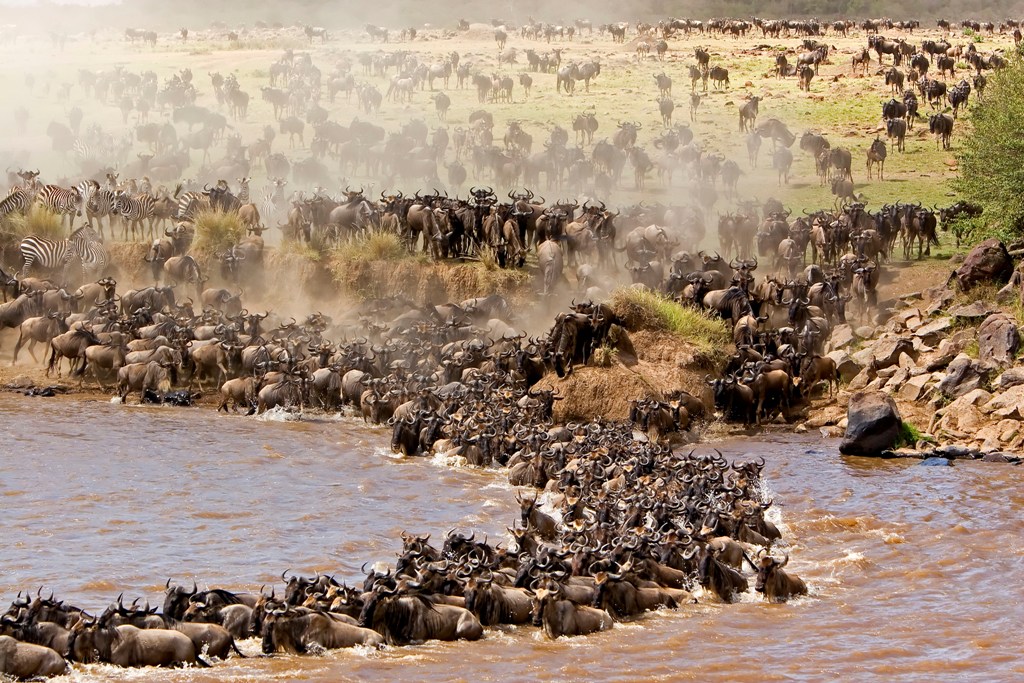 Safari TipsWhat Is the Best Time to Visit Tanzania? Safari, Weather & Zanzibar GuideMonth-by-month guide to the best time to visit Tanzania for safari, the Great Migration, calving season, Kilimanjaro and Zanzibar, with rainy-season, budget…Read article →
 Safari TipsIs Tanzania Safe for Tourists? What Travelers Should KnowIs Tanzania safe? A realistic guide to safari, parks, cities, Zanzibar, Kilimanjaro, road and health safety, current travel advice, emergency numbers and…Read article →
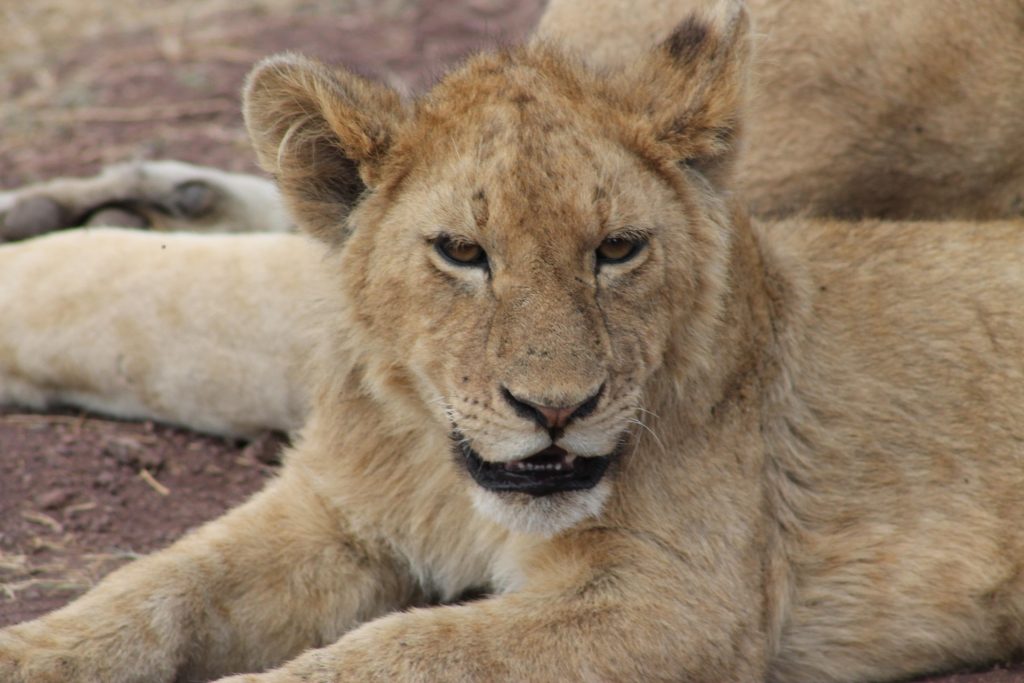 Safari TipsCan I See All Five Big Five Animals on One Tanzania Safari?Yes, you can see the Big Five in Tanzania. Learn which parks are best, the ideal route and season, how many days…Read article →