Is Tanzania Safe for Tourists? What Travelers Should Know
Is Tanzania safe? A realistic guide to safari, parks, cities, Zanzibar, Kilimanjaro, road and health safety, current travel advice, emergency numbers and 10 essential rules.
Is Tanzania safe for tourists? Yes, Tanzania is generally a safe and welcoming place for tourists. This is most true on well-known safari routes, with trusted lodges and professional tour operators. Also, millions of travelers visit each year for wildlife safaris, Mount Kilimanjaro, Zanzibar beaches, cultural trips and other adventures.
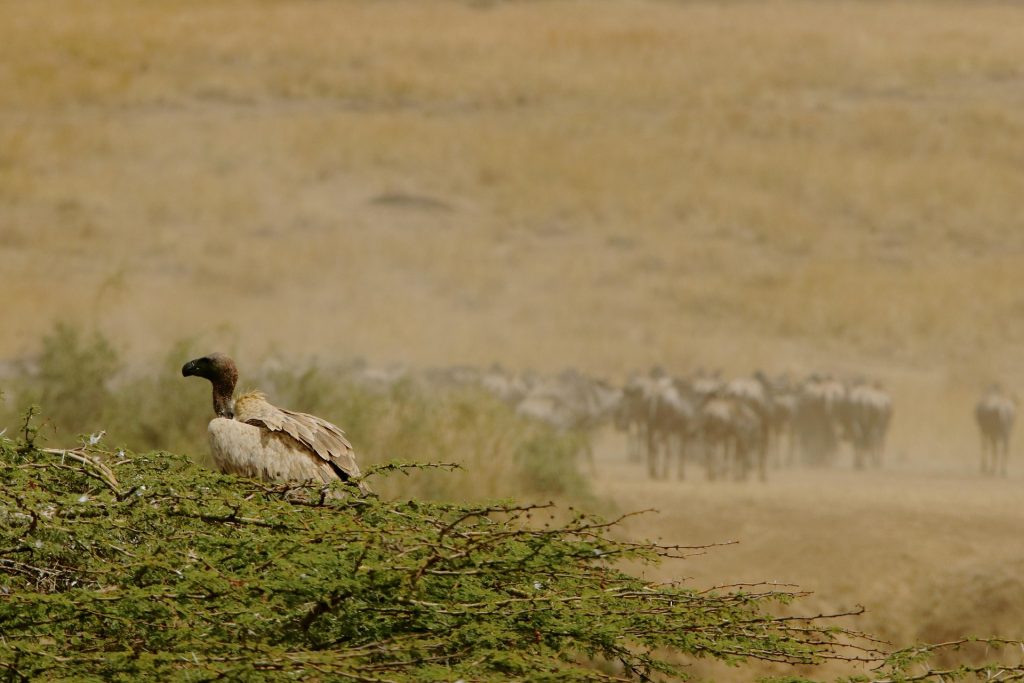
But Tanzania is not free of risk. Like anywhere else, it pays to know local conditions before you go. So learn about wildlife safety, road conditions, health care and simple ways to stay secure.
What Matters Most When Asking: Is Tanzania Safe for Tourists?
In short, the key point is simple. Your safety depends on where you go, how you travel and how well your trip is planned.
In fact, the biggest risks for most safari travelers are not dramatic. Instead, they are everyday issues. Examples are road accidents, dehydration, sun exposure and diseases spread by mosquitoes. Poor preparation for long game drives can also cause problems. So can ignoring wildlife rules.
So this guide answers a common question, is Tanzania safe for tourists, and explains what travelers should know before visiting Tanzania.
In this guide
- Is Tanzania Safe for Tourists?
- Is Tanzania Safe for Safari?
- How Safe Are Tanzania's National Parks?
- Is It Safe to Walk on a Tanzania Safari?
- Is Camping on Safari Safe?
- Arusha: Is It Safe for Tourists?
- Is Dar es Salaam Safe for Tourists?
- Is Zanzibar Safe for Tourists?
- Road Safety in Tanzania
- Should You Self-Drive in Tanzania?
- Health and Medical Safety in Tanzania
- Tanzania's Current Regional Travel Advice
- Is Tanzania Safe for Families?
- Solo Travelers: Is Tanzania Safe?
- Is Tanzania Safe for Women Travelers?
- Mount Kilimanjaro: Is It Safe?
- Is Tanzania Safe During the Rainy Season?
- Wildlife Safety: The Most Important Rules
- What About Photography and Drones?
- Choosing a Safe Tanzania Safari Operator
- What Should You Pack for a Safe Tanzania Trip?
- Common Safety Mistakes Tourists Make
- How to Make Your Tanzania Trip Safer
- Emergency Numbers in Tanzania
- Is Tanzania Safe for First-Time Visitors?
- 10 Essential Safety Rules for Tanzania
Is Tanzania Safe for Tourists?
In short, Tanzania can be a safe and rewarding destination. It works best when you follow normal travel precautions.
Popular tourist areas such as Arusha, Serengeti, Ngorongoro, Tarangire, Lake Manyara, Zanzibar, Kilimanjaro, Nyerere and Ruaha get international visitors all year.
Safari travelers also gain from professional guides. These guides know wildlife behavior, park rules, local roads, weather and emergency steps.
Even so, “generally safe” does not mean you can skip precautions.
Petty theft, road accidents, health problems, scams and wildlife encounters can also happen. So can rare security incidents.
Rather than fearing Tanzania, travel wisely. Is Tanzania safe for tourists who know the place they are visiting? Generally, yes.
Is Tanzania Safe for Tourists on Safari?
Yes. A well-run safari is generally a safe way to see Tanzania.
In fact, safari conditions are quite different from traveling alone through a big city.
On a normal safari, you usually travel in a purpose-built 4WD vehicle with an experienced driver-guide. Your guide also knows the park roads, wildlife behavior, campsites and local rules.
The most important safari safety rule is simple:
Wild animals are wild animals. So never treat them like domestic animals.
- Do not leave the vehicle unless your guide says it is safe and the location allows it.
- Never approach animals on foot.
- Do not try to feed wildlife.
- Avoid shouting at animals or trying to attract their attention.
- Keep your hands and body inside the vehicle when animals are nearby.
- Never ask your driver to get dangerously close to an animal for a photograph.
Wildlife authorities set rules on speed, roads, disturbing wildlife and visitor behavior. So follow your guide's instructions at all times.
Is Tanzania Safe for Tourists in the National Parks?
In short, Tanzania's major national parks are built for controlled wildlife tourism.
However, the parks are not zoos.
No fences separate every animal from tourists. So visitors enter natural homes of elephants, lions, buffalo, leopards, hippos and other animals that can be dangerous.
That is exactly why professional guiding is so important.
For example, your guide can read animal behavior and the land. They also know when it is safe to stop, drive or leave a vehicle.
Serengeti National Park
The Serengeti is one of Tanzania's most famous safari destinations. It also attracts travelers throughout the year.
The main safety concern is wildlife rather than ordinary street crime.
So never walk around alone in wildlife areas unless the activity is planned and allowed.
At camps, listen carefully to staff instructions, especially after dark.
Ngorongoro Conservation Area
Ngorongoro offers great wildlife viewing. Still, remember that you are traveling through a natural area.
Follow your guide's instructions around animals. Also, do not leave designated areas without permission.
Tarangire National Park
Tarangire is famous for elephants, baobab trees and diverse wildlife.
Elephants can appear very close to safari vehicles. But that does not mean they are tame.
Let your guide decide how close the vehicle should be and when to move away.
Lake Manyara
Lake Manyara combines woodland, open areas and wetland environments.
Also, the same basic principles apply. Stay inside the vehicle unless your guide has confirmed that leaving it is appropriate.
Ruaha and Nyerere
Southern Tanzania offers more remote safari experiences.
This can suit travelers who want fewer crowds, but it also means good planning matters even more.
Distances can be longer, and services may be more limited than in big towns.
Is Tanzania Safe for Tourists Who Walk on Safari?
Walking safaris can be safe when properly organized.
But they are completely different from walking around a city.
So a walking safari should have a qualified guide or ranger. It should also follow the rules of the area.
During a walking safari, you may see animal tracks, birds, insects and plants. You may also meet wildlife at much closer range than on a vehicle safari.
The guide's instructions are especially critical.
When your guide tells you to stop, stay quiet, move back or change direction, follow those instructions immediately.
Also, never wander away from the group.
Is Tanzania Safe for Tourists Who Go Camping on Safari?
Yes, camping safaris can be safe when organized properly.
But sleeping in a tent in a wildlife area needs a different mindset from staying in a hotel.
When you camp, wildlife may pass nearby, depending on the campsite.
But this does not mean animals are trying to enter your tent. Instead, it means you are staying in a natural area, so respect it.
At many camps, staff will also explain how to move around after dark.
Follow them.
Do not walk around alone at night just because you want to take photographs or visit another tent.
So if staff offer an escort, use it.
Is Tanzania Safe for Tourists Staying in Arusha?
Arusha is one of Tanzania's main tourism hubs. It is also the main starting point for many northern safari and Kilimanjaro trips.
Generally, most visitors stay in well-known hotels, lodges, guesthouses or organized lodgings.
As in many cities, travelers should still stay aware of their surroundings.
Also, do not show off large sums of cash or costly jewelry.
Keep your phone and camera safe, most of all in crowds.
Use trusted transport.
At night, avoid walking alone in unfamiliar areas.
When you are unsure about an area, ask your hotel or tour operator for advice.
Is Tanzania Safe for Tourists in Dar es Salaam?
Dar es Salaam is Tanzania's largest business city. It is busy, mixed and lively.
Because it is a big city, take normal city care.
Traffic is also a key worry.
So allow plenty of time for trips and use reliable transport.
At busy markets, transport hubs and crowded places, keep valuables safe. Also stay aware of what is around you.
Is Tanzania Safe for Tourists Visiting Zanzibar?
Zanzibar is one of Tanzania's most popular beach spots.
Most visitors spend their time around hotels, beaches, Stone Town and planned trips.
Still, normal care applies.
Keep valuables safe.
Also, take care of your things on beaches.
Use trusted tour operators when you book boat trips, diving, snorkeling and other activities.
When swimming or joining water activities, follow local conditions and your instructor's advice.
Zanzibar also has its own local rules and entry or insurance needs. So check the latest official facts before you leave.
Road Safety: Is Tanzania Safe for Tourists on the Road?
For many safari travelers, road safety needs more attention than they expect.
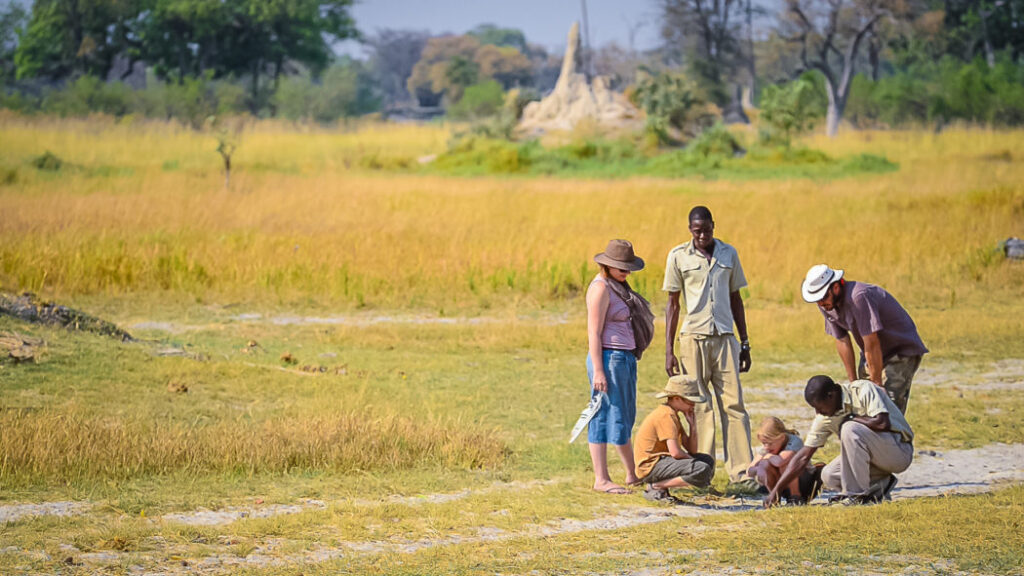
Safari also means driving long distances, sometimes over rough roads and through remote areas.
During some travel days, you may spend several hours in a vehicle.
Road quality also changes a lot from place to place.
For this reason, an experienced safari operator and professional driver-guide matter.
A good safari driver should understand:
- Safari roads
- Wildlife behavior
- Weather conditions
- Vehicle handling
- Tire and mechanical issues
- Park regulations
- Safe driving speeds
- Remote-area logistics
Do not ask your driver to speed just to reach the next stop sooner.
Instead, a slower, steady trip matters more than saving a few minutes.
Should You Self-Drive in Tanzania?
Self-driving is possible in some parts of Tanzania. But it is not the best choice for every traveler.
Safari areas can also have hard roads, confusing tracks, wildlife and changing weather.
In fact, a professional safari driver-guide gives you much more than a ride.
For example, they know where wildlife is likely to be. They also know how to place the vehicle and read animal behavior.
In short, a safari run by professionals is usually easier and more comfortable for a first-time safari traveler.
Health and Medical Safety: Is Tanzania Safe for Tourists?
Health planning should be part of your Tanzania trip plan.
The CDC currently advises talking to a healthcare professional before traveling to Tanzania. Ideally, do this at least a month before you leave. They can also advise on vaccines and medicines that suit your trip.
Malaria
Malaria is present in Tanzania, mainly in areas below about 1,800 meters.
Talk with a qualified healthcare professional about malaria prevention before you leave. Since every traveler is different, they may suggest medicine to prevent it, based on your situation and trip.
Preventing mosquito bites is also important.
Consider:
- Long sleeves in the evening
- Long trousers
- Insect repellent
- Sleeping under a treated mosquito net where it fits
- Staying in lodging with good screens or other mosquito protection
If you get a fever during or after your trip, tell your doctor that you recently traveled to Tanzania.
Malaria can become serious, so it needs quick medical care.
Food and Drinking Water
Take sensible care with food and water.
Drink bottled, treated or otherwise safe water.
Also be careful with food that has been left in unsafe conditions.
Wash your hands often, most of all before eating.
The CDC advises travelers to Tanzania to take care with food and water because stomach illness can happen during international travel.
Generally, most well-known hotels, lodges and safari camps that host international travelers are used to preparing food for visitors.
Travel Insurance
Travel insurance is strongly advised for Tanzania.
A good policy should suit your activities and, ideally, cover medical emergencies, trip delays and evacuation where needed.
This matters even more if you plan activities such as:
- Mount Kilimanjaro
- Remote safari
- Trekking
- Diving
- Water sports
- Long-distance travel
Read the policy with care, because not every activity is covered by default.
Tanzania's Current Regional Travel Advice
Travel advice can change, so is Tanzania safe for tourists right now? Check official government advisories shortly before you leave.
As of 6 October 2026, the UK Foreign, Commonwealth & Development Office advises against all but essential travel to areas within 20 km of Tanzania's border with Mozambique's Cabo Delgado Province. This is because of attacks linked to Islamic extremism. This is a specific regional warning, not one that covers the whole country.
That difference matters for safari travelers because Tanzania is a very large country.
In fact, the major northern safari circuit around Arusha, Tarangire, Ngorongoro and Serengeti is far from that border area.
Even so, always check current official advice before you leave.
Is Tanzania Safe for Tourists Traveling With Families?
Yes. Tanzania can be an excellent family safari destination when the plan suits the children's ages and interests.
A private safari can be especially useful because the schedule can be changed to fit the family.
Parents should consider:
- Shorter driving days
- Family-friendly accommodation
- Private vehicles
- Child-appropriate activities
- Enough rest
- Drinking water
- Sun protection
- Insect protection
Children should also learn basic wildlife rules before the safari begins.
Is Tanzania Safe for Tourists Traveling Solo?
Many solo travelers visit Tanzania successfully.
But solo travel needs more planning than going with a known safari operator or group.
For a first safari, a trusted operator can also make transport, lodging, park access and emergency plans much easier.
In cities, also take normal care and avoid showing off valuables.
Is Tanzania Safe for Tourists Who Are Women Travelers?
Women travel to Tanzania for safaris, trekking, business, beach holidays and cultural trips.
Still, the same basic travel care applies.
First, choose trusted lodging and transport.
If you travel on your own, share your plan with someone you trust.
Also avoid isolated areas after dark.
For trekking and safari activities, use known operators as well as professional guides.
If something does not feel right, tell your lodge or tour operator instead of taking needless risks.
Is Tanzania Safe for Tourists Climbing Mount Kilimanjaro?
Many travelers can climb Mount Kilimanjaro safely when the trek is well planned and led by professionals.
However, altitude is a serious matter.
Because the summit reaches about 5,895 meters above sea level, altitude sickness can affect even healthy people.
A responsible trekking operator should allow enough time to adjust to the height rather than rushing climbers to the summit.
Other things to think about include:
- Cold temperatures
- Dehydration
- Exhaustion
- Weather changes
- Slippery terrain
- Altitude sickness
Climbers should tell their guide about any symptoms right away.
Do not hide symptoms because you fear giving up the climb.
On a mountain, safety should always come before reaching the summit.
Is Tanzania Safe for Tourists During the Rainy Season?
You can visit Tanzania in the rainy seasons. But weather can affect roads and trip times.
Heavy rain may make some roads hard to use, mostly in remote areas.
On the plus side, you may also find greener scenery, fewer tourists in some places and lovely photo conditions.
So your plan should take seasonal road conditions into account.
Before we suggest a trip, our Tanzania safari experts normally look at the destination and road conditions. They also look at where you will stay and the weather to expect.
Wildlife Safety: The Most Important Rules
Is Tanzania safe for tourists on safari? It is when you remember these rules whenever you are on safari:
- Stay inside the vehicle unless your guide says it is safe to leave.
- Never approach wild animals on foot.
- Never feed wildlife.
- Also, do not shout at animals.
- Do not use flash photography carelessly.
- Keep your voice low when you are around wildlife.
- Follow your guide's instructions.
- Respect park speed and road rules.
- Do not litter.
- Never underestimate an animal because it looks calm.
A lion resting beside a vehicle may look relaxed, but it is still a wild hunter.
An elephant that looks peaceful can still react fast if it feels threatened.
Buffalo can be very unpredictable.
Respect creates safety.
What About Photography and Drones?
Photography is one of the great joys of a Tanzania safari, but travelers should put safety before getting the perfect photo.
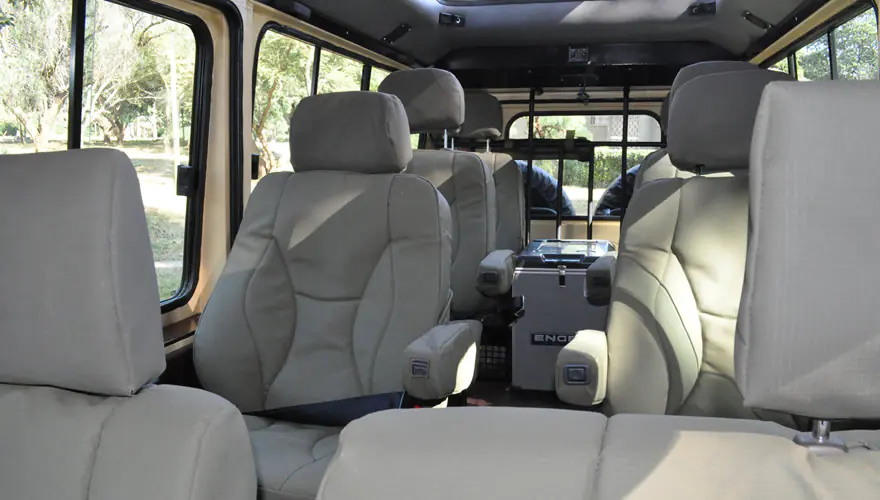
Do not pressure your driver to get dangerously close.
Also, do not leave the vehicle just for a better angle.
Drones are also covered by rules. So do not fly them casually in national parks or protected areas.
Ask your safari operator about current permits before you bring or use a drone.
Choosing a Safe Tanzania Safari Operator
Is Tanzania safe for tourists? Much depends on one of the most important choices you can make: picking the right operator.
Look for a company that provides:
- Clear company information
- Professional guides
- Properly maintained safari vehicles
- Clear itineraries
- Clear inclusions and exclusions
- Reliable lodging
- Emergency plans
- Quick replies
- Proper licenses and permits
- Fair prices
Be wary of companies that make false promises. Examples are guaranteeing specific animals or guaranteeing that you will see Great Migration river crossings.
Wildlife is unpredictable.
A professional operator should explain what is truly possible instead of promising something nature cannot guarantee.
What Should You Pack for a Safe Tanzania Trip?
A handy packing list can make your trip much easier.
Consider bringing:
- Lightweight clothing
- Warm layers for early mornings
- Comfortable walking shoes
- Sun hat
- Sunglasses
- Sunscreen
- Insect repellent
- Personal medication
- Basic first-aid supplies
- Reusable water bottle
- Binoculars
- Camera
- Extra batteries or power bank
- Small flashlight
- Copies of important travel documents
When you climb Kilimanjaro, your packing list will be quite different from that of a standard safari traveler.
Common Safety Mistakes Tourists Make
When asking is Tanzania safe for tourists, remember that some of the most avoidable problems happen because travelers underestimate simple things.
Trying to See Too Many Places. A rushed plan can mean long driving days and tiredness. Instead, a well-planned safari is about spending enough time in the right places, not collecting as many parks as you can.
Ignoring the Sun. Safari vehicles may have shade, but you can still spend many hours in the sun. So use sunscreen, wear a hat and drink enough water.
Forgetting Warm Clothes. Tanzania is often linked with heat, but early mornings in safari areas and high places can be surprisingly cold.
Leaving the Vehicle Without Permission. This is one of the most serious mistakes, so always ask your guide before you leave the vehicle.
Choosing an Operator Only Because It Is Cheap. Price matters. But very cheap safari offers can sometimes mean cuts in vehicle quality, lodging, guiding or trip design. So compare what is included, not prices alone.
How to Make Your Tanzania Trip Safer
Before departure:
- Check current travel advisories.
- Also check entry rules.
- Speak with a travel-health professional.
- Then arrange the right insurance.
- Share your plan with someone at home.
- Keep copies of important documents.
- Choose trusted lodging and transport.
- Finally, understand the conditions of your safari.
During your trip:
- Follow your guide.
- Respect wildlife.
- Protect yourself from the sun and insects.
- Also drink enough water.
- Keep valuables safe.
- Avoid needless risks.
- Respect local laws and customs.
- If you have a problem, tell your guide or hotel staff.
Emergency Numbers in Tanzania
Travelers should know how to reach emergency services if needed.
The CDC currently lists 112 and 999 for emergency services in Tanzania.
Your safari operator should also give you an emergency contact number.
On remote safari trips, save your operator's emergency number offline rather than relying only on the internet.
Is Tanzania Safe for Tourists Visiting for the First Time?
Yes, and many first-time visitors find Tanzania easier to get around when they use an experienced local operator.
You do not need to know every road, park rule or wildlife habit before you arrive.
That is one of the reasons professional guides exist.
So the key is to prepare well, choose a trusted company and stay aware of what is around you.
In short, a well-planned Tanzania safari can mix adventure with good organization and professional support.
10 Essential Safety Rules for Tanzania
Is Tanzania safe for tourists? If you remember nothing else, remember these ten rules:
- Respect wildlife.
- Listen to your guide.
- Stay inside the safari vehicle unless you have permission.
- Also take malaria and mosquito care seriously.
- Protect yourself from the sun and dehydration.
- Use trusted transport.
- Keep valuables safe.
- Also have the right travel insurance.
- Check current travel facts before you leave.
- Finally, never trade safety for a photo or a thrill.
Frequently Asked Questions
Is Tanzania safe for tourists?
Yes. Tanzania is generally a welcoming place to visit. Still, take normal care and follow local safety advice.
Is Tanzania safe for a safari?
Yes. Organized safaris are generally safe when you use trusted operators. Also follow wildlife and park rules.
Are wild animals dangerous in Tanzania?
Wild animals can be dangerous because they are not tame. So keep a safe distance and follow your guide's instructions.
Is Arusha safe for tourists?
Arusha is a major tourist hub and many international travelers visit it. But take normal city care, mostly in crowded areas and after dark.
Is Zanzibar safe?
Zanzibar is a major tourist spot and generally gets visitors all year. Also take normal care and choose trusted providers for trips and water activities.
Is malaria a concern in Tanzania?
Yes. Malaria is present in Tanzania, mainly at heights below about 1,800 meters. So talk to a healthcare professional about prevention before you leave.
Do I need travel insurance for Tanzania?
Travel insurance is strongly advised, most of all for safari, trekking, medical emergencies and activities in remote areas. So check exactly what your policy covers.
Is Tanzania safe for families?
Yes. Tanzania can be an excellent family destination when the safari plan, lodging and activities suit the children's ages.
Is it safe to walk around Tanzania at night?
Avoid walking alone at night in unfamiliar areas. Instead, use reliable transport and ask your lodge for local advice.
Can I travel around Tanzania independently?
Independent travel is possible. But first-time visitors may find a professional operator easier and safer, most of all for remote safari areas and long trips.
Final Thoughts: Is Tanzania Safe for Tourists?
In short, if you are asking is Tanzania safe for tourists, the answer is generally yes, but a safe trip depends on good preparation, responsible behavior and careful planning.
In fact, the key safety points are not complicated.
Respect wildlife.
Choose experienced professionals.
Also take health care seriously.
Protect yourself from the sun and mosquitoes.
Be sensible in cities.
Use reliable transport.
Keep your valuables safe.
And check current travel advice before you leave.
For safari travelers, the quality of your guide and operator can make a big difference. In fact, a knowledgeable local guide does more than help you find wildlife. They also help you understand the area, spot risks early and make better choices throughout your trip.
Tanzania especially rewards travelers who come with preparation and respect.
When you plan well, you can enjoy the Serengeti, Ngorongoro, Tarangire, Kilimanjaro, Zanzibar and Tanzania's other remarkable places with confidence. You can then focus on what brought you here in the first place: an unforgettable African adventure.
Planning your Tanzania safari?
Tell us your dates, interests and budget and our Arusha-based team will design a tailor-made itinerary for you — no obligation.
Ready to Plan Your Own Safari?
Tell us what you have in mind and we will design a tailor-made Tanzania itinerary around your dates, pace and interests.
- Tailor-made itineraries
- Local Tanzania safari specialists
- Free advice, no obligation
Keep Reading
All posts →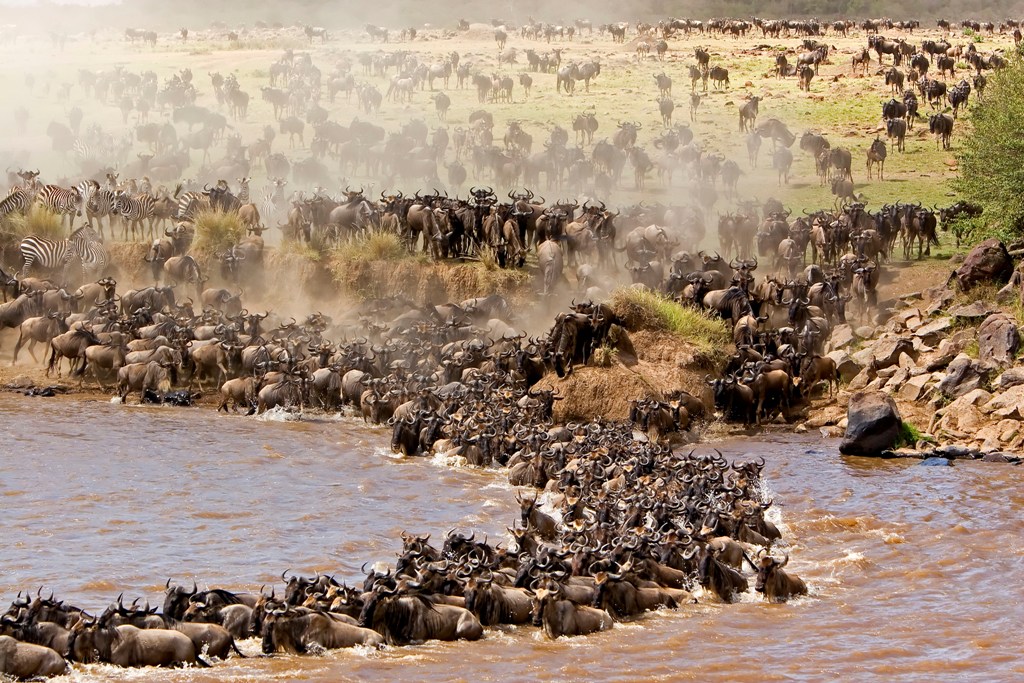 Safari TipsWhat Is the Best Time to Visit Tanzania? Safari, Weather & Zanzibar GuideMonth-by-month guide to the best time to visit Tanzania for safari, the Great Migration, calving season, Kilimanjaro and Zanzibar, with rainy-season, budget…Read article →
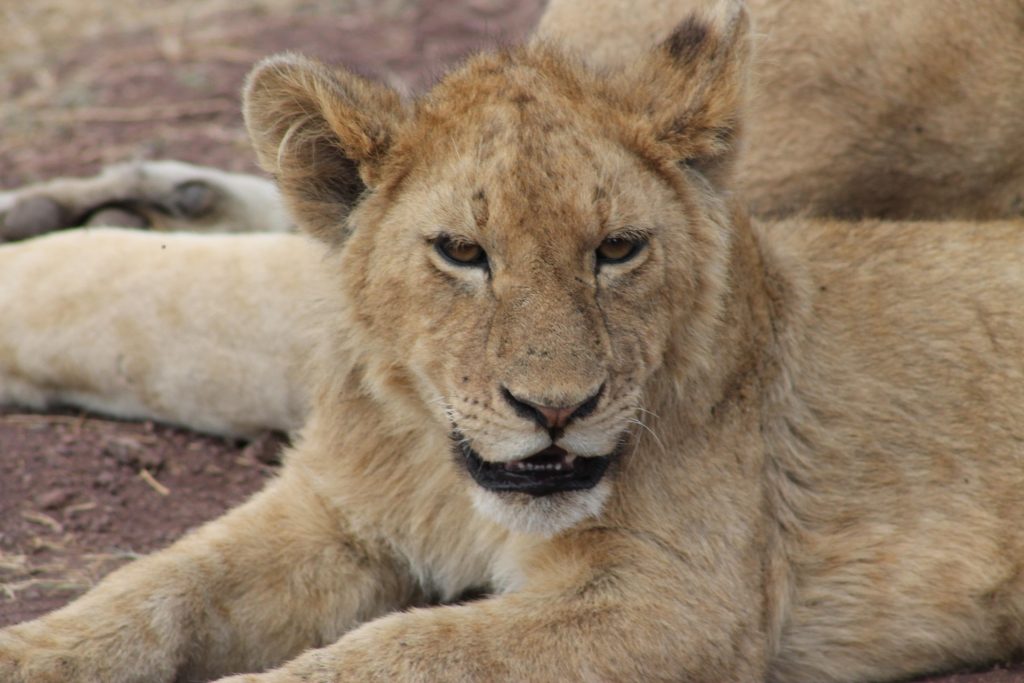 Safari TipsCan I See All Five Big Five Animals on One Tanzania Safari?Yes, you can see the Big Five in Tanzania. Learn which parks are best, the ideal route and season, how many days…Read article →
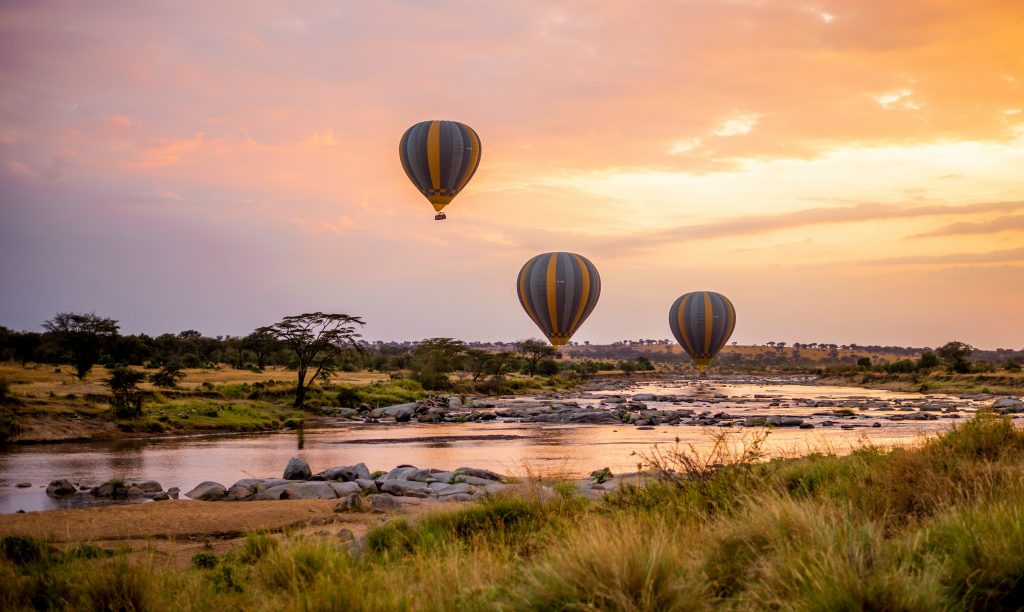 Safari TipsWhat Should I Know Before Going on a Tanzania Safari?44 practical things to know before your Tanzania safari: parks, seasons, guides, vehicles, packing, health, park fees, tipping and what to expect…Read article →