What Should I Know Before Going on a Tanzania Safari?
44 practical things to know before your Tanzania safari: parks, seasons, guides, vehicles, packing, health, park fees, tipping and what to expect on game drives.
Planning your first Tanzania safari is exciting. These Tanzania safari tips on what to expect make the trip easier and more fun.
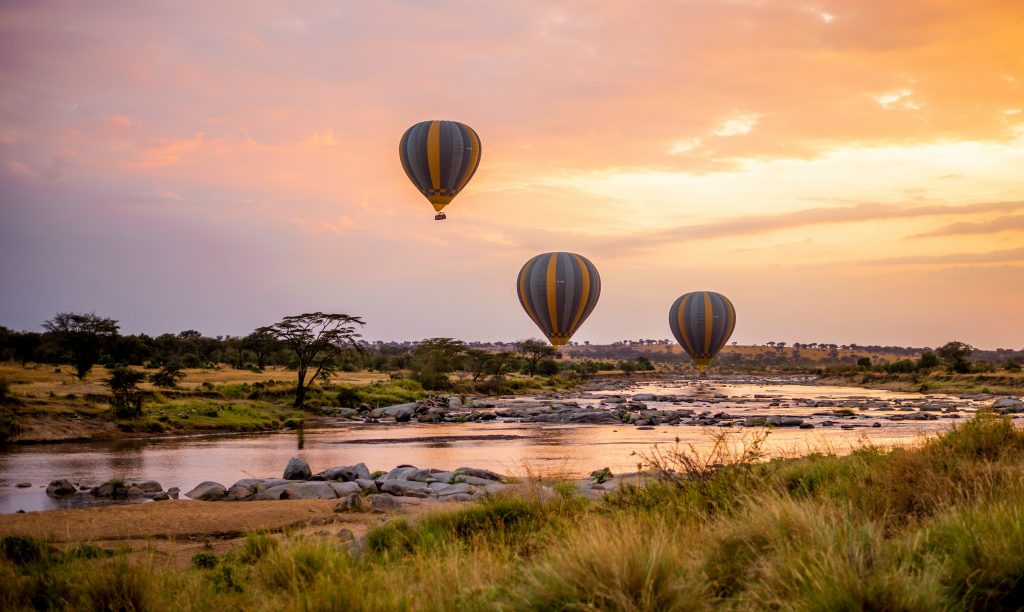
Tanzania is one of Africa's top safari spots. Famous wildlife areas include Serengeti National Park, Ngorongoro Conservation Area and Tarangire National Park. Others are Lake Manyara National Park, Nyerere National Park and Ruaha National Park.
A Tanzania safari is not just a holiday where you drive around looking for animals. It is a trip shaped by many things. These include animal behavior, weather, road conditions, park rules, places to stay, travel distances and the season you pick.
Start With the Key Tanzania Safari Tips
So if you are planning your first safari, here are the key Tanzania safari tips to know before you go.
In this guide
- Choose Your Safari Destination Carefully
- The Season Can Change Your Safari Experience
- Wildlife Sightings Are Never Guaranteed
- Your Guide Can Make a Huge Difference
- Expect Some Long Drives
- A 4×4 Safari Vehicle Is Important
- Safari Roads Are Not Like City Roads
- You Do Not Need to Dress Like an Explorer
- Mornings Can Be Cold
- Bring Sun Protection
- Binoculars Are More Useful Than Many People Expect
- You Do Not Need a Professional Camera
- Respect Wildlife Distances
- Do Not Expect to Leave the Vehicle Whenever You Want
- Walking Safaris Are Different
- You May See More Than the Big Five
- Tanzania Is Excellent for Birdwatching
- Accommodation Is Part of the Experience
- Camping Does Not Always Mean Roughing It
- Food Is Usually Part of the Safari Package
- You Need to Check Tanzania's Entry Requirements Before Traveling
- Travel Insurance Is Worth Having
- Talk to Your Doctor About Health Requirements
- Bring Your Personal Medication
- Malaria Prevention Matters
- Cash and Cards
- Tipping Is Common
- Internet and Phone Signal Can Be Limited
- Bring a Power Bank
- Do Not Pack Too Much
- Dust Is Part of the Experience
- Early Mornings Are Often Worth It
- Safari Is About Patience
- Do Not Try to Visit Too Many Parks
- Private Safaris Offer More Flexibility
- Your Safari Does Not Have to Be Luxury
- Understand What Your Safari Price Includes
- Park Fees Can Change
- Respect Local Communities
- Safari Is Also About Conservation
- Drones Are Not Something You Should Simply Bring and Fly
- The Great Migration Is Not a Guaranteed Show
- Don't Forget Zanzibar Is a Different Experience
- Leave Room for Unexpected Moments
- Tanzania Safari Packing Checklist
- The Most Important Things to Remember
1. Tanzania Safari Tips: Choose Your Safari Destination Carefully
Tanzania is a large country. So, different safari destinations offer different experiences.
For most first-time visitors, the Northern Safari Circuit is the most popular choice. It can include:
- Serengeti National Park
- Ngorongoro Conservation Area
- Tarangire National Park
- Lake Manyara National Park
The Southern Circuit is different, with parks such as Nyerere and Ruaha.
Western Tanzania is great for travelers who want chimpanzee trekking and remote wilderness.
The right park depends on what you want to see. For example:
Serengeti: excellent for large-scale wildlife viewing and the Great Migration.
Ngorongoro: exceptional concentration of wildlife within a spectacular volcanic landscape.
Tarangire: particularly known for elephants and baobab landscapes.
Lake Manyara: known for varied habitats, birdlife and the chance to see tree-climbing lions.
Nyerere: offers game drives as well as boat trips to see wildlife.
In short, pick parks by your interests. That matters more than visiting as many as you can.
2. Tanzania Safari Tips on Timing: The Season Can Change Your Experience
There is no single “best month” for every Tanzania safari.
Instead, the best time depends on what you want to experience.
The dry season is generally popular for wildlife viewing. Plants are often less dense, so animals may be easier to spot.
The wetter months have their own rewards. They can bring green landscapes, fewer visitors in some areas and great birdwatching.
Is the Great Wildebeest Migration your main goal? Then where the herds are matters more than the month on a calendar.
After all, wildlife follows rain, water and food.
So a good safari plan should allow for seasonal wildlife moves. It should not promise a set animal sighting on a set day.
3. Wildlife Sightings Are Never Guaranteed: Key Tanzania Safari Tips
This is one of the most important Tanzania safari tips to know before your safari.
You may see lions, elephants, giraffes, buffaloes, zebras, wildebeest, cheetahs, leopards and many other animals.
However, wildlife is wild.
So there is no guarantee that you will see a particular species.
Even if an animal was seen in the same area yesterday, it may have moved somewhere else today.
This is why an experienced guide is so important.
A good guide knows animal behavior, tracks, habitats, seasonal moves and the local landscape.
4. Tanzania Safari Tips on Guides: Your Guide Can Make a Huge Difference
For example, two travelers can visit the same national park and have completely different experiences.
In the end, the quality of your guide matters.
A good safari guide should be able to:
- Identify wildlife
- Explain animal behavior
- Understand the landscape
- Read tracks and signs
- Find suitable wildlife-viewing areas
- Explain conservation
- Answer questions
- Drive responsibly
- Prioritize your safety
- Respect wildlife
Tanzania's national park guidance also recommends using licensed operators and guides. It asks visitors to follow official safety and driving rules.
For this reason, one of the best Tanzania safari tips is not to pick a safari only because it is the cheapest option.
5. Expect Some Long Drives
Tanzania's national parks are large.
So if you travel by road, some days can involve several hours of driving.
For example, reaching Serengeti from Arusha by road can take much of a day. This depends on the route and stops. Official visitor information calls the road trip to Serengeti a long journey. Flights are a faster option.
Also, the driving itself can be part of the safari.
You may pass through:
- Rural villages
- Farmland
- Mountain landscapes
- Maasai communities
- Wildlife areas
- Changing vegetation zones
If you do not enjoy long road trips, consider domestic safari flights for some parts.
6. A 4×4 Safari Vehicle Is Important
For a traditional wildlife safari, a purpose-built 4×4 safari vehicle is usually the best choice.
A good safari vehicle should provide:
- Comfortable seating
- Large windows
- Good visibility
- Pop-up or opening roof
- Reliable suspension
- Enough space for luggage
- Charging options where available
Road conditions can vary a lot between parks, especially in rainy periods.
In fact, some park visitor guidance recommends suitable 4×4 vehicles where conditions require them.
7. Tanzania Safari Tips for the Road: Safari Roads Are Not Like City Roads
Still, do not expect smooth roads on your whole safari.
Some roads are gravel, dirt or uneven tracks.
You may experience:
- Dust
- Potholes
- Corrugated roads
- Mud
- Water crossings
- Rough sections
A safari vehicle is built for these conditions. Even so, expect some bouncing.
That is why comfy clothing and a relaxed attitude help.
8. Tanzania Safari Tips on Clothing: You Do Not Need to Dress Like an Explorer
In fact, you do not need expensive safari clothing.
Comfortable, lightweight clothing is usually enough.
Useful items include:
- Neutral-colored shirts
- Lightweight trousers
- Comfortable shoes
- Fleece or jacket
- Sun hat
- Sunglasses
- Rain jacket
Neutral colors can be handy for wildlife trips, and some park guidance suggests them.
Still, avoid very bright colors when you can, especially on walking activities.
9. Tanzania Safari Tips for Mornings: They Can Be Cold
Many travelers imagine Africa as hot all day.
That is not always the case.
For example, early morning game drives can be surprisingly cool. This is true in high areas such as the Ngorongoro Highlands.
So pack a warm layer that you can easily take off later.
Layering is usually better than bringing one very heavy jacket.
10. Tanzania Safari Tips for Sun Protection
The African sun can be strong.
Pack:
- Sunscreen
- Sunglasses
- Hat
- Lip balm
- Reusable water bottle
Also, drink enough water throughout the day.
Tanzania's national park visitor guidance also suggests carrying enough water and sun protection.
11. Binoculars Are More Useful Than Many People Expect
A pair of binoculars can greatly improve your safari.
After all, not every animal will be standing beside the vehicle.
You may see:
- A leopard resting in a distant tree
- Birds high above the plains
- A lion far across the grassland
- A herd of elephants several hundred meters away
Binoculars let you see details without asking the driver to move too close.
12. You Do Not Need a Professional Camera
A professional camera can take amazing safari photos, but it is not a must.
Modern smartphones can take great photos when wildlife is fairly close.
If photography is important to you, however, consider:
- Telephoto lens
- Extra batteries
- Memory cards
- Power bank
- Camera protection from dust
Still, do not let photography stop you from truly enjoying the safari.
Sometimes the best moment is simply watching the animal.
13. Tanzania Safari Tips for Wildlife Distances: Respect Them
Never ask your driver to get dangerously close to an animal just for a photo.
Remember, wild animals need space.
In fact, park rules say visitors must respect wildlife and stay on approved roads. They also ask you not to disturb or feed animals.
You should also:
- Avoid shouting
- Avoid playing loud music
- Never throw objects at animals
- Never feed wildlife
- Never attempt to touch wild animals
- Follow your guide's instructions
In short, a responsible safari is better than a photo that disturbs an animal.
14. Tanzania Safari Tips on Rules: Do Not Expect to Leave the Vehicle Whenever You Want
A game drive is not a normal road trip.
In many wildlife areas, you can leave the vehicle only at set spots or during approved activities.
So do not just open the door and step out for a better photo.
Official park rules ban visitors from leaving vehicles except in set areas. They also limit activities such as walking safaris to approved plans.
15. Walking Safaris Are Different
A walking safari gives you a very different view.
Instead of searching for wildlife from a vehicle, you focus on:
- Animal tracks
- Plants
- Insects
- Birds
- Sounds
- Smaller animals
- Ecosystem details
Walking safaris must follow the park rules. They are led by approved guides or rangers.
16. You May See More Than the Big Five
Many first-time safari travelers focus only on:
- Lion
- Leopard
- Elephant
- Buffalo
- Rhino
Still, Tanzania's wildlife is much broader than that.
You may also see:
- Giraffes
- Cheetahs
- Hippos
- Hyenas
- Zebras
- Wildebeest
- Warthogs
- Gazelles
- Elands
- Monkeys
- Baboons
- Jackals
- Birds of prey
- Hundreds of smaller bird species
In fact, sometimes the most memorable sighting is an animal you had never heard of before the safari.

17. Tanzania Is Excellent for Birdwatching
You do not need to be a serious birder to enjoy Tanzania's birds.
You may encounter:
- Eagles
- Vultures
- Secretary birds
- Ostriches
- Hornbills
- Kingfishers
- Bee-eaters
- Storks
- Flamingos
- Weavers
Bring binoculars if possible.
A guide who knows birds can also name species and explain their behavior.
18. Tanzania Safari Tips on Accommodation: It Is Part of the Experience
Safari accommodation ranges from simple campsites to luxury lodges and tented camps.
You can choose:
Budget: usually focuses on low cost and practical places to stay.
Mid-Range: offers more comfort while keeping the overall safari cost moderate.
Luxury: can include high-end tented camps, premium lodges, private trips and great locations.
Still, do not choose a place to stay only by the room.
Location matters.
A property closer to the area you want to explore can cut driving time. So you get more time to view wildlife.
19. Camping Does Not Always Mean Roughing It
Camping safaris vary a lot.
You can choose from:
- Public campsites
- Special campsites
- Mobile tented camps
- Comfortable tented camps
- Luxury tented camps
For example, some tented camps provide beds, private bathrooms and restaurant-quality meals.
Ask exactly what is included before booking.
20. Food Is Usually Part of the Safari Package
Safari meals are usually planned around your daily activities.
Depending on where you stay and your plans, meals can include:
- Breakfast
- Lunch
- Dinner
- Packed lunch
- Bush breakfast
- Bush lunch
If you have allergies or special food needs, tell your safari company before you arrive.
Do not wait until you reach the park.
21. You Need to Check Tanzania's Entry Requirements Before Traveling
International travelers should check the current entry and visa rules before booking their trip.
Rules can vary by nationality and travel plans.
The Tanzania Tourism Board gives current entry and visa guidance. It advises travelers to read the rules before making travel plans.
Your passport must also meet the rules for how long it stays valid.
Do not rely on an old travel blog, because immigration rules can change.
22. Tanzania Safari Tips on Insurance: Travel Insurance Is Worth Having
Travel insurance is strongly advised for a Tanzania safari.
Depending on your policy, useful cover can include:
- Medical expenses
- Emergency evacuation
- Trip cancellation
- Lost luggage
- Travel delays
- Emergency assistance
Are you climbing Kilimanjaro or taking part in hard physical activities? Then check that your policy covers them.
23. Tanzania Safari Tips for Health: Talk to Your Doctor About Requirements
Do your health planning before you travel.
Depending on your plans and personal needs, a doctor may advise you about:
- Vaccinations
- Malaria prevention
- Prescription medication
- Food and water precautions
- Travel health insurance
Tanzania's park planning guidance also advises travelers to ask a doctor about malaria prevention and vaccinations.
So do not wait until the day before your flight to get medical advice.
24. Bring Your Personal Medication
If you take prescription medication, bring enough for your trip and pack it well.
It is also wise to carry basic personal items such as:
- Pain relief
- Personal first-aid supplies
- Insect repellent
- Sunscreen
- Any prescribed medication
Your safari company should know about key medical or food needs in advance.
25. Tanzania Safari Tips on Health: Malaria Prevention Matters
Some areas of Tanzania have malaria risk.
Before you travel, talk to a doctor about the right prevention for your plans.
Along with any medical advice, travelers can cut mosquito bites by using:
- Insect repellent
- Long clothing in the evening
- Safe places to stay with the right precautions
26. Tanzania Safari Tips on Cash and Cards
Do not assume that every place will take your preferred way to pay.
Carry a handy mix of:
- Payment cards
- Some local cash
- Emergency funds
Your safari company should explain what your package already includes. It should also say what you may need to pay for separately.
Park fees depend on visitor type, age and activities. Extra charges can apply for vehicles, camping and certain activities. Because fees can change, check official park fee lists before you travel.
27. Tanzania Safari Tips on Tipping: It Is Common
Tipping is common in Tanzania's tourism industry.
Travelers may choose to tip:
- Safari guides
- Camp staff
- Porters
- Other service staff
The amount depends on the quality of service, length of safari and your own budget.
Think of tipping as thanks for good service. It is not a must for every interaction.
Your safari company can explain its tipping system before you leave.
28. Internet and Phone Signal Can Be Limited
Do not expect strong mobile coverage everywhere.
In fact, some remote safari areas have weak or no signal.
This can actually be part of the experience.
Before leaving town, download key information, including:
- Booking confirmations
- Flight details
- Emergency contacts
- Accommodation information
- Important documents
A power bank is also useful.
29. Bring a Power Bank
You may spend long periods away from accommodation.
As a result, your camera, phone and other devices can run out of power.
Bring:
- Power bank
- Charging cables
- Spare camera batteries
- Appropriate travel adapters
Some safari vehicles and lodges offer charging. Still, it is better not to depend on them fully.
30. Tanzania Safari Tips for Packing: Do Not Pack Too Much
Safari vehicles have limited luggage space.
Among the most practical Tanzania safari tips: pack what you actually need.
A soft bag is often handier than a large hard suitcase. This is especially true if your trip includes small planes.
If you are flying between safari spots, check the airline's current baggage limit before packing.
31. Dust Is Part of the Experience
Road safaris can be dusty, especially in dry periods.
When needed, protect your camera and other electronics.
A small bag to keep sensitive gear safe can be useful.
Also, do not wear costly white clothing if you worry about dust.
32. Early Mornings Are Often Worth It
Some of the most memorable safari moments happen shortly after sunrise.
Animals may be active, temperatures are cooler and the morning light can be great for photos.
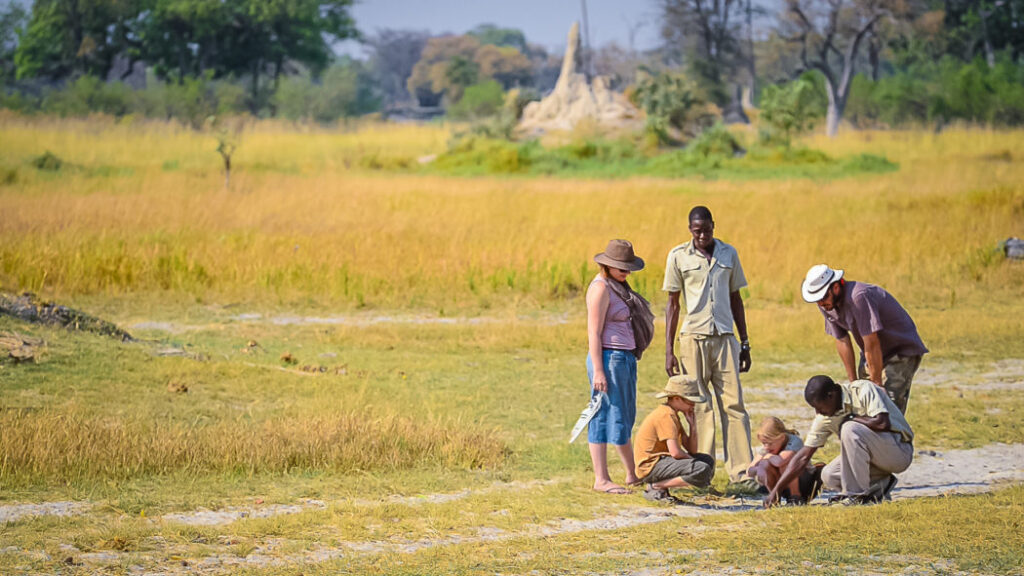
This means you may need to wake up early.
If you want to sleep until late morning every day, a classic safari may need some changes.
33. Safari Is About Patience
Do not expect constant action.
For example, you may spend 30 minutes watching an elephant feed.
Or you may wait quietly for a leopard to appear.
You may follow tracks without immediately finding the animal.
This is normal.
In fact, the best safari moments often come from slowing down and watching.
34. Tanzania Safari Tips for Itineraries: Do Not Try to Visit Too Many Parks
One of the biggest mistakes first-time visitors make is a plan that is too packed.
For example:
Tarangire → Manyara → Ngorongoro → Serengeti → Nyerere → Zanzibar
in a very short trip can mean more time traveling than watching wildlife.
A better plan gives each place enough time.
In the end, quality matters more than the number of parks on a list.
35. Private Safaris Offer More Flexibility
A private safari can be very handy if you want control over your schedule.
You can often adjust:
- Departure times
- Game-drive duration
- Meal stops
- Photography stops
- Wildlife interests
- Daily pace
This can be especially useful for families, photographers and honeymooners.
Group safaris can cost less. However, they usually have a more fixed schedule.
36. Your Safari Does Not Have to Be Luxury
Tanzania offers safaris for different budgets.
You can choose:
- Budget camping
- Mid-range lodges
- Tented camps
- Luxury lodges
- Luxury mobile camps
The wildlife itself is the same.
What changes is the place to stay, how you travel, the level of service, privacy and overall comfort.
Overall, a well-planned mid-range safari can be a great trip without paying for the top luxury level.
37. Tanzania Safari Tips on Pricing: Understand What Your Safari Price Includes
Before paying a deposit, ask for a clear list of what is and is not included.
Your safari price may include some or all of:
- Accommodation
- Meals
- Safari vehicle
- Professional guide
- Park fees
- Airport transfers
- Drinking water
- Activities
Extra costs may include:
- International flights
- Visa
- Travel insurance
- Tips
- Alcohol
- Personal purchases
- Optional activities
- Certain domestic flights
One of the most useful Tanzania safari tips is not to compare safari companies by the headline price alone.
Instead, compare what you actually get.
38. Tanzania Safari Tips on Park Fees: They Can Change
Tanzania's national park fees are revised from time to time.
The official fee list shows that costs vary by visitor type, age and activity. Extra charges may apply to vehicles, camping and other services.
For this reason, do not rely on an old blog post for exact park prices.
Instead, ask your safari company for the current quote and confirm what is included.
39. Respect Local Communities
A Tanzania safari can include more than wildlife.
You may meet communities such as the Maasai. You can also enjoy local culture, food, crafts and traditional ways of life.
Approach cultural visits with respect.
For example, ask before photographing people, especially children.
Buy local products with care. Also remember that cultural visits should help the communities that take part.
40. Safari Is Also About Conservation
Your safari helps pay for conservation.
Park fees, tourism businesses, hotels, guides and local communities all play a part in the wider tourism system.
Responsible travelers should avoid operators who encourage:
- Off-road driving where prohibited
- Harassing animals
- Excessive crowding
- Feeding wildlife
- Loud behavior
- Illegal activities
Following park rules helps protect the destination for future generations. In fact, official park rules ban acts such as disturbing wildlife, feeding animals and off-road driving without approval.
41. Drones Are Not Something You Should Simply Bring and Fly
Do not assume you can fly a drone over a national park.
Drone use is restricted and needs permission. Official park guidance advises travelers to confirm drone rules in advance.
If you want aerial footage, talk to your safari company before you travel.
42. The Great Migration Is Not a Guaranteed Show
If you are traveling specifically for the Great Migration, remember this. Nature does not follow a tourism calendar.
The wildebeest move according to environmental conditions.
Even in the popular migration periods, you cannot count on a river crossing on a set day.
Instead, a good guide will watch conditions and wildlife moves rather than promise an exact event.
43. Don't Forget Zanzibar Is a Different Experience
Many travelers combine a safari with Zanzibar.
This can be a great mix because the two trips are completely different.
A safari offers:
- Wildlife
- Savannah
- Game drives
- Bush landscapes
Zanzibar offers:
- Beaches
- Indian Ocean
- Stone Town
- Spice experiences
- Marine activities
- Swahili culture
A common itinerary might be:
Serengeti → Ngorongoro → Tarangire → Zanzibar
44. Leave Room for Unexpected Moments
The best safari memories are often not the things you planned.
You might encounter:
- A pride of lions at sunrise
- Elephants crossing the road
- A cheetah hunting
- A leopard appearing unexpectedly
- Thousands of wildebeest
- A spectacular African sunset
- A rare bird
- A cultural interaction
So give your itinerary enough flexibility to enjoy these moments.
Tanzania Safari Tips: Packing Checklist
Before leaving home, make sure you have:
Documents
- Passport
- Visa or required entry documentation
- Travel insurance
- Flight details
- Safari booking confirmation
- Emergency contacts
Clothing
- Lightweight shirts
- Trousers
- Comfortable shoes
- Warm jacket
- Rain jacket
- Hat
- Sunglasses
Safari Equipment
- Binoculars
- Camera
- Extra batteries
- Memory cards
- Power bank
- Charging cables
Personal Items
- Sunscreen
- Insect repellent
- Personal medication
- Small first-aid supplies
- Reusable water bottle
- Toiletries
The Most Important Tanzania Safari Tips to Remember
If you remember only a few Tanzania safari tips before your trip, remember these:
- Choose the parks according to what you want to experience.
- Choose your travel season carefully.
- Wildlife sightings are never guaranteed.
- A good guide can make a major difference.
- Expect some long and bumpy drives.
- Pack layers because temperatures can change.
- Bring binoculars.
- Respect wildlife and keep your distance.
- Check current visa and entry rules before you travel.
- Check current park fees rather than relying on old information.
- Consider travel insurance.
- Do not overpack your itinerary.
- Be patient—the best sightings cannot be scheduled.
- Respect local communities and conservation rules.
- Enjoy the experience instead of trying to photograph everything.
Frequently Asked Questions About Tanzania Safari Tips
What should I know before going on a Tanzania safari?
You should know the season, the place, what to expect from wildlife, travel distances, where you will stay, park rules, health prep, entry rules, what to pack and what your safari price includes.
What is the best month for a Tanzania safari?
There is no single best month. The ideal time depends on your goals, such as wildlife viewing, the Great Migration, birdwatching, photos or Zanzibar.
How many days do I need for a Tanzania safari?
For a first safari, about 5–8 days is a good start. It covers several places without feeling rushed.
Is Tanzania safari safe?
A well-run safari can be very safe. Follow your guide's instructions, keep your distance from wildlife and obey park rules. Official guidance stresses wildlife safety, set roads and responsible behavior.
What should I wear on safari in Tanzania?
Wear comfy, lightweight clothing and bring layers for cool mornings and evenings. Neutral colors suit wildlife trips.
Do I need binoculars for a Tanzania safari?
They are not a must, but they are highly advised. They make far-off animals easier to see.
Can I use my phone during a safari?
Yes, but mobile coverage can be weak in remote areas. Download key travel information in advance and carry a power bank.
Should I choose a private or group safari?
A private safari gives more freedom, especially for families, couples and photographers. Group safaris can cost less.
Can I combine a Tanzania safari with Zanzibar?
Yes. Mixing a mainland safari with Zanzibar is one of the most popular ways to enjoy both Tanzania's wildlife and the Indian Ocean.
Is Tanzania suitable for a first African safari?
Yes. Tanzania offers many wildlife spots, places to stay and safari styles. So it suits first-time safari travelers.
Final Thoughts on Tanzania Safari Tips
A Tanzania safari is easier to enjoy when you arrive with realistic hopes.
You do not need the priciest camera or the most luxurious lodge. You also do not need a suitcase full of special clothing.
What matters most is choosing the right place and going at a good time. Work with a guide who knows the area. Then give yourself enough time to take in the landscape without rushing.
Most importantly, remember that a safari is not a zoo visit.
The animals decide where they go, when they move and what they do.
That unpredictability is exactly what makes a Tanzania safari special.
With these Tanzania safari tips in mind, come prepared, stay patient, respect the wildlife and local people, and let the trip surprise you.
Planning your Tanzania safari?
Tell us your dates, interests and budget and our Arusha-based team will design a tailor-made trip for you — no obligation.
Ready to Plan Your Own Safari?
Tell us what you have in mind and we will design a tailor-made Tanzania itinerary around your dates, pace and interests.
- Tailor-made itineraries
- Local Tanzania safari specialists
- Free advice, no obligation
Keep Reading
All posts →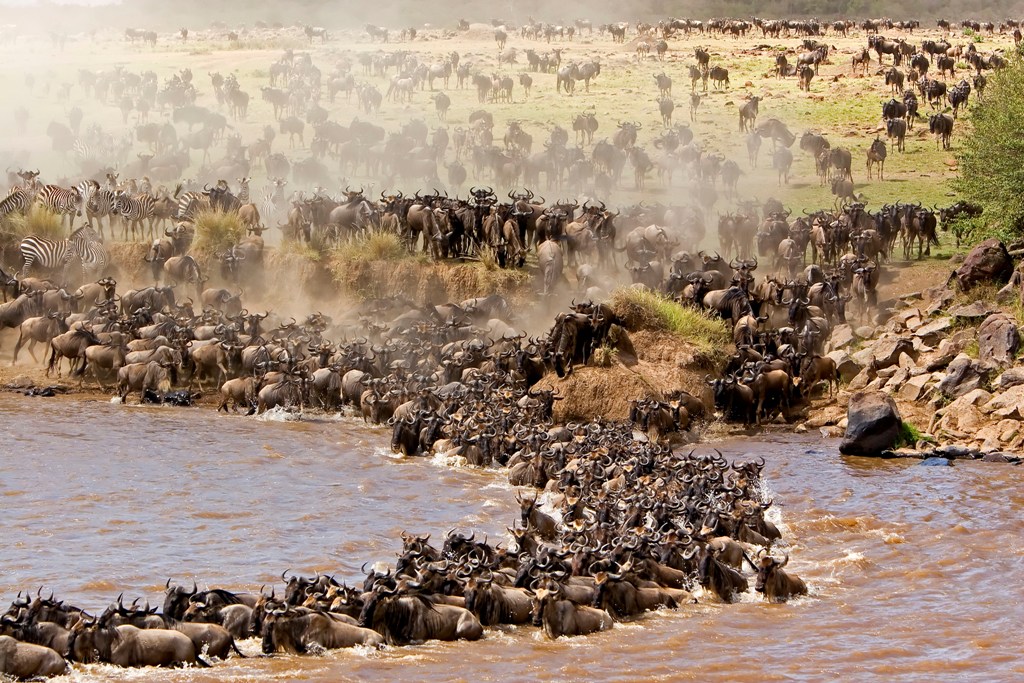 Safari TipsWhat Is the Best Time to Visit Tanzania? Safari, Weather & Zanzibar GuideMonth-by-month guide to the best time to visit Tanzania for safari, the Great Migration, calving season, Kilimanjaro and Zanzibar, with rainy-season, budget…Read article →
 Safari TipsIs Tanzania Safe for Tourists? What Travelers Should KnowIs Tanzania safe? A realistic guide to safari, parks, cities, Zanzibar, Kilimanjaro, road and health safety, current travel advice, emergency numbers and…Read article →
 Safari TipsCan I See All Five Big Five Animals on One Tanzania Safari?Yes, you can see the Big Five in Tanzania. Learn which parks are best, the ideal route and season, how many days…Read article →