
Planning Your First Tanzania Safari: Everything You Need to Know
Best time to go, what to pack, how many days you actually need — the practical questions every first-time safari traveler asks, answered.
Tanzania safari planning for your first trip is exciting. But it can also feel confusing. Tanzania has some of Africa's best-known wildlife areas. They range from the vast plains of the Serengeti to the dramatic Ngorongoro Crater. You will also find the elephant-filled land of Tarangire and the remote wilds of Ruaha.
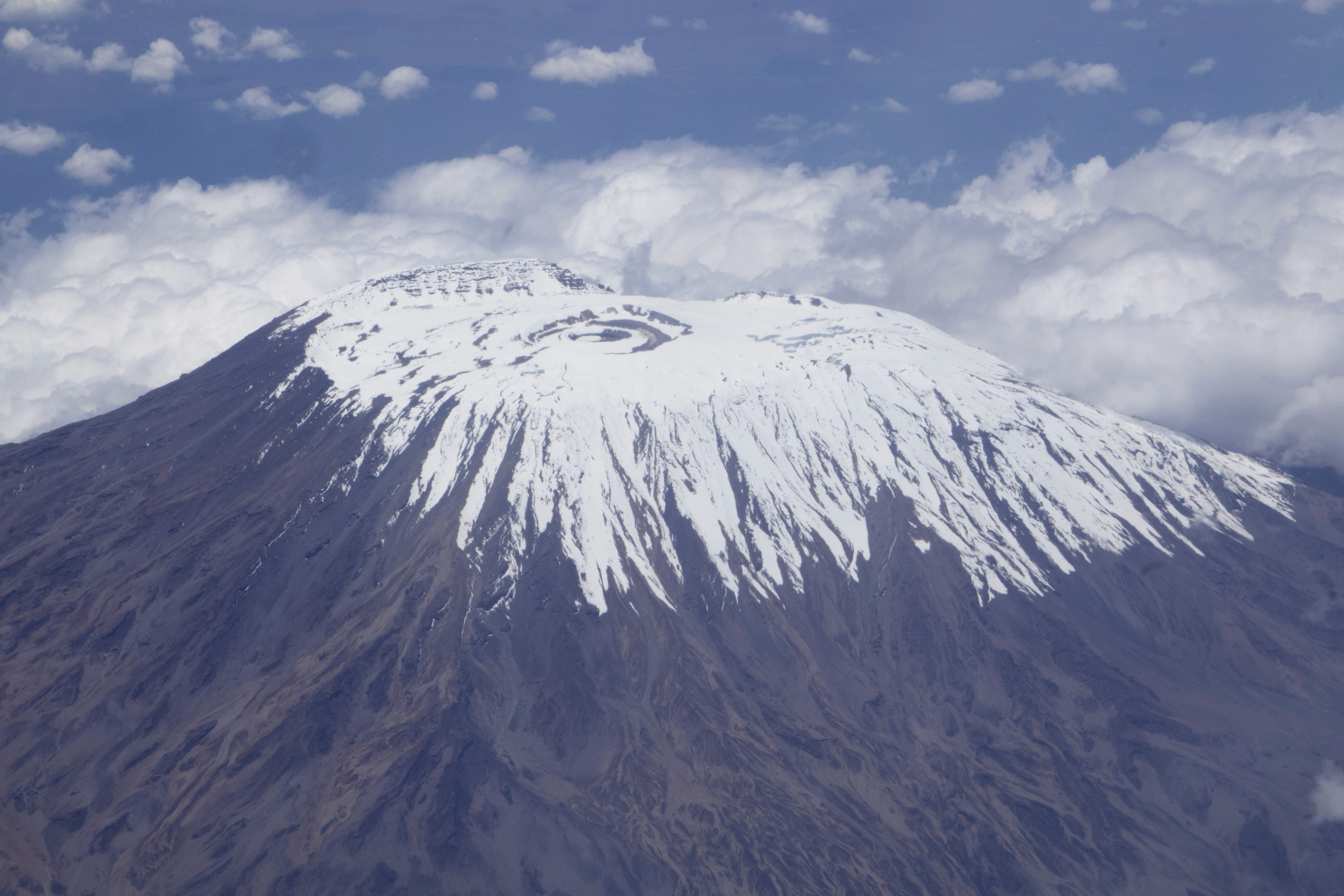
You can also pair your safari with Mount Kilimanjaro, local culture and a beach holiday in Zanzibar. The best Tanzania safari isn't about visiting as many parks as you can. It depends on your dates, budget, interests and how you want to enjoy wildlife. So this guide walks you through all you need to know about Tanzania safari planning before you book.
Not Sure Where to Start?
Tell us your dates, budget and interests, and we’ll build a Tanzania itinerary around what you actually want to see.
Tanzania Safari Planning: Why Choose Tanzania for Your First Safari?
Tanzania combines exceptional wildlife with huge, varied landscapes. You can see open Serengeti plains, Tarangire’s baobab country and Lake Manyara’s forests and wetlands. Then there are the Ngorongoro highlands and the remote wilderness of the south. The Northern Safari Circuit is particularly popular with first-timers. It covers Tarangire, Lake Manyara, Ngorongoro and Serengeti. In fact, Tanzania’s own tourism board highlights these as the country’s key northern destinations.
Beyond wildlife, you can add Mount Kilimanjaro, Mount Meru, Zanzibar and Pemba Island to your trip. You can also add village visits, birdwatching, walking safaris and beach holidays. This variety makes Tanzania a great choice for a first visit.
What Is the Best Itinerary for Tanzania Safari Planning as a First-Timer?
No single itinerary is perfect for everyone. Still, a classic Northern Circuit (Tarangire → Ngorongoro → Serengeti) is a great place to start. For a short trip, focus on two places. For a longer trip, add Lake Manyara, more Serengeti nights or a southern park. The key idea is simple. Spend enough time in each place to enjoy it, rather than just collecting park names.
Tanzania Safari Planning: The Main Safari Areas
Northern Tanzania is the most popular area for first-time visitors. It has good roads and easy links between Serengeti, Ngorongoro, Tarangire, Lake Manyara and Arusha National Park. By contrast, Southern Tanzania (Nyerere, Ruaha and Mikumi) has fewer crowds, more wilderness and a more secluded feel. It suits travellers with more time, or those who have done the Northern Circuit. Neither is better by default. They just offer different experiences.
When Is the Best Time for Tanzania Safari Planning?
June to October is the most popular time for a classic safari. The weather is drier, the bush is thinner and wildlife viewing is excellent. But some areas get busier. January and February can be excellent in the north, with green landscapes and the Serengeti's calving season. November and December bring short rains that turn the land green, and maybe fewer visitors. Then March to May is the long-rain period. Travel can be harder, but the scenery is lovely and green and rates are often lower.
| Your Priority | Period to Consider |
|---|---|
| Classic dry-season safari | June–October |
| Green landscapes | November–May |
| Calving & young animals | January–February |
| Great Migration planning | Depends on the specific migration stage |
| Lower-season travel | Often during wetter periods |
| Safari + Zanzibar | June–October or January–February |
There's no single "best month". The right season depends on what you want to see, not what someone tells you is best.
Understanding the Great Migration
The Great Migration is the year-round movement of wildebeest, zebra and other plant-eaters. They follow rain and food. The most common mistake first-time travellers make is treating it like a set event. It isn't. Different parts of the Serengeti matter at different times of year. River crossings in particular are hard to predict. Even when herds are in the right area, there's no promise they'll cross while you're there. So a responsible safari planner should say this honestly rather than promise a crossing.
How Many Days Do You Need for Tanzania Safari Planning?
2–3 days is possible but limited. It works best for nearby places only. 4–5 days gives a good intro to Northern Tanzania. You can see two or three major places without a very long trip. 6–8 days is a great range for a first safari. You then have time to slow down and explore properly. 9–14 days gives real freedom. For example, you can combine safari with Zanzibar, Kilimanjaro or extra parks.
“A 7-day itinerary covering six destinations looks impressive on paper, but you’ll spend more time driving and packing than actually watching wildlife. Three well-chosen destinations in seven days is almost always the better safari.”
Private or Shared Safari?
A private safari gives your group its own vehicle and guide. Your plans are flexible, photos are easier and you don't have to share with strangers. As a result, it's a great fit for couples, families and photographers. A shared safari puts travellers from different bookings together. The big plus is price, so it's good for solo travellers and anyone on a budget. But you get less freedom.
How Much Should You Budget for Tanzania Safari Planning?
In Tanzania safari planning, there's no single price. It depends on days, lodging, season, group size, vehicle, guide, internal flights, activities and service level. Costs range from budget camping safaris to luxury trips well over a thousand dollars per person per day. So compare what you actually get, not just the final number. For example, a $3,000 and a $4,000 safari can look alike at first glance. Yet they can differ a lot in lodging, park access, vehicle, route and what's included.
Before Paying a Deposit, Confirm What’s Included
- Accommodation, meals, safari vehicle and professional guide
- Park fees and conservation fees
- Airport transfers and drinking water
- Internal flights and activities, if applicable
- What’s excluded: international flights, visas, insurance, tips, alcoholic drinks, optional activities
Tanzania Safari Planning: How to Choose the Right Accommodation
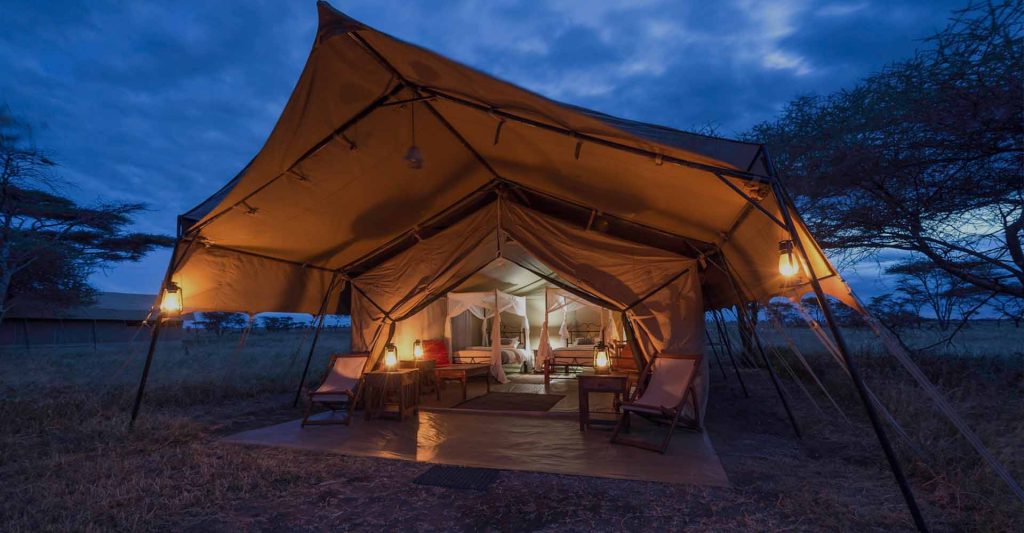
In Tanzania safari planning, options range from budget campsites to high-end lodges. Don't just pick the priciest place. Location often matters more than luxury. Ask yourself two questions. Where exactly is the property? How far will you travel each day to reach the wildlife? A comfy camp in the right spot beats a luxury one that means long daily drives.
What Makes a Good Safari Guide?
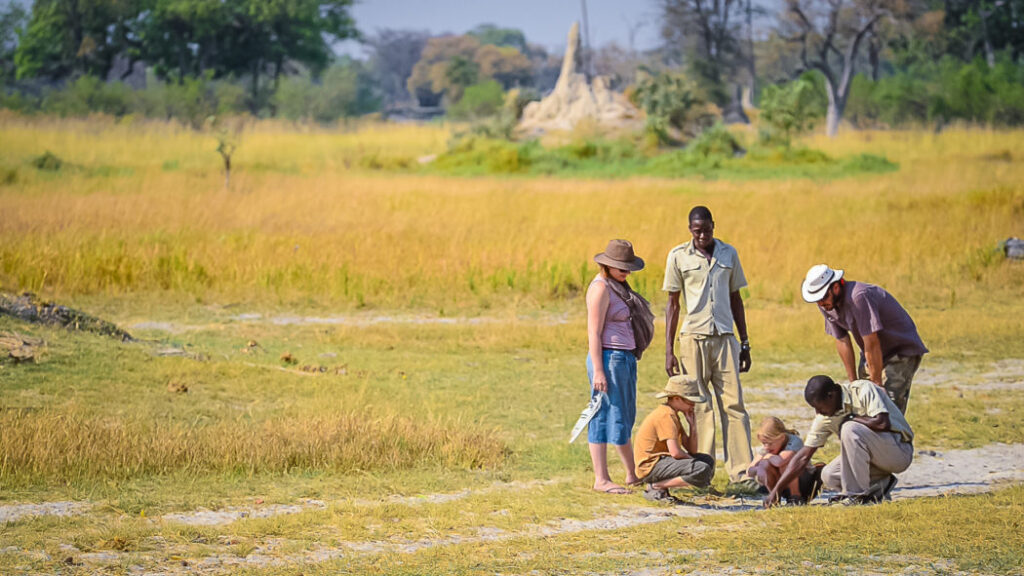
Your guide may be the most important person on your safari. A good guide knows animal behaviour, tracks, birds, plants, weather, geography, local history and safety. They also notice things you'd never see yourself. For example, a bird alarm-calling from a tree can signal a predator nearby. Fresh tracks can also show what passed before you arrived.
What Is a Typical Day on Safari?
Most days start early. You leave camp around sunrise, when it's cool and animals are active. This is often one of the best times for photos. Breakfast follows, then late-morning exploring before a midday break in the hottest hours. As it cools, game viewing picks up again in the afternoon. Then you return to camp before dark.
What Should You Pack?
You don't need your whole wardrobe. Bring light trousers, comfy shirts, a fleece or warm layer for cool mornings, comfy shoes, a hat and sunglasses. Neutral colours are handy but not a must.
The essentials are sunscreen, insect repellent, binoculars, a camera with spare batteries, a power bank, a reusable water bottle and personal medication. Soft bags are often easier than hard-shell suitcases. This matters most if your trip has internal flights with tighter weight limits.
In fact, most operators, including us, send a full packing list before your trip.
Health, Vaccinations & Visas
The CDC advises talking to a healthcare professional about routine vaccines and health needs for your destination before you travel. Malaria prevention matters for many visitors, since it occurs in parts of Tanzania, mostly at lower elevations. Simple steps include insect repellent, suitable clothing, safe water, good food hygiene and sun protection. Yellow fever rules depend partly on where you're travelling from. So check current rules if your trip includes another African country beforehand.
Visa rules depend on nationality. Tanzania's official immigration system generally advises a passport valid for at least six months with an unused visa page. You may also need a return ticket. Always check official guidance rather than trusting an unofficial visa website.
Tanzania Safari Planning: How to Choose a Safari Company
Don't choose on price alone. Instead, look at track record and real review patterns (not one isolated comment). Check whether the route makes sense on the map for your Tanzania safari planning. Also look at lodging quality, vehicle type and who will actually guide you. Clear communication matters too. So do open details on what's included and excluded, emergency support and clear payment and cancellation terms.
Questions Worth Asking Before You Book
- Is the safari private or shared, and how many people will be in the vehicle?
- Who will be our guide, and which accommodation will we use?
- Are park fees, conservation fees, meals and drinking water included?
- What’s excluded, and what’s the cancellation policy?
- What happens if our flight is delayed or weather disrupts the plan?
Safaris for Couples, Families & Solo Travellers
Couples often choose private safaris for freedom and privacy. Bush breakfasts, scenic lodges and a safari followed by Zanzibar make a memorable trip without an ultra-luxury budget. Families need a little more planning. Think about children's ages, driving distances, family rooms and enough downtime, since very long game drives can tire young children. Solo travellers can choose shared safaris to cut cost and meet other travellers. Or they can choose private safaris for more freedom at a higher per-person cost.
Should You Add Zanzibar or Kilimanjaro?
Safari + Zanzibar is one of the best combinations Tanzania offers. After days of wildlife viewing, Zanzibar's beaches, Stone Town, spice tours and diving give you a very different setting. A common plan is Tarangire → Ngorongoro → Serengeti → Zanzibar.
Kilimanjaro can also be added to a safari. But don't treat it as a simple day out. It takes several days, fitness training, time to adjust to the altitude and enough rest afterward. A Zanzibar beach stay is a relaxing way to end the journey.
Safari Etiquette & Responsible Travel
Keep your voice down and never ask your driver to chase wildlife. Don't feed animals, don't litter, and ask before taking photos of local people. Also be patient, since another vehicle may leave a sighting just before something amazing happens. When choosing an operator, look at their approach to conservation, local jobs, community benefit and wildlife welfare. After all, Tanzania is not just a backdrop for photos. It's home to people, wildlife and ecosystems that deserve respect.
Common Tanzania Safari Planning Mistakes First-Time Travellers Make
- Trying to see every famous park instead of choosing a few properly
- Choosing only by price rather than comparing real value
- Spending too little time in the Serengeti if it’s a major reason for the trip
- Expecting guaranteed sightings — wildlife doesn’t follow a schedule
- Booking accommodation without checking its location relative to the wildlife
- Packing too much, or forgetting warm clothing for cold mornings
- Not asking exactly what’s included in the price
A Classic 7-Day Tanzania Safari
| Day | Itinerary |
|---|---|
| 1 | Arrival in Arusha, rest before the safari begins |
| 2 | Tarangire National Park — full day of game viewing |
| 3 | Travel toward the Ngorongoro highlands |
| 4 | Ngorongoro Crater game drive |
| 5 | Travel to the Serengeti, wildlife viewing en route |
| 6 | Full day in the Serengeti |
| 7 | Final Serengeti game drive, departure or onward travel |
If you have more time, you can extend this naturally into Zanzibar for a beach finish. Or add Kilimanjaro beforehand for a mountain-plus-wildlife combination.
Frequently Asked Questions
Is Tanzania good for a first African safari?
Yes. Tanzania offers great wildlife, varied landscapes and well-known safari routes. You can also combine safari with Kilimanjaro and Zanzibar.
How many days should I spend on safari?
Five to eight days is a strong start for most first-time travellers. Longer trips allow a slower pace and extra places to visit.
What are the best parks for a first Tanzania safari?
Serengeti, Ngorongoro and Tarangire are among the best choices. Lake Manyara is a great extra if you have more time.
What is the best month for a Tanzania safari?
June to October is popular for dry-season viewing. But January and February can be excellent in the north for green landscapes and calving season.
Can I visit during the rainy season?
Yes. Rain doesn't necessarily ruin a safari. In fact, the land can be lovely and green, with fewer visitors and often lower prices.
Is a private safari better than a shared one?
Private safaris offer more freedom and privacy. By contrast, shared safaris cost less and can suit solo and budget travellers.
Do I need a guide?
Yes. A traditional Tanzania safari strongly recommends an experienced professional guide. They bring wildlife knowledge, navigation and safety.
Can I see the Big Five?
You have real chances to see lion, leopard, elephant, buffalo and rhino. But sightings are never guaranteed, since wildlife is free-ranging.
Is the Great Migration guaranteed?
No. The migration follows the weather and food. So events like river crossings can never be promised.
Do I need travel insurance?
It is strongly recommended, because safari areas can be remote and medical evacuation can be costly.
Do I need malaria medication?
Malaria risk exists in parts of Tanzania. So talk with a qualified healthcare professional about your trip and ways to prevent it.
Final Thoughts on Tanzania Safari Planning
Tanzania safari planning doesn't need to be complicated. First, decide what you want to see and do. Then choose the region, season, route and lodging around that goal. Most of all, don't measure success by the number of animals you photograph. A Tanzania safari is about slowing down. It means watching nature unfold in a place where animals are free to behave naturally.
Ready to Plan Your Own Safari?
Tell us what you have in mind and we will design a tailor-made Tanzania itinerary around your dates, pace and interests.
- Tailor-made itineraries
- Local Tanzania safari specialists
- Free advice, no obligation
Keep Reading
All posts →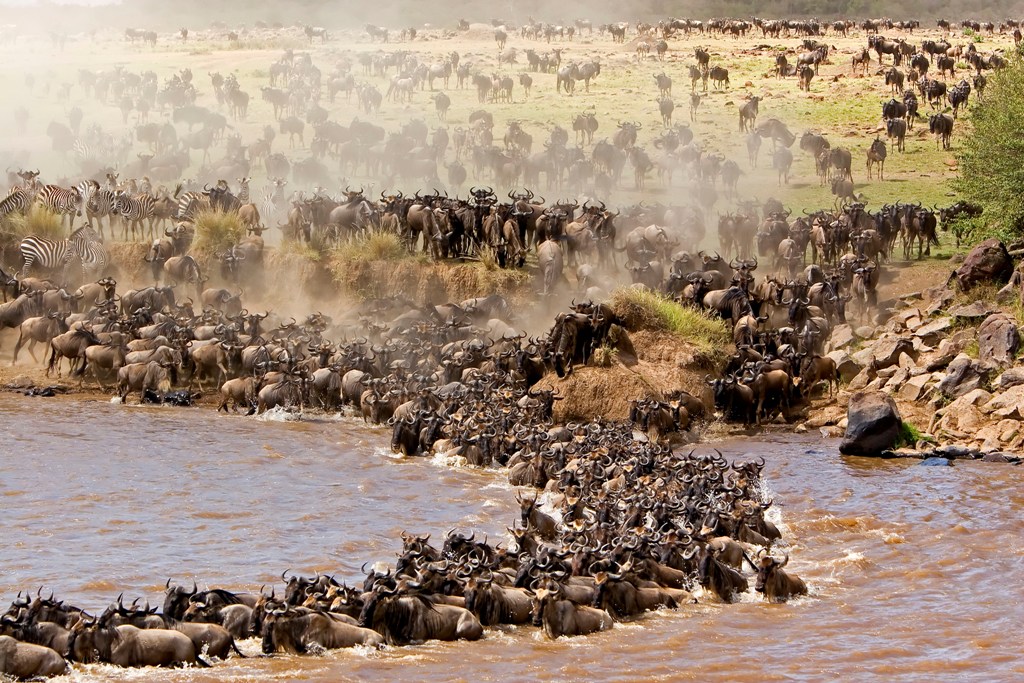 Safari TipsWhat Is the Best Time to Visit Tanzania? Safari, Weather & Zanzibar GuideMonth-by-month guide to the best time to visit Tanzania for safari, the Great Migration, calving season, Kilimanjaro and Zanzibar, with rainy-season, budget…Read article →
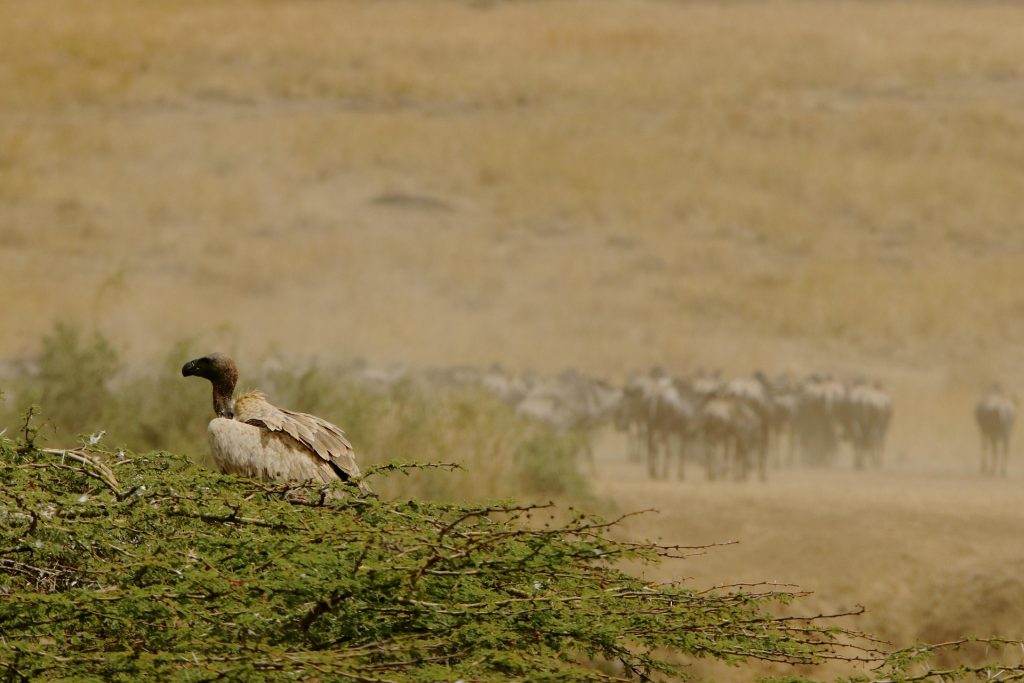 Safari TipsIs Tanzania Safe for Tourists? What Travelers Should KnowIs Tanzania safe? A realistic guide to safari, parks, cities, Zanzibar, Kilimanjaro, road and health safety, current travel advice, emergency numbers and…Read article →
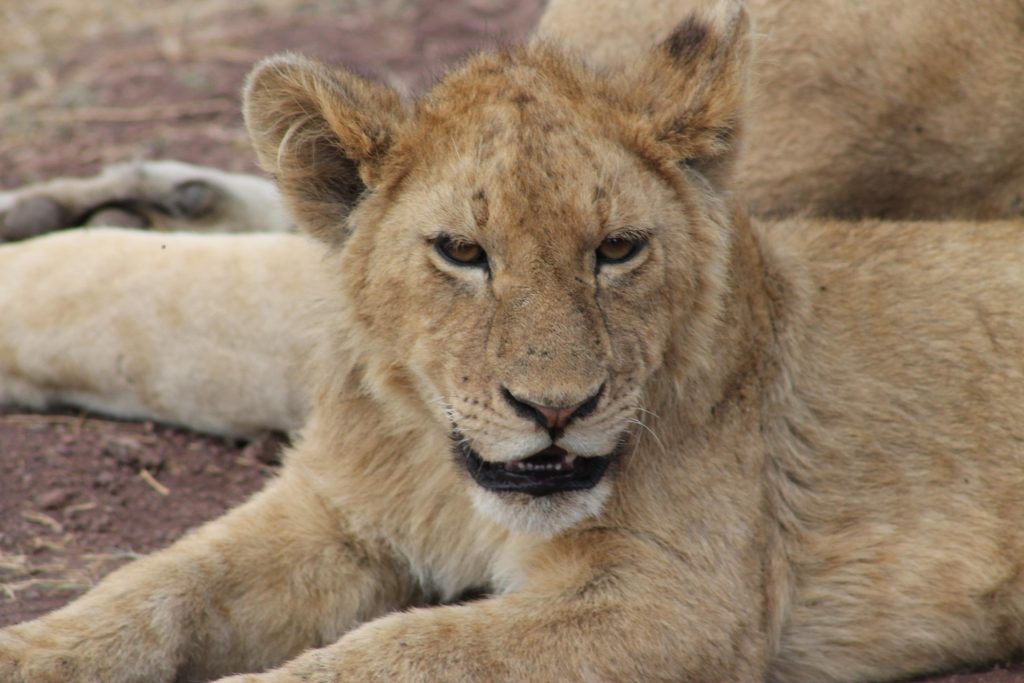 Safari TipsCan I See All Five Big Five Animals on One Tanzania Safari?Yes, you can see the Big Five in Tanzania. Learn which parks are best, the ideal route and season, how many days…Read article →