
Why Tanzania Should Be Your Next Safari Destination
From the endless plains of the Serengeti to the crater floor of Ngorongoro, Tanzania offers a concentration of wildlife and landscapes few destinations on earth can match.
Are you choosing where to take your first, or fifth, African safari? A Tanzania safari belongs at the top of your list. It is home to the Serengeti, the Ngorongoro Crater, Tarangire, and Lake Manyara. These four ecosystems lie a few hours' drive from each other, and each has its own character.
Not Sure Which Parks to Include?
First, tell us your travel dates and interests. Then our local team will plan a route around what you want to see.
An Unmatched Concentration of Wildlife on a Tanzania Safari
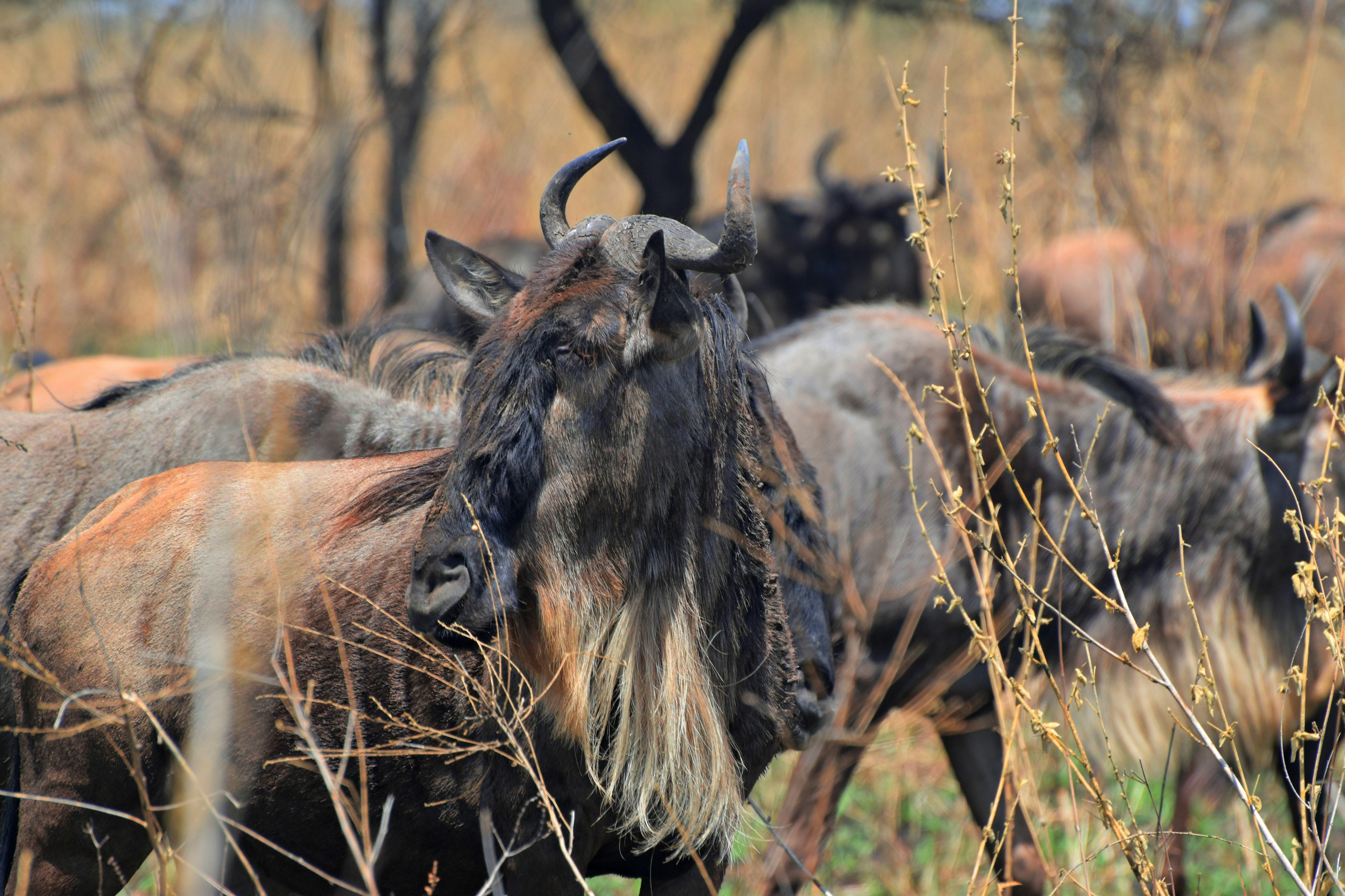
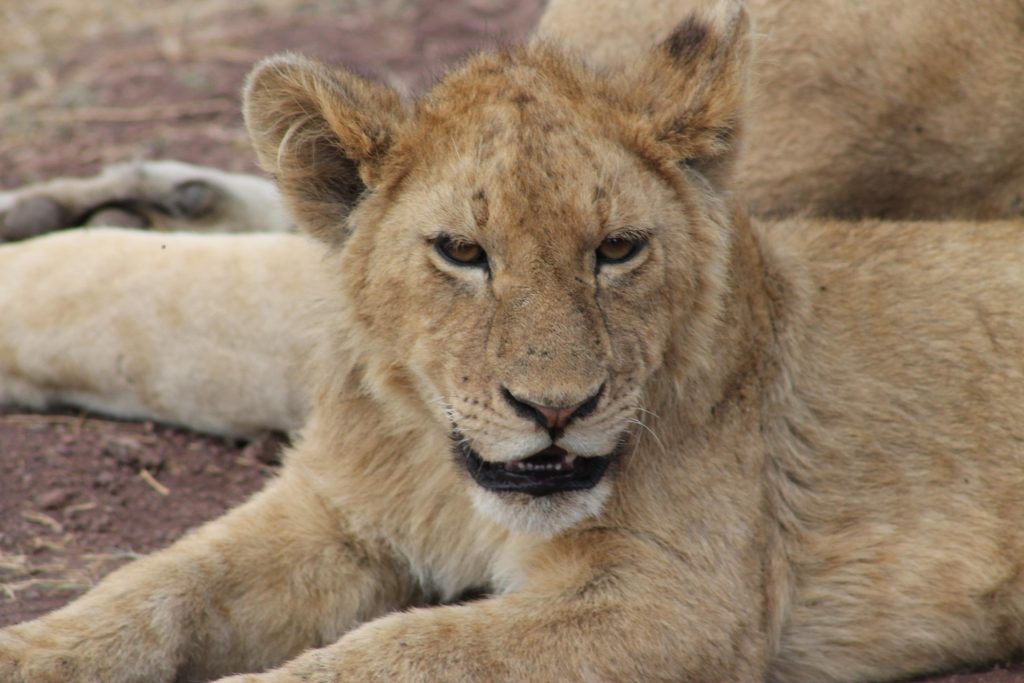
Tanzania’s northern circuit holds one of the highest densities of large mammals anywhere on the continent. For example, the Serengeti alone supports over two million wildebeest. It also shelters hundreds of thousands of zebra. Healthy populations of lion, leopard, elephant, and rhino live there too.
Ngorongoro Crater packs in even more animals. Its floor, roughly 260 square kilometres, is fenced in by 600-metre walls on every side. So the wildlife rarely leaves.
The Serengeti-Mara ecosystem supports over 1.5 million wildebeest. Roughly 250,000 zebra join them on their yearly migration circuit.
The Great Migration, Up Close on a Tanzania Safari
No wildlife event on the planet is as big as the Great Migration. Depending on when you go, you might see the chaos of a Mara River crossing. Or you might enjoy the calm of calving season on the southern plains.
In fact, the migration is a cycle that runs all year, not a single event.
“Because the migration never really stops, there’s rarely a wrong time to see it — only a different chapter of the same story.”
Beyond the Big Five: Ecosystems and Landscapes
Tarangire's baobab-studded plains. Its seasonal river draws the largest elephant herds in the region, especially in the dry season.
Lake Manyara's groundwater forest. It is famous for tree-climbing lions. Birds are also thick along the lake shore.
The Serengeti's shifting terrain. Open grassland in the south gives way to acacia woodland in the north.
How a Tanzania Safari Compares
| What Matters | Tanzania | Typical Alternatives |
|---|---|---|
| Wildlife density | Among the highest on the continent | Varies widely by park |
| Great Migration access | Full circuit within one country | Often split across borders |
| Beach extension | Zanzibar, a short flight away | Usually a separate trip |
| Trekking option | Kilimanjaro, same region | Rarely available nearby |
Culture Alongside the Wildlife
Besides wildlife, Maasai communities live alongside several of the parks. They welcome respectful visits that go beyond a photo stop.
When to Go on a Tanzania Safari
A Tanzania safari works all year. However, the dry season, roughly June to October, is the easiest time to spot wildlife.
Is a Tanzania Safari Right for Your Next Trip?
- You want to see a genuinely high concentration of wildlife, not just a chance sighting
- You'd like the option to combine safari with a beach extension
- You're open to a multi-park trip rather than one single reserve
- You want a destination with year-round appeal, not a narrow season
Frequently Asked Questions
What is the best month to see the Great Migration?
River crossings in the northern Serengeti are most likely around June and July. Calving season, in contrast, runs December through March.
How many national parks should a first Tanzania safari include?
For a first trip, three to four parks over five to seven days give a good first look.
Is Tanzania safe for solo and first-time safari travellers?
Yes. Travelling with a trusted local operator makes Tanzania easy and comfortable. This is true for first-time and solo travellers alike.
Whichever mix you choose, a Tanzania safari offers something rare. Here, wildlife, landscape, and culture meet on a scale that's hard to find anywhere else.
Ready to Plan Your Own Safari?
Tell us what you have in mind and we will design a tailor-made Tanzania itinerary around your dates, pace and interests.
- Tailor-made itineraries
- Local Tanzania safari specialists
- Free advice, no obligation
Keep Reading
All posts →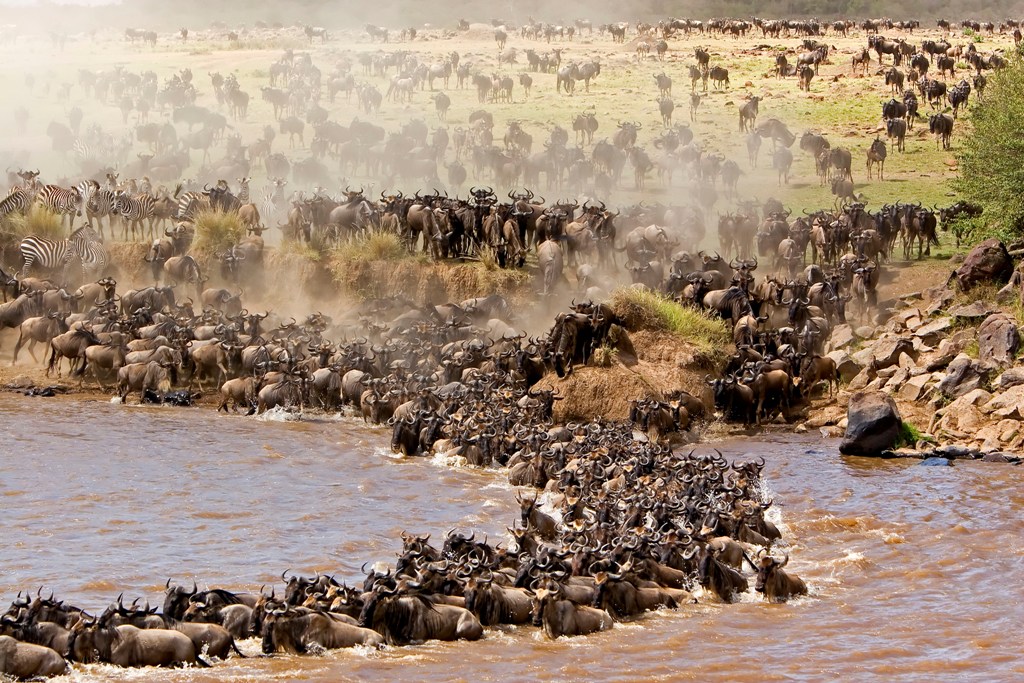 Safari TipsWhat Is the Best Time to Visit Tanzania? Safari, Weather & Zanzibar GuideMonth-by-month guide to the best time to visit Tanzania for safari, the Great Migration, calving season, Kilimanjaro and Zanzibar, with rainy-season, budget…Read article →
 Safari TipsIs Tanzania Safe for Tourists? What Travelers Should KnowIs Tanzania safe? A realistic guide to safari, parks, cities, Zanzibar, Kilimanjaro, road and health safety, current travel advice, emergency numbers and…Read article →
 Safari TipsCan I See All Five Big Five Animals on One Tanzania Safari?Yes, you can see the Big Five in Tanzania. Learn which parks are best, the ideal route and season, how many days…Read article →