Tanzania Safari Tips: 25 Things I Wish Every First-Time Traveler Knew
Practical advice from our Tanzania safari experts: 25 things every first-time traveler should know about seasons, guides, packing, costs and what to expect.
A first safari in Tanzania can be the trip of a lifetime, and good Tanzania safari tips make it even better. But it is very different from an ordinary holiday.

You may spend hours in a safari vehicle, wake up before sunrise and travel on rough roads. The weather can change, and you may suddenly watch a lion only a few metres away. In fact, the best safari moments often come from knowing what to expect. That is where practical Tanzania safari tips help.
We have helped many travellers plan Tanzania safaris. Our safari experts have seen the same questions and mistakes again and again. So these Tanzania safari tips come from real experience.
So, if you are planning your first Tanzania safari, here are 25 Tanzania safari tips we wish every traveller knew before arriving.
1. Tanzania safari tips start here: your safari is not just about seeing the Big Five
Many first-time travelers arrive with one goal: seeing the Big Five.
There is nothing wrong with that. Lions, leopards, elephants, buffalo and rhinos are amazing animals.
However, Tanzania offers much more.
For example, you may meet cheetahs, giraffes, zebras, wildebeest, hippos, hyenas, jackals, warthogs, gazelles, baboons, monkeys, birds of prey and hundreds of other species.
Some of the best moments are not about rare animals at all.
It could be elephants playing together beside your vehicle. Or you might see a giraffe walking across an open plain at sunset, hear a distant lion call before sunrise, or watch thousands of wildebeest move across the landscape.
Go looking for wildlife, not just a checklist.
2. Tanzania safari tips for parks: you do not need to see every park
One of the biggest mistakes first-time visitors make is trying to fit too many destinations into a short safari.
Tanzania is huge, and safari areas can be far apart.
For example, if you have five days, you do not need five parks.
Instead of moving from hotel to hotel, choose a well-planned route with enough time in each place.
For a first Northern Tanzania safari, a combination such as:
Tarangire + Ngorongoro + Serengeti
can give you a great first look at the country's wildlife and landscapes.
Lake Manyara can also be worth a visit, depending on your interests and route.
3. Tanzania safari tips for seasons: choose based on what you want to see
There is no single “best month” for every traveler.
Your ideal time depends on your priorities.
If you want dry weather and great wildlife viewing, June to October is a popular choice.
If you want to see wildebeest calving and more predator action, January and February can be very rewarding in the southern Serengeti ecosystem.
The green season can bring lovely landscapes, fewer visitors in some areas and great photography.
So don’t simply ask:
“What is the best month for a Tanzania safari?”
Ask:
“What do I want to experience?”
That question leads to a much better itinerary.
4. The Great Migration does not happen in one place all year
People often describe the Great Migration as if millions of animals stay in the Serengeti, then leave on one set date.
In reality, it is far more complex than that.
The herds move through the Serengeti ecosystem, following food, water, rain and the seasons.
So choosing accommodation in the right area can matter as much as choosing the right month.
If your main goal is to see the migration, tell your safari planner exactly what you want before booking.
Also, do not book a generic “Great Migration safari” without asking where the itinerary will actually take you.
5. River crossings are not guaranteed
Many people think they can simply arrive in northern Serengeti during migration season and watch a dramatic river crossing. But this is a common mistake.
Wildlife does not follow a human itinerary.
A crossing depends on herd movement, weather, water levels and animal behaviour.
Even if thousands of wildebeest are near a river, they may not cross while you are there.
So a good safari does not depend on one single event.
In fact, the migration is spectacular, whether you see a river crossing or not.
6. Tanzania safari tips on guides: do not underestimate how important your guide is
Your safari vehicle matters.
So does your accommodation.
The location of your camp matters too.
But your guide can shape your whole safari.
A skilled guide can help you understand animal behaviour, name birds, read tracks and explain the land. Your guide also helps decide where to spend time.
A good guide also knows that safari is not just about collecting sightings.
Before booking, ask how the company selects and supports its guides.
7. You will probably wake up earlier than you expect
Safari days often begin early.
Wildlife tends to be active in the cooler hours around sunrise. An early start can feel very different from starting later in the morning.
For example, you might leave camp while it is still dark, watch the sunrise from the vehicle and spend the first hours searching for wildlife.
It can be tempting to sleep in after a long travel day.
But some of your best sightings may happen before breakfast.
8. Tanzania safari tips for the road: safari roads can be rough
A Tanzania safari is not always a smooth drive on a paved highway.
Many game-drive roads are unpaved. Depending on the season, some can be rough, dusty, muddy or corrugated.
If you suffer from motion sickness, prepare for it.
Bring any medicine you normally use, and try sitting where the ride is smoother.
Comfortable clothing also makes a big difference.
And remember: the rough road is part of getting into wild places.
9. Tanzania safari tips for packing: pack lighter than you think
You do not need a huge suitcase for a safari.
Too much luggage can be a problem, especially if your trip includes small planes or local flights with strict bag limits.
A practical safari bag should focus on essentials:
- Lightweight clothing
- Warm layers
- Comfy trousers
- Comfy walking shoes
- Sun protection
- Sunglasses
- Hat
- Insect repellent
- Sunscreen
- Camera gear
- Binoculars
- Personal medicines
- Toiletries
- Small first-aid supplies
Pack for what works, not for fashion.
10. Bring layers
Tanzania can feel very cold in the early morning, especially in higher areas such as the Ngorongoro Highlands.
Later in the day, it can become warm.
So layers are often the best way to dress on safari.
You might begin the morning wearing:
- A long-sleeved shirt
- Fleece or sweater
- Light jacket
By midday, you may remove most of those layers.
But a warm jacket is one item first-time safari travellers often wish they had packed.
11. Neutral colours are practical
You do not need a complete safari wardrobe.
Earth tones such as beige, khaki, olive and brown are practical. They hide dust better than very light clothing and blend in outdoors.
The most important thing is comfort.
You do not need expensive safari clothing to enjoy Tanzania.
Comfortable, breathable clothing is worth more than a designer safari outfit.
12. Bring binoculars
This is one of the most useful pieces of equipment you can bring.
A pair of binoculars can change your whole safari.
Animals are not always close to the vehicle.
For example, a leopard may rest high in a tree. An eagle may circle overhead. A distant herd may be several hundred metres away.
Your camera may capture the moment, but binoculars let you watch it properly.
If you share a vehicle, your own pair means you never wait for someone else to finish with theirs.
13. Do not expect your phone camera to capture everything
Modern phones can take great photos.
But wildlife photos are hard to take.
Animals may be far away, moving quickly or hidden in vegetation.
If photos matter to you, think about bringing a camera with a good telephoto lens.
And remember something important:
A safari is not a photo contest.
Sometimes, put the camera down and simply watch.
After all, you will remember the moments more than the number of photos you took.
14. You do not have to sit inside the vehicle all day
A safari is more than game drives.
Depending on the area and its rules, your trip may include walks, cultural visits, birdwatching or other nature activities.
Walking can change how you see the African landscape.
Instead of looking for animals from a vehicle, you start to notice tracks, insects, plants, sounds and small details.
So ask your safari company which activities you can do in the areas you will visit.
15. Your safari vehicle matters
Not all safari vehicles give the same experience.
A good safari vehicle should be comfortable, well kept and built for rough ground.
For many travelers, a private 4×4 with a pop-up roof provides excellent flexibility.
A private vehicle also lets you stay longer at sightings you like, rather than follow someone else's schedule.
If your budget is tight, sharing can cut the cost.
But always ask how many people will be in the vehicle.
16. Tanzania safari tips on pricing: ask exactly what your safari price includes
Never compare safari prices using the headline price alone.
For example, two companies can quote very different prices for what looks like the same safari.
Before paying a deposit, ask whether the price includes:
- Accommodation
- Park fees
- Safari vehicle
- Trained guide
- Meals
- Airport transfers
- Drinking water
- Internal flights
- Activities
- Crater fees where they apply
- Accommodation before or after the safari
Also ask what is excluded.
After all, a cheaper quote may cost more once all extra costs are added.
17. Tanzania safari tips on gratuities: budget for tips
Tipping is an important part of safari culture. It is a common way to thank people for good service.
Depending on your safari style and accommodation, your guide, camp staff and others may share in tips.
Instead of waiting until the last morning and wondering what to do, ask your safari company about usual tipping customs before your trip.
That way, you can plan your budget.
18. Do not judge a safari only by the number of animals you see
It is easy to think:
“How many lions did we see?”
But experienced safari travellers often remember something very different.
They remember the silence.
The sunrise.
The smell of the earth after rain.
And the sound of birds.
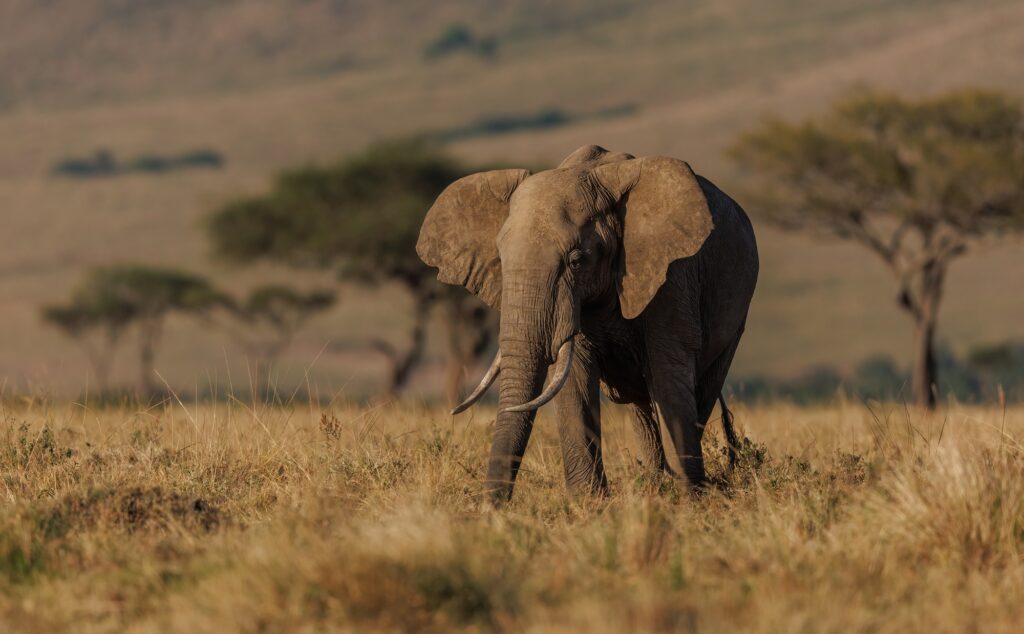
An elephant walking across the road.
A lion calling in the distance.
A guide explaining something that they had never noticed before.
Safari is an experience, not an animal-counting competition.
19. Tanzania safari tips for planning: give yourself enough time
If you can, avoid trying to see Tanzania in only two or three days.
A short safari can still be great, but extra days give you more freedom.
Wildlife is unpredictable.
For example, you may spend one morning searching for a particular animal without success. Then you may find it the next afternoon.
For many first-time travellers, about five to seven safari days feel far better than rushing through several parks.
20. Your accommodation location can matter more than luxury
A beautiful lodge is wonderful.
But on safari, location matters a lot.
Two lodges may have similar rooms and facilities. Yet they may give very different access to the areas you want to explore.
This matters most during seasonal wildlife events.
Instead of asking only:
“Is this lodge luxurious?”
also ask:
“Where exactly is it located, and how does that location fit our safari plan?”
21. Do not assume every safari day will look the same
One day may be filled with wildlife sightings.
Another may involve long drives and fewer animals.
That is normal.
Wildlife is wild.
There are no guarantees.
Weather, animal movements, water, plants and other factors all shape what you see.
The best travelers know this before they arrive.
If you expect every day to look like a wildlife documentary, you may be disappointed.
But if you accept that nature is unpredictable, the quiet days become part of the adventure.
22. Tanzania safari tips for health: take health preparation seriously
Tanzania is a wonderful outdoor destination, but you should prepare well for it.

Travel health advice can depend on your trip, medical history and activities.
The CDC currently recommends that travellers check their routine vaccinations and get professional travel-health advice before visiting Tanzania. Malaria is also a risk in Tanzania. Travellers should talk about prevention with a qualified healthcare professional. Preventing insect bites is important too.
Do not wait until the night before your flight to think about your health.
Give yourself enough time to speak with a travel-health professional.
23. Drink enough water
Safari can dry you out more than you expect.
You may spend hours in a vehicle under strong sun, even when it does not feel very hot.
Drink water regularly.
A good safari company will usually provide drinking water, but check this before you travel.
Also carry sunscreen, sunglasses and a hat.
Sun protection matters even more when you spend most of the day outdoors.
24. Tanzania safari tips for visas: check your requirements before booking everything
Visa requirements depend on nationality and circumstances.
If you need a visa, use the official Tanzania Immigration system. Do not rely on random websites or unofficial agents.
Current official guidance says applicants should have a passport valid for at least six months, with at least one unused visa page. Visitors may also need to show a return ticket on arrival. Immigration also notes that visa rules can change.
Before your trip, check the requirements for your nationality, especially if your country is in a special or referral visa category.
25. Leave room for the unexpected
This may be the most important tip of all.
So do not plan your safari so tightly that every minute must follow a schedule.
Perhaps your guide finds a leopard.
Perhaps elephants block the road.
You might discover a beautiful viewpoint.
Or you may spend an hour watching a pride of lions doing absolutely nothing.
Those unexpected moments are often the ones you remember for years.
Let your safari breathe.
Tanzania Safari Tips: What Should You Pack?
A simple packing list can include:
Clothing
- Lightweight shirts
- Long-sleeved shirts
- Comfy trousers
- Shorts for warm afternoons
- Fleece or sweater
- Light jacket
- Comfy shoes
- Socks
- Underwear
- Sleepwear
Safari essentials
- Binoculars
- Camera
- Extra batteries
- Memory cards
- Power bank
- Sunglasses
- Hat
- Sunscreen
- Insect repellent
- Reusable water bottle
Personal items
- Passport
- Visa papers where needed
- Travel insurance details
- Prescription medicines
- Basic first-aid supplies
- Hand sanitizer
- Toiletries
The CDC's Tanzania packing advice also suggests items such as insect repellent, sunscreen, personal medicines and basic health supplies.
Tanzania Safari Tips: What Should You Not Bring?
In general, you do not need to bring your entire wardrobe.
Avoid overpacking:
- Heavy formal clothing
- Too many shoes
- Too many cosmetics
- Large hard-shell bags if your trip involves small planes
- Costly jewellery
- Extra electronics
The goal is to travel in comfort.
Tanzania Safari Tips on Money: How Much Should You Carry?
You usually pay most major safari costs before or during booking. But it helps to have some money on hand for personal expenses.
You may need money for:
- Tips
- Souvenirs
- Drinks or personal purchases
- Optional activities
- Small buys on cultural visits
Ask your safari company what is already included, so you do not carry more cash than you need.
Should You Combine a Safari With Zanzibar?
Absolutely, if your schedule allows.
A Tanzania safari and a Zanzibar beach holiday go very well together.
A typical trip could look like:
- Day 1: Arrival in Tanzania
- Days 2–3: Tarangire and Ngorongoro
- Days 4–6: Serengeti
- Day 7: Return toward Arusha or fly onward
- Days 8–11: Zanzibar
- Day 12: Departure
This gives you two very different experiences.
The safari provides wildlife, landscapes and adventure.
Zanzibar offers beaches, Swahili culture, history and the Indian Ocean.
Tanzania Safari Tips: What Are the Biggest First-Time Mistakes?
The most common mistakes include:
- Trying to visit too many parks.
- Picking a route based only on the cheapest price.
- Ignoring travel time between places.
- Packing too much.
- Forgetting warm clothes for early mornings.
- Not bringing binoculars.
- Expecting every animal sighting to be guaranteed.
- Booking the wrong location for a seasonal wildlife event.
- Failing to check what is included in the safari price.
- Spending the entire trip looking through a camera.
- Not allowing enough time for the safari.
- Planning every moment without flexibility.
If you avoid these mistakes, your safari will usually feel much more relaxed.
What Is the Best Tanzania Safari for a First-Time Traveler?
There is no single itinerary that is perfect for everyone.
For many first-time visitors to Northern Tanzania, however, Tarangire, Ngorongoro and Serengeti together make a great start.
Tarangire gives you elephants, baobabs and many kinds of wildlife.
Ngorongoro packs an amazing amount of wildlife into a dramatic volcanic landscape.
Serengeti gives you vast plains and some of Africa's most famous wildlife sights.
Then adjust the plan to your travel dates, budget and interests.
If your priority is the Great Migration, build the itinerary around where the herds are in each season. Do not simply add Serengeti to a standard package.
Final Advice: Tanzania Safari Tips From Our Experts
Your first Tanzania safari does not need to be perfect.
You do not need to see every famous animal.
You do not need the most expensive lodge.
Nor do you need the longest itinerary.
What matters most is a few simple choices. Choose the right season, build a sensible route and allow enough time. Then work with a good guide and arrive ready for the real world of safari travel.
Most of all, remember that you are entering the wild.
The animals do not perform on schedule.
The weather cannot be controlled.
Some roads may be rough.
Your best sighting may happen five minutes after you thought the game drive was over.
Not knowing what comes next is exactly what makes a Tanzania safari special.
So come ready, stay curious, be patient and give yourself time to enjoy it.
The best safari is not the one where everything goes to plan. It is the one that leaves you with memories you never planned for.
Frequently Asked Questions About Tanzania Safari Tips
Is Tanzania good for first-time safari travelers?
Yes. Tanzania offers many safari places, stays and wildlife sights, so it suits a first African safari.
How many days should a first-time traveler spend on safari?
About five to seven days is a good start for many travellers. Longer trips give more freedom and feel less rushed.
What should I wear on a Tanzania safari?
Wear comfortable, breathable clothing and bring layers. Plain colours such as khaki, beige and olive are practical. A warm layer is also useful for early mornings.
Do I need binoculars for safari?
They are not required, but we highly recommend them. They help most with distant animals and birds.
Is Tanzania safe for a safari?
Safaris are generally well run. Still, travellers should follow their guide's instructions, keep a safe distance from wildlife and take normal travel-health and safety care.
Will I see the Big Five?
You may, but sightings are never guaranteed. Your chances depend on the destination, season, guide, time and wildlife movements.
Is the Great Migration guaranteed?
No. The migration is a natural process. So the herds move as conditions change.
Is Tanzania expensive for a safari?
Tanzania can suit different budgets. The biggest factors are accommodation, private or shared travel, season, trip length, park fees, vehicles and extra activities.
Do I need travel insurance?
Travel insurance is strongly recommended. Choose cover for medical care, trip interruption and emergency evacuation.
What is the single best tip for a first Tanzania safari?
Do not rush.
Give yourself enough time, choose an itinerary based on your priorities and let your guide respond to what is happening in the wild.
That is when Tanzania becomes more than a holiday—it becomes a real safari.
Planning your Tanzania safari?
Tell us your dates, interests and budget and our Arusha-based team will design a tailor-made itinerary for you — no obligation.
Ready to Plan Your Own Safari?
Tell us what you have in mind and we will design a tailor-made Tanzania itinerary around your dates, pace and interests.
- Tailor-made itineraries
- Local Tanzania safari specialists
- Free advice, no obligation
Keep Reading
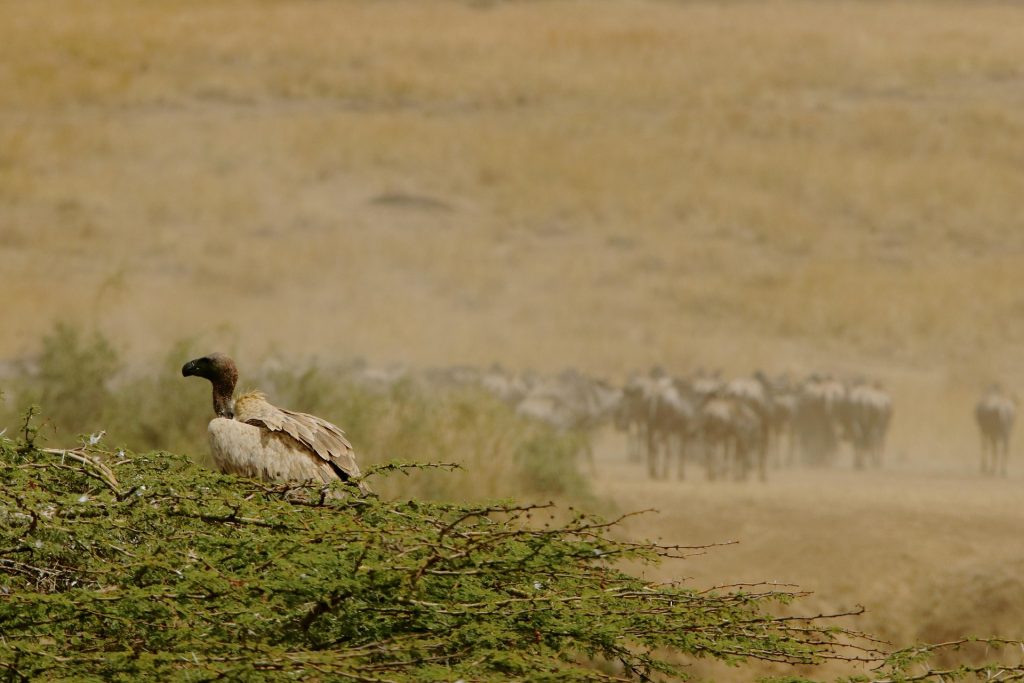
All posts →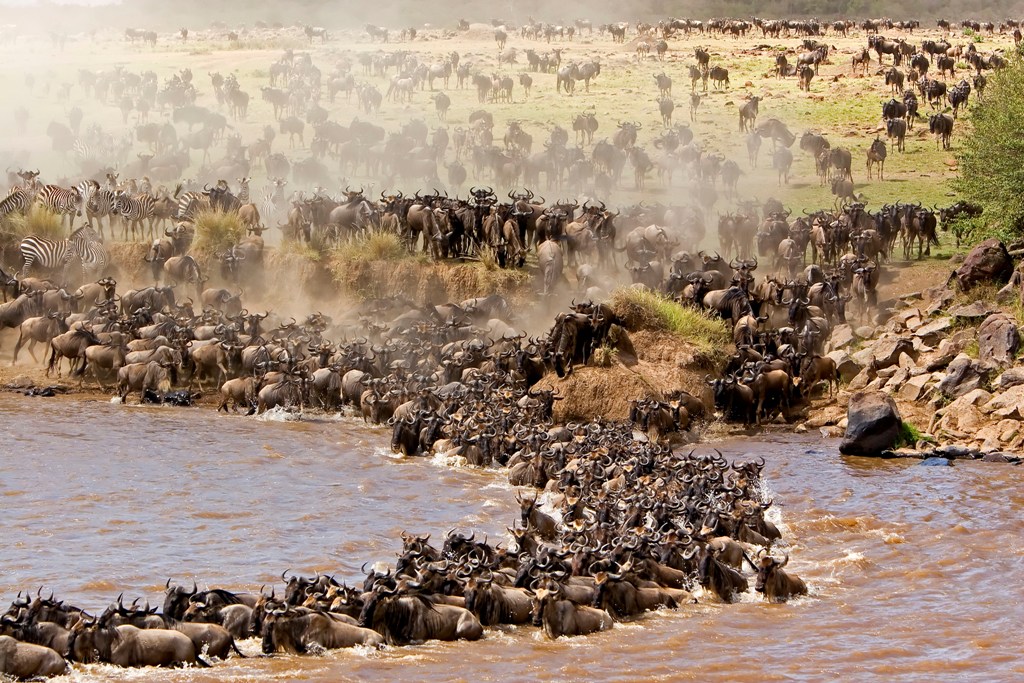 Safari TipsWhat Is the Best Time to Visit Tanzania? Safari, Weather & Zanzibar GuideMonth-by-month guide to the best time to visit Tanzania for safari, the Great Migration, calving season, Kilimanjaro and Zanzibar, with rainy-season, budget…Read article →
 Safari TipsIs Tanzania Safe for Tourists? What Travelers Should KnowIs Tanzania safe? A realistic guide to safari, parks, cities, Zanzibar, Kilimanjaro, road and health safety, current travel advice, emergency numbers and…Read article →
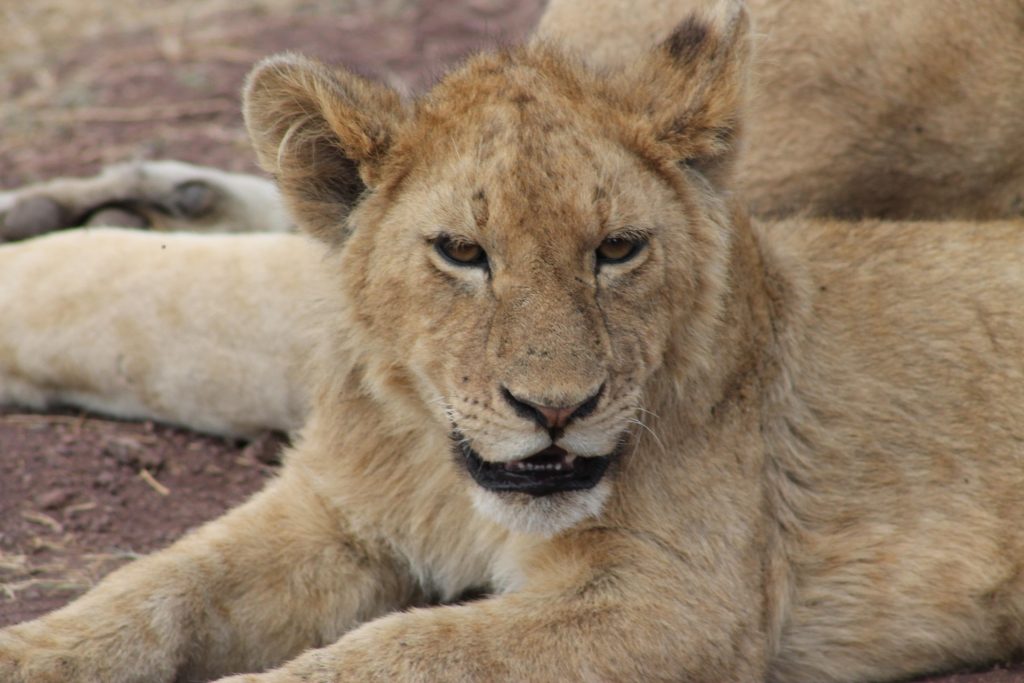 Safari TipsCan I See All Five Big Five Animals on One Tanzania Safari?Yes, you can see the Big Five in Tanzania. Learn which parks are best, the ideal route and season, how many days…Read article →