When Is the Best Time to Visit Serengeti National Park?
Dry season, calving, rains or river crossings: a month-by-month guide to choosing the best time to visit Serengeti National Park.
If you're planning a safari to Serengeti National Park, the first big choice is when to go. For dry weather and easy game viewing, June to October is usually best. But January and February can be superb for calving season, newborn animals and predators. November to May brings greener land, migrating herds and great birdwatching. So Serengeti National Park works all year, and no single month suits everyone.
Not Sure Which Month Suits You?
First, tell us what you most want to see. Then we'll suggest the right time for your Serengeti safari.
Quick Answer: Best Month to Visit Serengeti National Park
For a classic safari, July through October are among the most popular months. If you want calving season, January and February are particularly interesting, especially in the southern Serengeti. Also, November through May can be rewarding for green scenery, migratory herds and birdwatching. River crossings follow the migration’s movement through the north. However, timing is never guaranteed on a particular day or location.
Serengeti National Park Safari Seasons Explained
Serengeti doesn't have four European-style seasons. Instead, plans rest on dry periods, rainy periods and where the wildlife is. Here is a simple guide. January–February: calving season and newborn animals. March–May: green season and longer rains. June–October: dry season and great game viewing. November–December: short rains and green land. These periods overlap with the migration. Still, it never happens in exactly the same place on the same date each year.
Serengeti National Park Month-by-Month at a Glance
| Month | Weather | Best For |
|---|---|---|
| January | Warm, occasional rain | Calving, photography |
| February | Green, occasional rain | Calving, predators |
| March | Wetter, green | Photography, birds |
| April | Wet, lush | Green scenery, fewer visitors |
| May | Transitional | Green landscapes, value |
| June | Drying | Wildlife, migration |
| July | Dry | Classic safari, migration |
| August | Dry | Wildlife, migration |
| September | Dry | Wildlife, photography |
| October | Dry to transitional | Wildlife, classic safari |
| November | Short rains | Green scenery, birds |
| December | Green, variable rain | Wildlife, holiday safari |
Best Time to See the Great Migration
There's no single "migration month". The herds move all the time, following rain, fresh grass and water. Here is a simple calendar. January–February: calving in the south. March–May: moving through greener areas. June–July: moving toward the west and north. July–October: northern Serengeti and the wider migration period. November–December: moving back south. Overall, this is a guide, not a fixed timetable. Nature doesn't follow our calendars perfectly.
Even in the "right" season for river crossings, herds may stay on one side of the river. They may also cross before you arrive, or after you leave. The migration itself is the real show. A crossing is a possible highlight within it.
Best Time For Specific Priorities
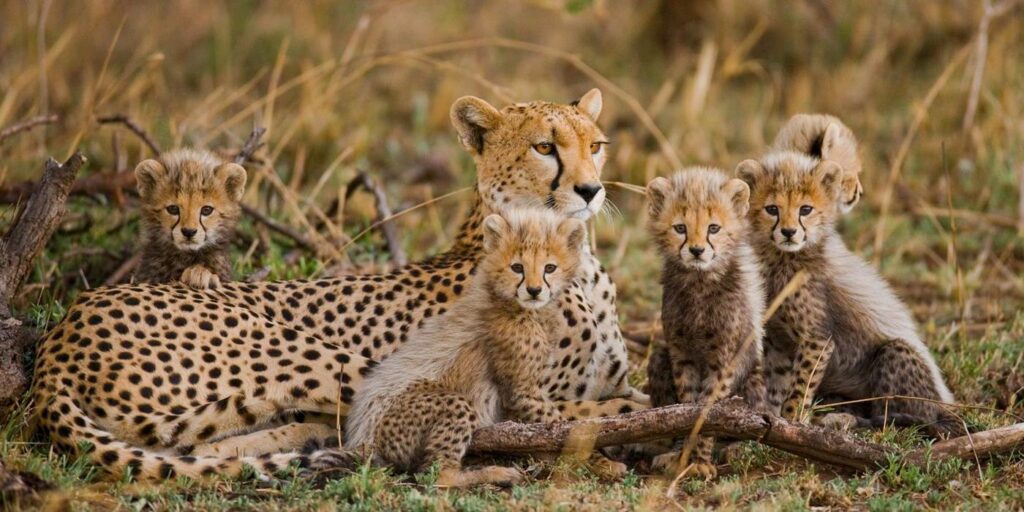
Big Five viewing: June–October is best, because dry conditions make wildlife easier to find. Even so, you can see great wildlife year-round. Photography: choose the dry season for golden landscapes. Pick November–May for green scenery and dramatic skies. Go in January–February for newborn animals.
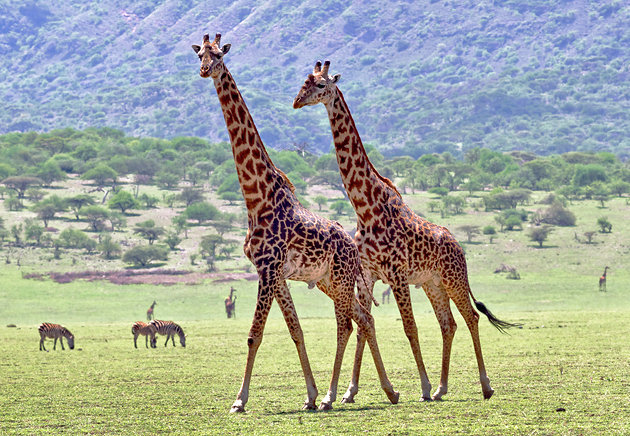
Fewer visitors: the wetter months, especially parts of March–May, usually see fewer travellers than the July–October peak. Birdwatching: roughly November to April is best. Then migrating birds join the resident species in greener places.
How Many Days Do You Need in Serengeti National Park?
A single day is possible but limited. Two days is a fair minimum for most travellers. Three days is a great choice for a first Serengeti safari. It gives you time to explore different habitats without rushing. Four or more days suits keen wildlife fans and photographers. Your guide then has more room to respond to changing conditions.
Combining Serengeti With Ngorongoro
Serengeti National Park and Ngorongoro work very well together. This is better than spending your whole holiday in one place. A popular route is Tarangire → Ngorongoro → Serengeti. You see Tarangire's elephants and baobabs, Ngorongoro's dramatic crater, and Serengeti's vast plains and wildlife, all in one trip.
Is Serengeti National Park Good During the Rainy Season?
Yes, and many people get this wrong. A wetter-season safari can offer green grasslands, dramatic skies, fewer visitors, great birdwatching and young animals. But the weather is harder to predict and roads can be muddier. Rain is rarely constant all day, too. You might have a short shower, then sunshine and great wildlife viewing.
What to Pack, Season by Season
- Dry season: lightweight clothing, a warm layer for cold mornings, closed shoes, binoculars
- Wetter periods: add a lightweight rain jacket and waterproof camera protection
- Year-round: sunscreen, hat, sunglasses, reusable water bottle, personal medication
Frequently Asked Questions
What is the best month to visit Serengeti?
There's no single answer. Choose June to October for a classic dry-season safari. Pick January or February for calving season. Go from November to May for green land, birds and fewer visitors.
When are Mara River crossings most likely?
Roughly August to October in the northern Serengeti. But no one can promise timing or place, even within that window.
Is Serengeti expensive during peak season?
The traditional peak (July–October) usually has higher demand and prices. In contrast, travelling in the shoulder or green season can sometimes give better value.
Can I combine Serengeti with a honeymoon any time of year?
Yes. Dry season suits couples who want comfortable, classic safari conditions. January and February suit those drawn to the thrill of calving season.
Should I avoid the rainy season completely?
Not really. In fact, avoiding it entirely is a common mistake. The green season can give you amazing wildlife moments and great photos.
There's no single best time to visit Serengeti National Park. For the best classic safari, choose June to October. For calving season, choose January or February. If you prefer green land, birds and fewer visitors, think about November to May. Above all, the key question isn't simply when to visit. It's what you want to see and enjoy when you arrive.
Ready to Plan Your Own Safari?
Tell us what you have in mind and we will design a tailor-made Tanzania itinerary around your dates, pace and interests.
- Tailor-made itineraries
- Local Tanzania safari specialists
- Free advice, no obligation
Keep Reading
All posts →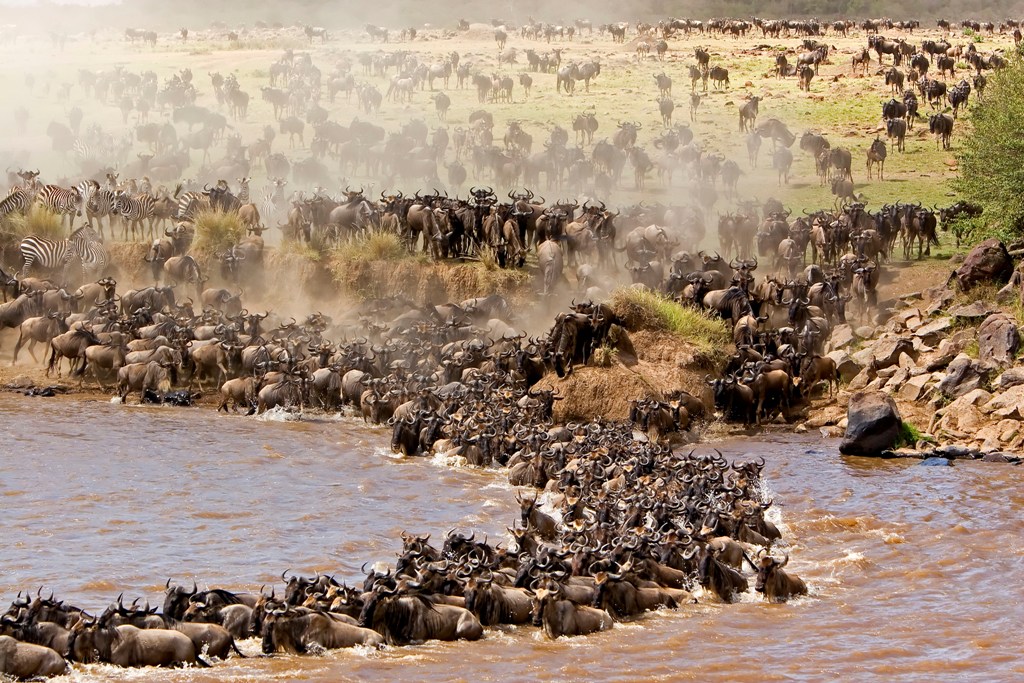 SerengetiSerengeti Calving Season: When to See Baby Wildebeest and PredatorsWhen is the Serengeti calving season, where does it happen and which predators will you see? Everything you need to plan a…Read article →
 SerengetiIs Serengeti Worth Visiting During the Calving Season?Green plains, 8,000 newborn calves a day and dramatic predator action: why January to March can be the best time to see…Read article →Safari TipsWhat Is the Best Time to Visit Tanzania? Safari, Weather & Zanzibar GuideMonth-by-month guide to the best time to visit Tanzania for safari, the Great Migration, calving season, Kilimanjaro and Zanzibar, with rainy-season, budget…Read article →