
Serengeti National Park is one of the world's most famous wildlife destinations and the centerpiece of a classic Tanzania safari. Known for its enormous open plains, exceptional concentration of wildlife, powerful predator sightings, and the annual movement of millions of wildebeest, zebras and gazelles, Serengeti offers the kind of safari experience that has defined East African wildlife tourism for generations.
The park covers approximately 1.48 million hectares and forms the central protected area of the wider Serengeti ecosystem. UNESCO recognizes it as a World Heritage Site because of its exceptional wildlife and the extraordinary annual migration of herbivores and their predators — but Serengeti is much more than the Great Migration. Lions can be found throughout the ecosystem, leopards often rest in trees along riverine areas, cheetahs hunt across open plains, and enormous herds of buffalo, zebra and antelope provide constant opportunities for wildlife encounters, year-round.
Quick facts — Size: ~14,750 km²; Getting There: Fly or 7–8 Hrs Drive.
In short, the Serengeti is the heart of a classic Tanzania safari. First, it offers huge open plains and many animals. Also, you can see strong predators and the yearly movement of millions of wildebeest, zebras and gazelles. Because the park is so large, most visitors stay three to five nights.
Then the best time depends on what you want to see. However, the park gives good game viewing all year. After you read this guide, you can compare accommodation types and safari plans. Finally, we can build a safari around the Serengeti for your dates.
See what past travelers say about us on SafariBookings, TripAdvisor and Google reviews, or read our customer reviews page. To plan your trip, see our safari packages, destinations and cultural experiences.
What Makes the Serengeti Different
The Great Migration
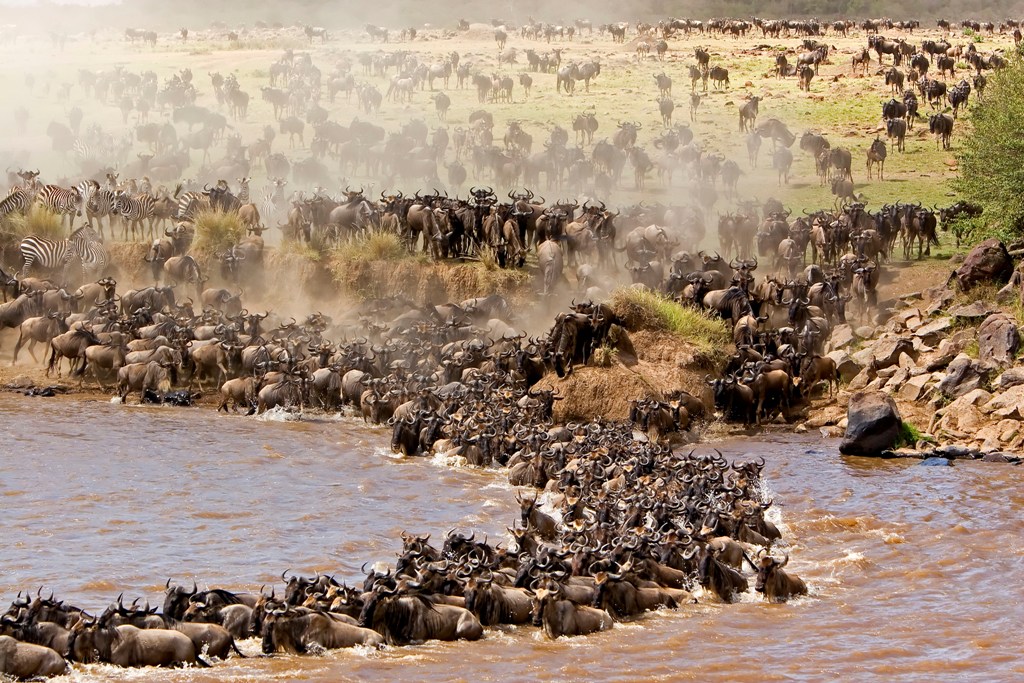
Huge herds of wildebeest, zebra and gazelle move through the ecosystem year-round in response to rainfall and fresh grass — with calving on the southern plains and river crossings in the north among the most dramatic sights in nature.
Exceptional Predators
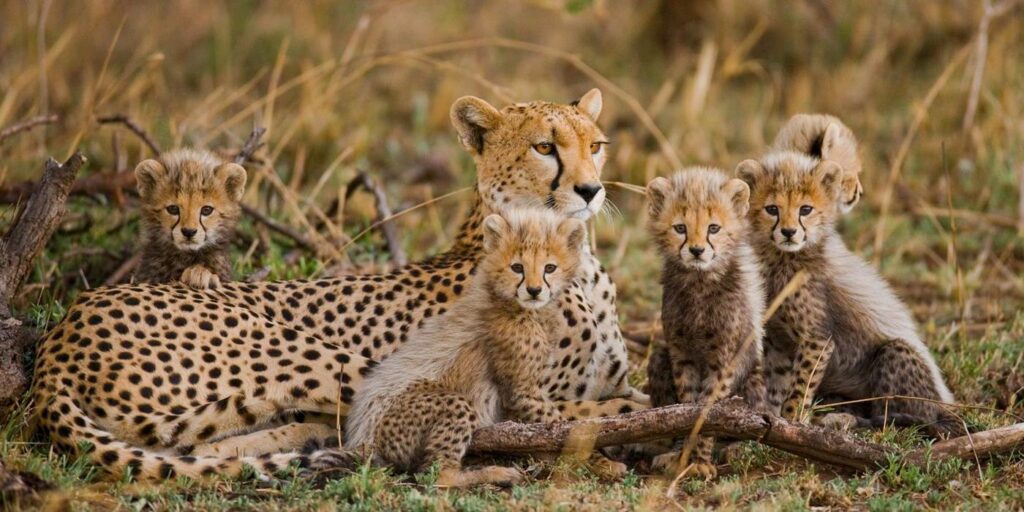
The abundance of prey supports large populations of lions, leopards, cheetahs and hyenas — among the highest predator densities anywhere in East Africa.
Diverse, Year-Round Safari
Grasslands, woodland, rivers and rocky kopjes support one of Africa's richest ecosystems — and unlike some destinations, Serengeti rewards a visit in any season.
A Complete Serengeti Ecosystem
All of the Big Five are present, alongside some of the highest cheetah and hyena densities in East Africa, plus over 500 recorded bird species.
Activities
Serengeti Game Drives
Morning and afternoon drives across the plains, timed around when wildlife is most active.
Hot-Air Balloon Safari
Rise above the plains around sunrise and appreciate the sheer scale of the ecosystem from the air.
Walking Safaris
Guided bush walks under authorised ranger escort, focused on tracks, plants and the smaller details of the ecosystem.
Photography
Wildlife portraits, action shots and sweeping landscapes — a longer lens for animals, a wider one for the herds and skies.
Birdwatching
More than 500 species recorded across the park and wider ecosystem, from eagles and vultures to kingfishers and bee-eaters.
Migration Viewing
Following the herds through calving, river crossings, or simply the endless movement across the plains.

Everything You Need to Know
Best Time to Visit Serengeti
Serengeti can be visited throughout the year, but the best period depends on your priorities. June to October is one of the most popular periods: vegetation thins out, wildlife is easier to spot, and animals concentrate around remaining water. January and February can be outstanding in the southern plains and Ndutu area, when fresh grass supports huge concentrations of herbivores and thousands of calves are born — drawing predators with them. November to December brings the short rains and greener, quieter landscapes, while March to May (the long rains) offers lush scenery, fewer visitors and potentially lower rates.
Are River Crossings Guaranteed?
No — and this is one of the most important things to understand before booking a migration safari. A crossing is a natural event, not a scheduled performance. Herds may gather near a river for hours or days before crossing, turn back, cross elsewhere, or cross when you're not there. We generally recommend building flexibility into the itinerary, and spending several days in the right region, rather than expecting a single game drive to produce a crossing.
Getting to Serengeti
Most visitors fly into Kilimanjaro International Airport or Arusha, then connect by light aircraft to one of Serengeti's airstrips, or drive in via Ngorongoro — a journey of roughly 7–8 hours from Arusha depending on the region you're headed to. We arrange all transfers and can time the route to fit the rest of your itinerary.
How Many Days You Need in Serengeti
Three nights is a good starting point for a first visit, giving you a genuine feel for the park. Four to five nights lets you cover more than one region — especially useful during migration season, when the herds may be concentrated far from where you're staying. Six or more nights suits serious wildlife enthusiasts and photographers who want to slow down.
The Big Five in Serengeti
Serengeti is one of the best places in Tanzania to search for all five, although seeing every species on a single safari is never guaranteed. Lions are among the most frequently encountered predators, often resting beneath trees, beside rocky kopjes or on open plains — early morning and late afternoon tend to be most rewarding. Leopards are far harder to find: solitary and secretive, they often rest in trees near rivers and drainage areas.
Cheetahs favour the open plains where their speed gives them the advantage when hunting. Elephants move through woodland and grassland in family groups, while buffalo gather in herds that can number in the hundreds. The black rhinoceros is the most difficult of all — endangered and confined to limited areas of the ecosystem, so a sighting is genuinely special rather than expected.
The Different Areas of Serengeti
Serengeti is enormous, and different areas offer very different experiences. Central Serengeti and Seronera combine resident wildlife, predators, water sources and the widest choice of accommodation — a strong all-round introduction. Northern Serengeti becomes important when the migration moves toward the Mara River, and rewards travellers who spend several nights rather than rushing through. Western Serengeti, around the Grumeti ecosystem, offers woodland and riverine habitat away from the busier central areas.
Southern Serengeti and Ndutu are the place to be during calving season, when the short-grass plains draw enormous concentrations of wildebeest — and the predators that follow them. Scattered throughout are the Serengeti kopjes, rocky outcrops that provide shade and shelter for wildlife and some of the park's most photogenic landscapes.
Hot-Air Balloon & Walking Safaris
A hot-air balloon safari offers a completely different perspective of the Serengeti, rising above the plains around sunrise to appreciate the sheer scale of the ecosystem from the air. Walking safaris work the opposite way — instead of covering distance, you slow right down, noticing tracks, dung, insects and signs of predator activity that a vehicle would drive straight past. Both are subject to park regulations and require authorised guides, and both are best thought of as an addition to your game drives rather than a replacement for them.
Photography & Birdwatching
Serengeti is one of Africa's great wildlife photography destinations, with opportunities ranging from intimate predator portraits to sweeping landscapes and migration scenes. A longer lens helps with wildlife, a wider lens with landscapes and herds, and a beanbag is often more practical than a tripod inside a safari vehicle. Birders are equally well served: more than 500 species have been recorded in the park and wider ecosystem, from ostriches and secretary birds to rollers, bee-eaters and kingfishers. If photography or birding is a priority for you, tell us when you book so we can brief your guide accordingly.
Serengeti for Families, Couples & First-Time Safari Travelers
Serengeti works well for families when the itinerary is designed around the children rather than the other way round — a private vehicle lets you adjust timing, take breaks and manage driving time sensibly. For couples and honeymooners, Serengeti combines naturally with Ngorongoro and Zanzibar, and the addition of a balloon safari, bush meals or a private sundowner can turn a safari into something genuinely romantic. For first-time visitors, Serengeti provides an outstanding foundation for a Tanzania trip, though travellers with very limited time sometimes find more value concentrating on Arusha's closer parks instead.
Common Mistakes to Avoid
The most common mistake is choosing travel dates purely around the Great Migration — the herds move, and there's no guarantee they will be exactly where you expect. Staying only one night leaves very little flexibility, and choosing accommodation without checking its location relative to your target wildlife area can cost you valuable game-drive time. Looking only at price, rather than comparing what's actually included, is another common trap, as is expecting every sighting to be guaranteed.
Overpacking, ignoring travel time between parks, and trying to visit too many destinations in too few days are all easy ways to turn a safari into a driving trip rather than a wildlife experience — we're happy to help you avoid all of them when we design your itinerary.
Fun Fact: The name “Serengeti” is widely associated with the idea of “endless plains” — and at roughly 1.48 million hectares, the park genuinely lives up to it, with the wider ecosystem extending all the way into Kenya's Maasai Mara.
Serengeti Through the Year
Dry Season
Vegetation thins out and wildlife is often easier to spot as animals concentrate around remaining water sources. Comfortable conditions for game drives.
Short Rains
The short rains refresh the landscape with new vegetation. Can feel greener and less crowded than peak dry-season periods.
Long Rains
Lush landscapes and dramatic skies. Some roads can be muddy, but fewer visitors and potentially lower rates reward those who travel now.
Calving Season
Large concentrations of wildebeest gather in the southern plains and Ndutu area as thousands of calves are born — drawing predators with them.
Serengeti Accommodation Types
Luxury Lodges
Permanent properties with private pools, spas and fine dining — comfort alongside the wildlife, chosen for their location rather than looks alone.
Tented Camps
Spacious canvas suites with en-suite bathrooms and private verandas, set in fixed locations chosen for their views and wildlife activity.
Mobile Camps
Camps that relocate through the year to follow the migration herds — among the closest you can stay to the action itself.
Camping
A more direct connection with the wilderness — sleeping under canvas and hearing the sounds of the African night, chosen carefully for the experience you want.
What Affects the Cost
The price of a Serengeti safari depends on many variables: number of travelers, number of safari days, accommodation standard, season, private or shared vehicle, number of parks visited, park and conservation fees, internal flights and the level of guiding and service. A short Serengeti safari can cost dramatically less than a multi-week luxury trip, so we always recommend comparing complete itineraries rather than a single daily price.
Serengeti can feel expensive compared with a conventional holiday, but the price reflects the logistics of operating in a remote wilderness — professional guiding, vehicle and fuel, park access, accommodation, meals, transfers and sometimes domestic flights. The better question isn't “how cheap is this safari?” but “what experience am I receiving for the price?” We're happy to walk you through exactly what's included in any quote.
Accessibility
By Road
Popular on classic northern Tanzania circuits: Arusha → Tarangire → Ngorongoro → Serengeti. The journey can take around 7–8 hours, so a good itinerary uses the route strategically rather than treating it as wasted time.
By Air
Flights connect to several airstrips serving different parts of the Serengeti, with Seronera among the most important. Ideal for short safaris, honeymooners, and travelers combining Serengeti with Zanzibar.
Safaris That Include Serengeti
Frequently Asked Questions
Is Serengeti National Park open all year?
Yes. Serengeti can be visited throughout the year, although weather, road conditions and wildlife distribution vary seasonally.
What is Serengeti famous for?
Serengeti is famous for its vast plains, exceptional wildlife, large predator populations and the annual movement of millions of herbivores known as the Great Migration.
What animals can I see in Serengeti?
Possible sightings include lions, leopards, cheetahs, elephants, buffalo, black rhinoceros, wildebeest, zebra, giraffes, gazelles, hippos, hyenas and many other species.
Can I see the Big Five in Serengeti?
Yes. Serengeti supports lions, leopards, elephants, buffalo and black rhinoceros. However, no wildlife sighting is guaranteed.
What is the best month to visit Serengeti?
There is no single best month for everyone. June to October is excellent for general wildlife viewing, while January and February can be particularly attractive for the calving season in the southern Serengeti and Ndutu area.
How many days should I spend in Serengeti?
Three nights is a good starting point for a first visit. Four or five nights provides greater flexibility and a deeper experience.
Can I visit on a budget?
Yes. Accommodation and safari styles vary considerably, from camping to luxury lodges. The total cost depends on accommodation, season, group size, transport and itinerary.
Is Serengeti good for a honeymoon?
Yes. Serengeti can be combined with luxury accommodation, private game drives, special meals, balloon safaris and a relaxing Zanzibar beach stay.
Is it suitable for children?
Yes, with appropriate planning. A private safari vehicle and family-friendly accommodation can make the experience much more comfortable.
Can I fly there?
Yes. Domestic and regional flights serve airstrips within or near different areas of the park, which is particularly useful for travelers who want to maximise time on safari.
Can I see the Great Migration in Serengeti?
Yes. The migration moves through different parts of the Serengeti ecosystem during the year — the best area depends on the month and the specific experience you want, whether that is calving, river crossings or simply huge herds on the plains.
Does Serengeti have leopards and cheetahs?
Yes. Leopards occur in the park but can be difficult to spot due to their secretive behaviour, while cheetahs are particularly associated with the open plains where they can use their speed to hunt.
Do I need binoculars on safari?
They are not essential, but highly recommended. Binoculars help you see animals and birds that are too far away for comfortable viewing with the naked eye.
How far is Serengeti from Arusha?
The distance and driving time depend heavily on the route and destination within Serengeti. The journey by road can take 7–8 hours, which is why some travelers choose to fly.
Are river crossings guaranteed?
No. River crossings are unpredictable natural events. Even during the migration season, animals may gather at a river without crossing.
Do I need binoculars?
They are not essential, but binoculars are highly recommended for animals and birds that are too far away to see comfortably with the naked eye.
Are there leopards and cheetahs in Serengeti?
Yes. Leopards can be difficult to spot because of their secretive behavior, while cheetahs are particularly associated with the open plains where they hunt using speed.
Is it safe?
Serengeti is a managed wilderness area, but it remains a wild environment. Following your guide's instructions and park safety regulations is essential.
Build a Safari Around the Serengeti
Nearly every one of our multi-day itineraries includes time in the Serengeti — tell us when you're traveling and we'll time it to the migration.
See what past travelers say about us on SafariBookings, TripAdvisor and Google reviews, or read our customer reviews page.