
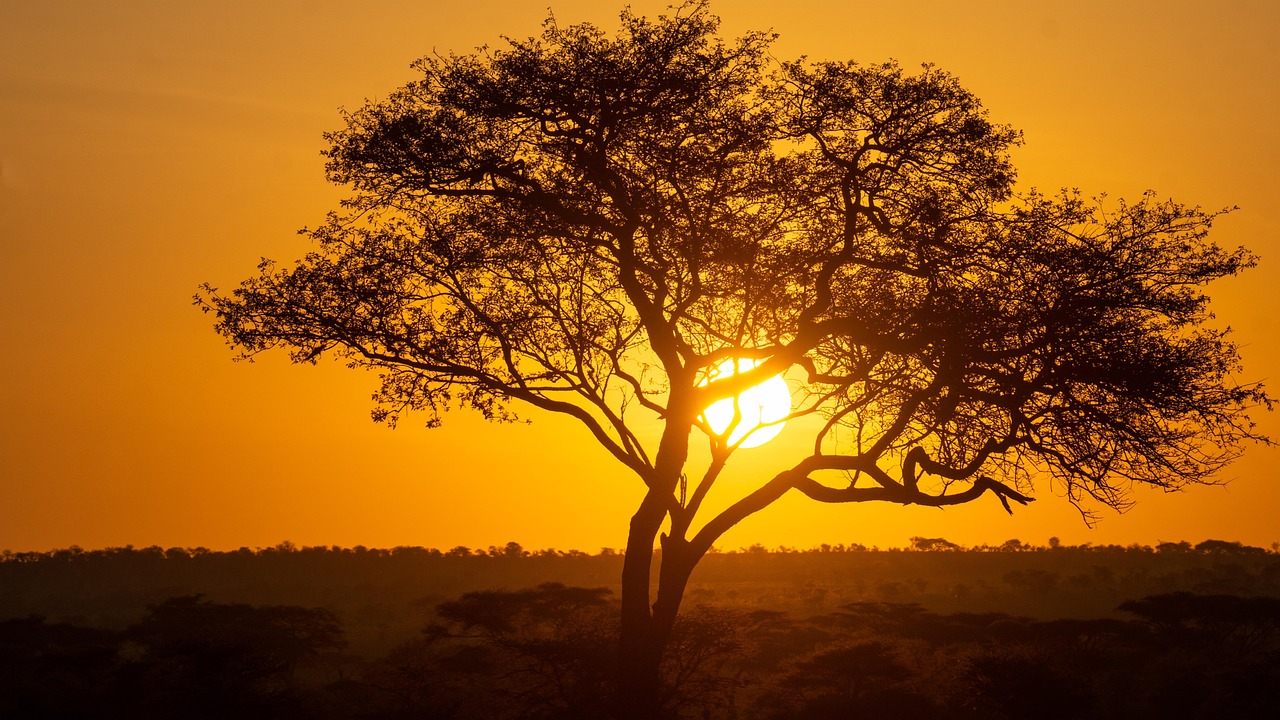
Tarangire National Park is one of northern Tanzania’s best parks for elephants. Large herds gather along the Tarangire River, and giant baobab trees dot the landscape. As a result, the park feels wild, open and very photogenic.
The park lies about 120 km from Arusha, so it is easy to reach. Most visitors combine it with Lake Manyara, the Ngorongoro Crater and the Serengeti. If you are short on time, our Tarangire day safari from Arusha is a good option.
Tarangire is best known for its elephant herds, baobab trees and rich birdlife. It is especially good from June to October.
In short, Tarangire National Park is a scenic, wildlife-rich park close to Arusha. First, you drive from Arusha to the gate. Then you explore the river, the baobabs and the open plains. Finally, you enjoy picnic lunches and close sightings of elephants.
Wildlife sightings are never guaranteed. However, the dry season gives you the best chances, because animals gather near the river.
To plan your trip, see our safari packages, destinations and accommodations. See what past travelers say about us on SafariBookings, TripAdvisor and Google reviews, or read our customer reviews page.
Where Is Tarangire National Park?
Tarangire National Park is in northern Tanzania, in Manyara Region. It lies about 120 km from Arusha, and the drive takes two to two and a half hours.
The park covers about 2,850 square km. It follows the Tarangire River, which is the main water source in the dry season. The landscape is rolling bushland, open grassland, swamps and scattered baobab trees.
Because the park sits on the way to Lake Manyara and the Ngorongoro Crater, it is easy to add to a northern circuit.
What Is Tarangire Famous For?
Tarangire is best known for three things:
1 Large elephant herds
2 Ancient baobab trees
3 Dry-season wildlife along the Tarangire River
It is also a great park for birds and for dry-country animals such as fringe-eared oryx and lesser kudu. As a result, it feels quite different from the other northern parks.
The Elephants of Tarangire
Tarangire has some of the largest elephant herds in Tanzania. In the dry season, family groups gather along the river to drink and bathe. You may see calves playing in the water.
Watching a big herd cross the river is a highlight for many visitors. However, elephants roam widely, so sightings depend on the season and the day.
Baobab Trees and Landscapes
Giant baobab trees give Tarangire its unique look. Some of them are hundreds of years old. Their thick trunks store water, so they survive long dry seasons.
Besides baobabs, the park has several habitats:
- Open grass plains
- Acacia woodland
- Seasonal swamps such as Silale
- Riverbank forest along the Tarangire River
- Rocky hills and termite mounds
These contrasting views make Tarangire a favorite for photographers.
Wildlife in Tarangire National Park
Elephants are the stars, but many other animals live here too. More than 550 bird species have been recorded as well.
Depending on the season, visitors may see:
Predators are present, but they are not guaranteed. In the dry season, they often hunt near the river. Also, wildlife leaves the park in the wet season, so numbers change through the year.
Birdwatching in Tarangire
Tarangire is one of the best birding parks in Tanzania. Wetlands, woodland and open plains each attract different species.
A pair of binoculars makes a big difference here. Migratory birds arrive between November and April, so the green season is excellent for birders.
Things to Do in Tarangire National Park
A game drive is the main activity. However, depending on the season and where you stay, you may also enjoy:
- Morning or afternoon game drives
- Birdwatching along the river and swamps
- Picnic lunch at a scenic viewpoint
- Guided walking safaris in designated areas, where permitted
- Night drives, where available through approved camps
- Visits to Maasai villages near the park
Availability changes, so we confirm what is open on your dates when we plan your trip.
Maasai Culture Around Tarangire
Maasai communities live around the park. A village visit is a good way to learn about their culture, cattle herding and daily life. See our cultural experiences for more ideas.
When Is the Best Time to Visit Tarangire National Park?
Tarangire can be visited all year, but the seasons are very different:
- June to October (dry season): the best time for wildlife, because animals gather along the river.
- November to December (short rains): green scenery and migratory birds, with fewer visitors.
- January to February: warm and green, with good birdlife and young animals.
- March to May (long rains): lush and quiet, but some tracks can be muddy and animals are more spread out.
If elephants are your priority, plan your trip for the dry season.
How Many Days Do You Need in Tarangire?
One full day shows you the main sights. However, two days let you explore more of the park and enjoy the quiet early mornings.
Tarangire National Park Day Safari From Arusha
A day safari leaves Arusha early, drives about two hours to the gate and spends the day on game drives. Then you return in the evening. It is an easy trip, so it suits travelers with limited time. See our Tarangire day safari or request a quote and we will plan it around your dates.
Tarangire for Families and First-Timers
Tarangire is a great choice for families and first-time safari travelers.
- Elephants are easy to see in the dry season
- The park is close to Arusha, so travel time is short
- Roads are good for most of the year
- Baobab trees and rivers keep children interested
For more ideas, see our family safari guide.
Tarangire vs Lake Manyara
Both parks are on the northern circuit and are often combined.
| Tarangire | Lake Manyara |
|---|---|
| Larger park along the Tarangire River | Compact park beside the Rift Valley escarpment |
| Large elephant herds and baobab trees | Tree-climbing lions and groundwater forest |
| Famous for dry-season wildlife gatherings | Alkaline lake with water birds |
| Best from June to October | Good in most seasons |
| Often a full day or overnight | Often a half or full day |
If you have time, visit both. Read more in our Lake Manyara guide.
Can You Combine Tarangire With Other Parks?
Yes. Tarangire fits easily into a northern Tanzania safari. A classic route looks like this:
Tarangire appears in several of our itineraries, including the 2 Days Tarangire and Ngorongoro Safari, 3 Days Tanzania Safari, 5 Days Best of Tanzania, 6 Days Tanzania Safari and 7 Days Tanzania Safari. You can also pair it with the Ngorongoro Crater and the Serengeti.
How to Get to Tarangire National Park
Most visitors reach Tarangire by road. The drive from Arusha takes about two to two and a half hours on a mostly paved road. Your safari vehicle and driver-guide handle the route.
A small airstrip also serves the park. If you prefer to save time, ask us about flights.
Where to Stay Near Tarangire
You can stay inside the park, on its edge or in nearby towns. Lodges and tented camps range from budget to luxury. Camps inside the park save driving time and give you more wildlife near your tent.
When choosing accommodation, consider:
Browse our accommodations for ideas, or tell us your budget and we will suggest the right fit.
What Should You Pack?
Useful items include:
See our full safari checklist before you travel.
Park Rules and Safety
Tarangire is a wild place, and the rules protect both people and wildlife.
Stay inside the vehicle except at marked picnic sites. Keep a respectful distance from animals, never feed them and keep noise low. Elephants can be unpredictable, so always follow your guide’s instructions.
Responsible Tourism
A responsible visit helps wildlife and local communities. You can help by:
- Respecting wildlife and keeping noise low
- Staying on designated tracks
- Avoiding litter and single-use plastics
- Asking permission before photographing people
- Supporting local community projects
- Following park regulations
Frequently Asked Questions
How many days do I need in Tarangire National Park?
One full day shows you the highlights. However, two days give you more time for game drives and a relaxed start.
Can I visit Tarangire in one day from Arusha?
Yes. The drive takes about two hours each way, so a day safari works well. An overnight stay gives you more time with the wildlife.
When is the best time to see elephants?
The dry season, from June to October, is best. Elephants gather along the Tarangire River, so sightings are very good.
Can I see lions and leopards in Tarangire?
Yes, lions are often seen, and leopards are possible. However, sightings are never guaranteed.
Is Tarangire good for a first safari?
Yes. The park is close to Arusha, wildlife is easy to see in the dry season and the scenery is beautiful.
Can I combine Tarangire with other parks?
Yes. Tarangire pairs well with Lake Manyara, the Ngorongoro Crater and the Serengeti on a northern circuit.
Is there a lot of birdlife?
Yes. More than 550 bird species have been recorded, and migratory birds arrive from November to April.
Final Thoughts
Tarangire rewards visitors who love elephants, big trees and wide views. It is quieter than some parks, and it feels wild and open.
Whether you visit on a Tarangire day safari from Arusha or as part of a longer trip, we will plan it around your dates, budget and interests.
Pair Tarangire with Lake Manyara and the Serengeti, or see all destinations. See what past travelers say about us on SafariBookings, TripAdvisor and Google reviews, or read our customer reviews page.