
Explore Stone Town
Walk the narrow streets of Stone Town, Zanzibar’s UNESCO World Heritage old town: carved doors, historic landmarks, markets, local food and Indian Ocean sunsets.
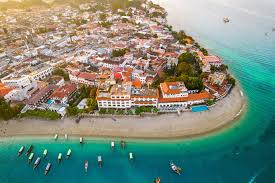
Stone Town is the cultural and historical heart of Zanzibar, where Swahili, Arab, Indian and European influences come together in a maze of narrow streets, historic buildings, carved wooden doors, markets, mosques, churches and waterfront spaces. Located on the western coast of Unguja Island, it is the historic center of Zanzibar City and a UNESCO World Heritage Site.
For travelers, exploring Stone Town is about much more than sightseeing. It is an opportunity to understand Zanzibar’s history, architecture, food, culture and connection to the wider Indian Ocean world. Whether you have a few hours or several days, Stone Town deserves a place in a Zanzibar itinerary.
In short, Stone Town is the historic heart of Zanzibar. First, you walk through narrow streets and see carved wooden doors. Then you visit markets, mosques and old landmarks. Also, you enjoy Indian Ocean sunsets.
Because Stone Town is a UNESCO World Heritage Site, it deserves a place on your Zanzibar plan. Whether you have a few hours or several days, there is something to see. After that, you can combine it with beaches or a spice farm. Finally, we can arrange a local guide.
See what past travelers say about us on SafariBookings, TripAdvisor and Google reviews, or read our customer reviews page. To plan your trip, see our Zanzibar, cultural experiences and safari packages.
What Is Stone Town?
Stone Town is the historic district of Zanzibar City on the western side of Unguja Island. The town developed as an important Swahili coastal trading center and was shaped over centuries by commercial and cultural connections between East Africa, Arabia, India and Europe. UNESCO describes it as an outstanding example of a Swahili trading town.
The historic town is characterized by:
- Narrow winding streets
- Coral-stone buildings and traditional Swahili houses
- Elaborately carved wooden doors
- Indian-influenced shopfronts
- Historic mosques, churches and cathedrals
- Former palaces and seafront buildings
- Courtyards and traditional barazas
The result is a city that feels very different from a modern beach resort.
Why Visit Stone Town & UNESCO Status
Stone Town is one of the best places in Zanzibar to experience the island’s cultural identity. A visit combines history, architecture, food, markets, culture and the Indian Ocean. It is particularly worthwhile for travelers who want to understand Zanzibar beyond its beaches: spend the morning exploring historic buildings, stop for local food, walk through the markets and finish the afternoon watching the sun set over the ocean.
Stone Town was added to the UNESCO World Heritage List in 2000. UNESCO recognizes the town for its cultural fusion, its historic role in Indian Ocean trade and its association with the history of the suppression of slavery. The property covers approximately 96 hectares, with an additional buffer zone. Its importance comes not from one individual monument but from the relationship between its streets, buildings, architecture and historical setting.
Stone Town Architecture & Carved Doors
Stone Town’s buildings reflect different cultural influences while retaining strong Swahili characteristics. Traditional buildings commonly use coral rag stone and lime mortar. Arab and Omani influences can be seen in large houses with courtyards and distinctive carved doors, Indian influence in commercial buildings and shopfronts along the bazaar streets, and European influence in churches and other buildings.
Zanzibar’s Famous Carved Doors
One of the most recognizable features of Stone Town is its traditional wooden doors. Some feature elaborate carvings and decorative details that reflect the history and status of the buildings’ owners. They are not simply decorative: they are part of Zanzibar’s architectural heritage and represent the traditions that shaped the town. UNESCO specifically identifies elaborately carved Zanzibar doors as an important characteristic of the historic architecture.
Stone Town Landmarks Not to Miss
House of Wonders (Beit-al-Ajaib)
Built in the late nineteenth century during the reign of Sultan Barghash as a ceremonial palace, it is one of Stone Town’s most famous landmarks. Check current opening conditions before visiting, as access and restoration work can change.
Old Fort (Ngome Kongwe)
The fort occupies a prominent position near the waterfront and stands on the site of an earlier Portuguese structure, later developed by the Arabs into a fortification. It is frequently included in walking tours.
Forodhani Gardens
The best place to experience Stone Town in the evening. Along the waterfront, it becomes lively around sunset and after dark, and is famous for Zanzibar-style street food:
- Zanzibar pizza
- Grilled seafood and octopus
- Mishkaki
- Cassava
- Fresh juices and spiced foods
Darajani Market
A completely different perspective of Zanzibar: everyday commerce with fresh produce, spices, fish, meat, fruits, local products and household goods. It can be busy, colorful and sensory. Always ask permission before photographing people closely.
The Old Slave Market & Christ Church
Christ Church Anglican Cathedral stands on the site associated with the former slave market, an important place for understanding the history of the East African slave trade and the efforts to suppress it. A visit can be emotionally difficult, but it is an important part of understanding Zanzibar’s past.
Tippu Tip’s House & Hamamni Persian Baths
The former residence of Tippu Tip, a prominent nineteenth-century trader, connects you to Zanzibar’s commercial history. The Hamamni Persian Baths reflect Persian and wider Indian Ocean architectural traditions and give insight into the social life of nineteenth-century Zanzibar. UNESCO identifies both among Stone Town’s historic buildings.
Stone Town Streets, Barazas & Waterfront
One of the best ways to experience Stone Town is simply to walk. Part of the town’s character comes from discovering small details around every corner:
- Old wooden doors and small shops
- Historic houses, mosques and courtyards
- Local cafés, street vendors and small art shops
- Children playing and traditional barazas
What Is a Baraza?
As you walk, you may notice low built-in benches along the edges of buildings. These are known as baraza, places to sit, socialize and conduct everyday activities. UNESCO identifies the baraza as an important element of Stone Town’s traditional streetscape and social life.
Waterfront & Sunset
Stone Town faces the Indian Ocean and the waterfront is an important part of the city’s identity. A sunset here is one of the simplest experiences to add to your itinerary: find a suitable place, watch local activity and enjoy the changing colors, then continue toward Forodhani Gardens as the evening food scene becomes active. Late afternoon is especially attractive for photographers.
Stone Town Food, Spices & Shopping
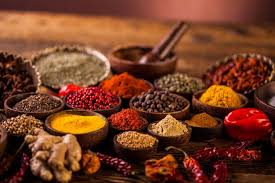
Zanzibar has long been associated with spices and the Indian Ocean trading world. A spice farm visit is normally outside the historic center, but it combines naturally with a Stone Town itinerary (cloves, cinnamon, cardamom, nutmeg, black pepper, vanilla).
Food is one of the easiest ways to experience the cultural diversity of Stone Town. Try pilau, biryani, urojo, Zanzibar pizza, seafood, octopus dishes, chapati and fresh tropical fruit. For a deeper experience, consider a guided food tour rather than simply eating at a hotel.
Shopping in Stone Town
You may find carved wooden products, textiles, spices, paintings, jewelry, handcrafts and souvenirs. Take your time, and if you want authentic local products, ask about their origin rather than assuming every souvenir is locally produced.
How Long Do You Need in Stone Town?
You can see several major highlights in half a day, but a full day provides a much better experience.
| Duration | What it can include |
|---|---|
| Half day | Old Fort, House of Wonders area, historic streets, carved doors, Darajani Market, Christ Church area, waterfront |
| Full day | Guided walking tour, monuments, market, local lunch, shopping, sunset and Forodhani Gardens |
| Two days | A slower pace plus a spice tour, cooking experience or other cultural activities |
A Perfect One-Day Itinerary
| Time | Activity |
|---|---|
| 8:00 AM | Walking tour of the narrow historic streets, before the strongest heat |
| 9:00 AM | Old Fort, early history and fortifications |
| 10:00 AM | House of Wonders area and surrounding historic buildings |
| 11:00 AM | Christ Church and slave-trade history |
| 12:30 PM | Local lunch of traditional Zanzibari cuisine |
| 2:00 PM | Darajani Market and everyday commerce |
| 3:30 PM | Explore the streets for historic doors and local shops |
| 5:00 PM | Waterfront sunset |
| 6:00 PM | Forodhani Gardens street food and evening atmosphere |
Practical Tips for Stone Town
Best Time to Explore
Stone Town can be visited throughout the year. For comfortable sightseeing, many travelers prefer the drier periods, particularly June to October and January to February. The main rainy season is generally around April and May, with a shorter rainy period around November and December.
What to Wear
Dress modestly, especially at religious or culturally sensitive places, and choose lightweight, breathable clothing:
- Lightweight trousers or long skirt and a breathable shirt
- Comfortable walking shoes for uneven streets
- Hat, sunglasses and sunscreen
- Light rain jacket during wetter periods
Is Stone Town Safe?
It is a major tourist destination, but normal travel precautions are still appropriate. Keep valuables secure in crowded areas, be aware of your surroundings, use reputable guides and transportation, avoid displaying large amounts of cash, and at night stay in well-used areas and follow your accommodation’s advice.
Respecting Local Culture
Stone Town is not an open-air museum: people live, work and worship here. Ask permission before photographing people closely, dress appropriately around religious sites, avoid entering private spaces, do not touch historic structures unnecessarily and support local businesses where possible.
For Photographers
Look for carved doors, textured walls, narrow streets, balconies, markets, waterfront scenes, local boats, and shadows and light. Early morning gives softer light and quieter streets; late afternoon gives warm light and strong shadows.
Combine Stone Town With Your Trip
With a Zanzibar Beach Holiday
| Day | Plan |
|---|---|
| Day 1 | Arrive in Zanzibar |
| Day 2 | Stone Town walking tour |
| Day 3 | Spice farm and cultural experience |
| Days 4–6 | Beach holiday |
| Day 7 | Departure |
Stone Town gives you history and culture, while the coast gives you beaches and relaxation.
After a Tanzania Safari or Kilimanjaro
After several days of early-morning game drives, Stone Town provides a change of pace: explore history, eat local food and walk the old streets before continuing to a beach resort. Travelers climbing Mount Kilimanjaro can also add Zanzibar, for a journey that combines mountain adventure, wildlife, history, culture and beach relaxation.
Local Guides & Responsible Tourism
You can walk around Stone Town independently, but a knowledgeable local guide can transform the experience. Instead of seeing an old building, you learn who built it, why, how it was used, how Zanzibar’s trade developed, how different cultures influenced the town, how the slave trade affected the region and why the architecture looks the way it does. That context turns sightseeing into understanding.
Stone Town is a living heritage site balancing tourism, everyday life and conservation. Travelers can help by:
- Supporting local businesses and hiring local guides
- Buying genuine local products
- Respecting historic buildings and residents
- Avoiding litter and damage to historic structures
- Following photography etiquette
Stone Town FAQs
What is Stone Town famous for?
Is Stone Town in Zanzibar?
How many hours do you need in Stone Town?
Can I explore Stone Town without a guide?
What are the best things to do in Stone Town?
Is Stone Town a UNESCO World Heritage Site?
What should I wear in Stone Town?
Is Stone Town worth visiting before a beach holiday?
Can Stone Town be combined with a Tanzania safari?
Ready to Explore Stone Town?
Let us add Stone Town to your Zanzibar or Tanzania itinerary.