Trekking Adventures in Tanzania
Trekking in Tanzania takes you from Kilimanjaro and Meru to the Usambara and Udzungwa highlands — mountains, forests, waterfalls and villages explored on foot.
Trekking in Tanzania offers far more than one famous mountain. Tanzania is famous around the world for its wildlife safaris, the Serengeti and the beaches of Zanzibar. But beyond the game drives and tropical coastline lies another side of the country: spectacular mountains, forests, valleys, waterfalls and highland communities waiting to be explored on foot.
From the legendary slopes of Mount Kilimanjaro to the forests of Mount Meru and the dramatic landscapes of the Usambara and Udzungwa Mountains, Tanzania offers trekking adventures for different fitness levels and travel styles.
Whether you want to climb Africa's highest mountain, spend a few days hiking through mountain forests, enjoy panoramic views from a highland trail or combine trekking with a safari, Tanzania provides plenty of possibilities.
In short, Tanzania offers trekking for every level. First, you can climb Mount Kilimanjaro or Mount Meru. Then you can try Ol Doinyo Lengai or the Usambara and Udzungwa Mountains. Also, you can walk in the Ngorongoro Highlands.
Because altitude is the main challenge on high mountains, fitness and time matter. The best months are June to October and January to February. After that, you can choose a day hike or a multi-day trek. Finally, we can plan the trek for you.
See what past travelers say about us on SafariBookings, TripAdvisor and Google reviews, or read our customer reviews page. To plan your trip, see our Kilimanjaro trekking, Mount Meru trekking and safari packages.
Why Go Trekking in Tanzania?
Trekking allows you to experience Tanzania differently from a traditional safari.
Instead of viewing landscapes through a vehicle window, you move slowly through them. You hear birds in the forest, encounter changing vegetation as you gain altitude, meet local communities and experience the landscape at a much more personal level.
Tanzania's mountainous regions also provide remarkable changes in scenery over relatively short distances. A trek can take you from cultivated farmland into rainforest, through heath and moorland and eventually into alpine landscapes.
For many travelers, trekking is also about personal achievement.
Standing on a mountain summit after several days of walking can be one of the most rewarding experiences of a trip to Africa.
The Best Trekking Adventures in Tanzania
Tanzania has several destinations worth considering depending on how challenging and how long you want your adventure to be.
| Trekking destination | Best for | Typical experience |
|---|---|---|
| Mount Kilimanjaro | Major summit adventure | Multi-day high-altitude climb |
| Mount Meru | Acclimatization and mountain scenery | Challenging multi-day climb |
| Usambara Mountains | Scenic hiking and culture | Forests, villages and viewpoints |
| Udzungwa Mountains | Forest trekking and biodiversity | Hiking, waterfalls and wildlife |
| Ol Doinyo Lengai | Adventure and volcanic landscapes | Steep overnight summit climb |
| Ngorongoro Highlands | Nature and cultural hiking | Villages, forests and crater landscapes |
The right choice depends on your fitness, available time, experience and what you want to see.
Mount Kilimanjaro
Mount Kilimanjaro is the most famous trekking destination in Tanzania and one of the world's best-known mountain adventures.
At 5,895 metres above sea level, Kilimanjaro is Africa's highest mountain. Its summit, Uhuru Peak, attracts trekkers from around the world who want to experience the challenge of reaching the roof of Africa.
Kilimanjaro is unusual because you do not need technical mountaineering skills for the standard trekking routes. However, the altitude makes it a serious physical challenge.
The mountain has several ecological zones, meaning the landscape changes dramatically as you climb.
You may begin among cultivated farmland and forest before entering moorland, alpine desert and finally the cold summit environment.
Popular Kilimanjaro Routes
Several routes lead toward the summit.
Machame Route
Machame is one of the most popular routes and is known for its scenic landscapes.
It generally involves camping and provides good opportunities for acclimatization when undertaken over an appropriate number of days.
Marangu Route
Marangu is sometimes called the "Coca-Cola Route."
Unlike Machame, accommodation is generally provided in mountain huts rather than tents.
Its shorter itinerary can make it attractive to travelers with limited time, although a shorter climb does not necessarily mean an easier experience because altitude remains the major challenge.
Lemosho Route
Lemosho is widely appreciated for its scenery and longer approach.
The additional time can provide a better opportunity for gradual acclimatization, depending on the itinerary.
Rongai Route
Rongai approaches Kilimanjaro from the northeastern side.
It can provide a different perspective of the mountain and is sometimes attractive to travelers looking for a quieter route.
Northern Circuit
The Northern Circuit is the longest standard route around Kilimanjaro.
Its extended itinerary allows considerable time for acclimatization and provides a broad experience of the mountain.
Umbwe Route
Umbwe is a more direct and demanding route.
Because of its steep profile and relatively rapid gain in elevation, it is generally better suited to experienced trekkers and should not be chosen simply because it is shorter.
Mount Meru
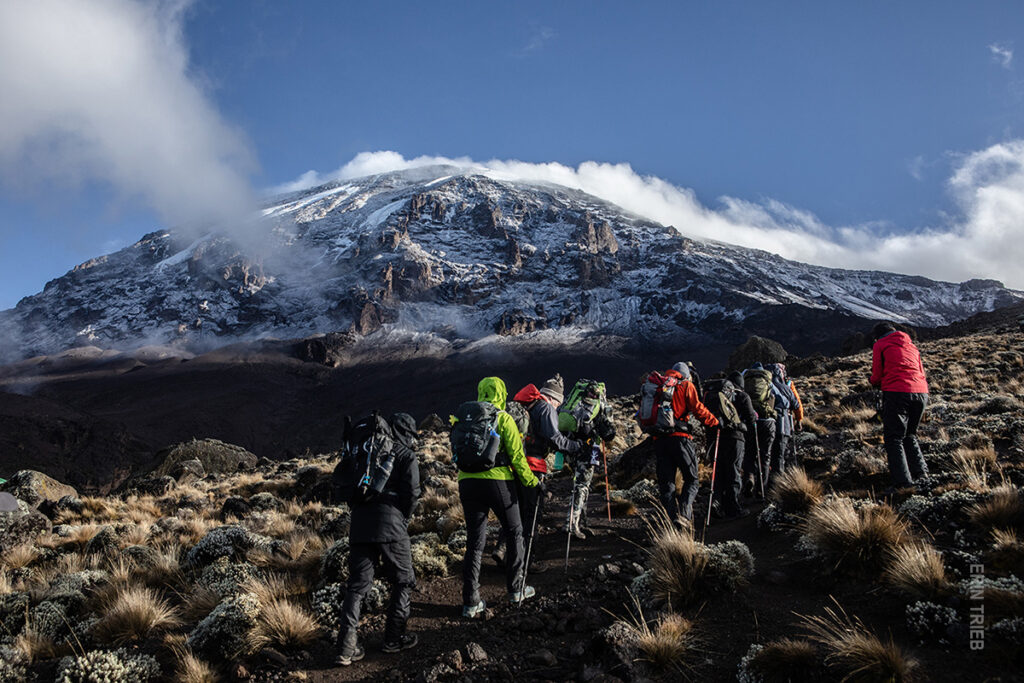
If you want a serious mountain adventure but do not necessarily want to climb Kilimanjaro, Mount Meru deserves attention.
Located near Arusha, Mount Meru offers spectacular mountain scenery and can also be used as an acclimatization climb before Kilimanjaro.
The mountain rises to approximately 4,566 metres.
The trek passes through forest and higher-altitude landscapes before reaching the summit area.
One of the major attractions is the dramatic scenery around the summit, including views toward Mount Kilimanjaro on clear days.
Mount Meru can also be a good option for travelers who have several days available but want something shorter than a full Kilimanjaro expedition.
Usambara Mountains
The Usambara Mountains offer a completely different trekking experience.
Rather than focusing primarily on reaching a high summit, hiking here is often about landscapes, forests, villages, viewpoints and local culture.
The mountains are part of Tanzania's Eastern Arc mountain system and are known for their lush vegetation and scenic surroundings.
Popular areas include Lushoto and the surrounding mountain villages.
Trekking routes can take you through:
- Mountain forests
- Farmland
- Villages
- Valleys
- Waterfalls
- Viewpoints
- Local communities
This makes the Usambara Mountains particularly attractive to travelers who want a combination of hiking and cultural experiences.
You can spend several days walking between villages rather than simply climbing toward a summit.
Udzungwa Mountains
Udzungwa offers another distinctive trekking experience.
The mountains are heavily associated with forests and biodiversity, making them especially interesting for travelers who enjoy nature rather than simply summit climbing.
One of the most popular experiences is hiking to waterfalls, including Sanje Falls.
The scenery can include:
- Tropical forest
- Mountain streams
- Waterfalls
- Steep valleys
- Birdlife
- Primates
- Panoramic viewpoints
Trekking in Udzungwa can therefore be combined with wildlife and nature-focused travel.
The Tanzania tourism authorities also promote the Mikumi and Udzungwa area as an active tourism destination.
Ol Doinyo Lengai
For travelers looking for something more unusual, Ol Doinyo Lengai offers a very different adventure.
The mountain is an active volcano located in northern Tanzania near the Lake Natron area.
The climb is steep and demanding, particularly because much of the ascent is undertaken during the night so that trekkers can reach the summit around sunrise.
The reward is an extraordinary volcanic landscape and expansive views across northern Tanzania.
This is not the same type of experience as Kilimanjaro.
It is shorter but can be physically demanding because of the steep terrain and loose volcanic surfaces.
Ngorongoro Highlands Trekking
The Ngorongoro Highlands provide opportunities to combine hiking with scenery, culture and wildlife.
Rather than simply climbing one mountain, travelers can explore trails through highland landscapes, forests, farms and communities.
Some experiences can include walks around the highlands near Karatu and the Ngorongoro area.
This type of trekking is particularly attractive if you are already planning a northern Tanzania safari.
You can combine:
instead of treating hiking as a completely separate holiday.
Trekking and Cultural Experiences
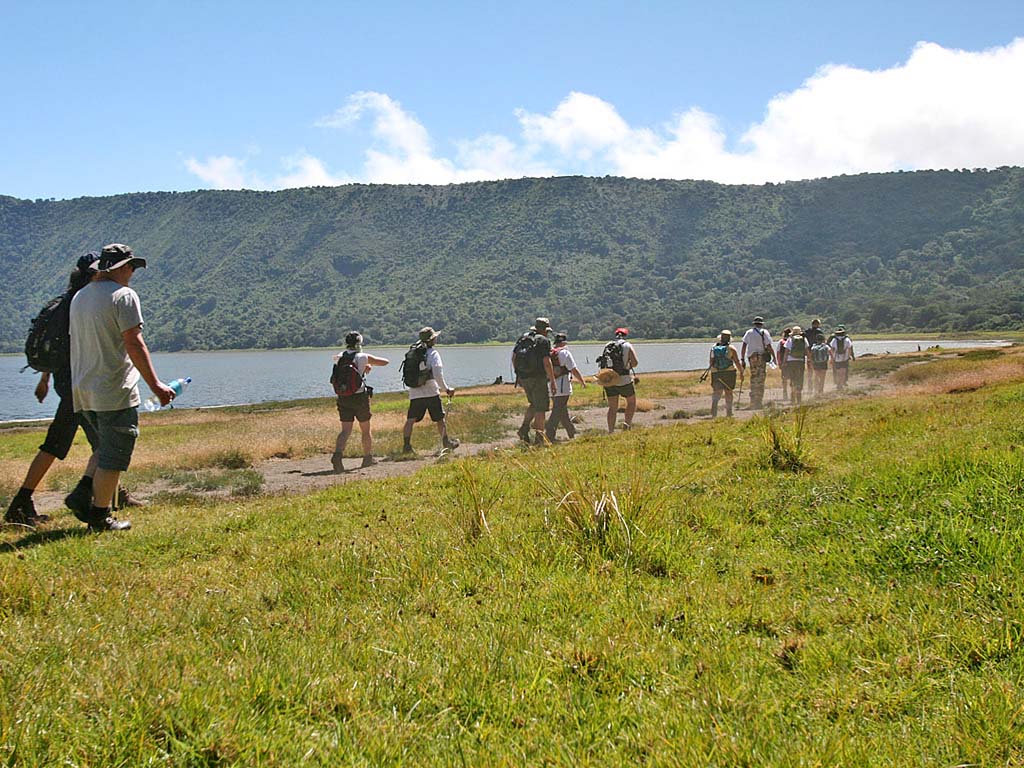
One of the most rewarding aspects of trekking in Tanzania is the opportunity to encounter local communities.
Walking through rural landscapes can provide a closer look at agriculture, traditional architecture, local food and everyday life.
In some areas, cultural tourism experiences are specifically designed around walking through villages and interacting with local residents.
This can make a trekking adventure much more meaningful than simply reaching a viewpoint.
However, cultural encounters should always be approached respectfully.
Ask before photographing people, respect private spaces and follow the guidance of your local guide.
What Is the Best Time for Trekking in Tanzania?
The best trekking period depends on the destination.
For major mountain climbs such as Kilimanjaro and Meru, many travelers prefer the drier periods because trails can be more comfortable and visibility is often better.
Generally, the main trekking seasons are:
June to October
This is a popular period because of relatively dry conditions and pleasant temperatures at lower elevations.
January to February
Another commonly preferred period, particularly for mountain trekking.
March to May
The long rains can make some trails wetter and muddier. However, this period can still appeal to travelers who prioritize fewer visitors and greener landscapes.
November to December
Short rains may occur, although conditions vary from one location to another.
Mountain weather can change rapidly, so a good trekking plan should never depend entirely on a long-range weather forecast.
How Difficult Is Trekking in Tanzania?
Difficulty varies dramatically.
A short forest hike may be suitable for someone with moderate fitness, while a Kilimanjaro climb requires several days of sustained walking at increasing altitude.
A useful way to think about trekking difficulty is through four factors:
A trek can be physically demanding even when the daily distance appears short.
Altitude Is the Biggest Challenge on High Mountains
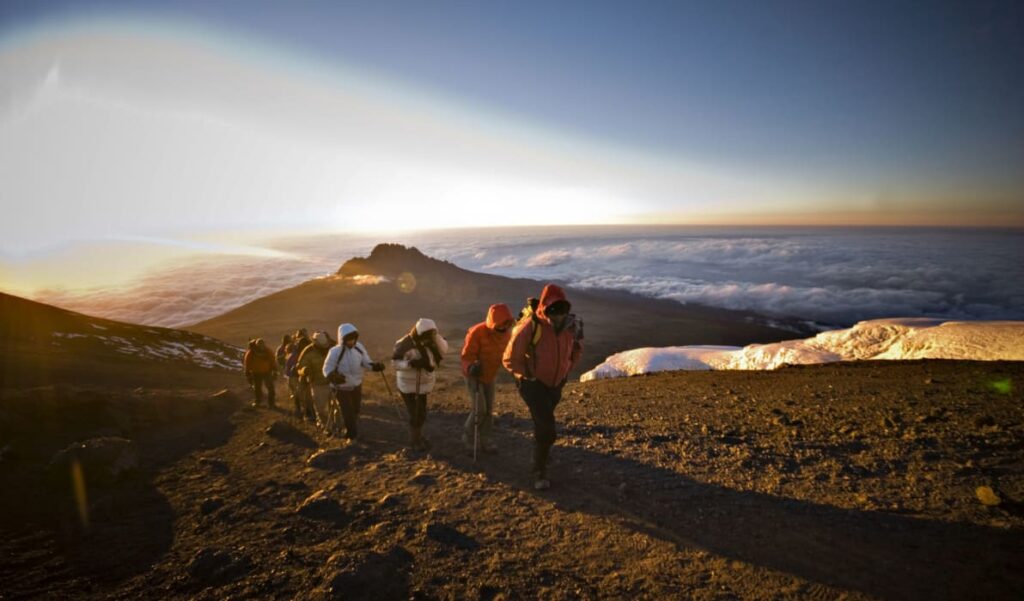
One of the most important things to understand before climbing Kilimanjaro or another high mountain is that altitude is different from ordinary physical fitness.
A person can be extremely fit and still experience altitude-related problems.
As altitude increases, the body has less oxygen available.
Possible symptoms of altitude sickness can include:
- Headache
- Loss of appetite
- Nausea
- Dizziness
- Fatigue
- Difficulty sleeping
Serious symptoms require immediate attention.
This is why itinerary design matters.
A good trekking itinerary should allow your body time to adjust rather than attempting to reach high altitude as quickly as possible.
Our Tanzania trekking experts generally recommend choosing an itinerary based on safe acclimatization rather than simply selecting the shortest possible climb.
How Fit Do You Need to Be?
You do not need to be an elite athlete to trek in Tanzania.
However, you should prepare your body for several hours of walking on consecutive days.
Useful preparation includes:
- Long-distance walking
- Hiking
- Stair climbing
- Hill walking
- Strength training
- Cardiovascular exercise
- Walking with a daypack
Begin training several weeks or months before your trek.
The longer and higher the trek, the more important preparation becomes.
What Should You Pack for a Tanzania Trek?
Your exact packing list depends on the mountain and season, but important items include:
Clothing
Equipment
Personal essentials
- Passport
- Travel insurance documents
- Necessary medication
- Toiletries
- Reusable water bottle
- Small personal snacks
For high-altitude climbs, your guide or trekking company should provide a detailed packing list specific to your route.
Do You Need a Guide?
For major mountain climbs, professional guiding and organized support are essential parts of the experience.
A good guide does much more than lead the way.
Your guide can help with:
Porters may also support equipment and camp logistics on supported mountain climbs.
When choosing a trekking company, do not focus only on the cheapest price.
Ask how they treat their guides and porters, what safety procedures they use and exactly what is included in the price.
Trekking vs Safari: Which Should You Choose?
You do not necessarily have to choose.
Tanzania is one of the best destinations for combining both.
Imagine starting with several days of trekking before moving into the wilderness for a safari.
For example:
Or:
The Tanzania tourism industry also promotes itineraries that combine active experiences with wildlife, culture and heritage, demonstrating how trekking and other adventure activities can fit naturally into a broader Tanzania journey.
Best Trekking Adventure for Different Travelers
| Traveler | Recommended experience |
|---|---|
| First-time mountain trekker | Mount Meru or a moderate highland hike |
| Serious climber | Mount Kilimanjaro |
| Experienced trekker | Northern Circuit Kilimanjaro |
| Culture lover | Usambara Mountains |
| Nature lover | Udzungwa Mountains |
| Volcano enthusiast | Ol Doinyo Lengai |
| Safari traveler | Ngorongoro Highlands |
| Adventure + safari traveler | Meru/Kilimanjaro + Northern Circuit safari |
| Short-trip traveler | Day hikes around Arusha or nearby highlands |
How Many Days Do You Need?
The answer depends entirely on your chosen destination.
A short hiking experience can take only a few hours or one day.
Usambara and Udzungwa adventures can be designed over several days.
Mount Meru generally requires multiple days.
Kilimanjaro requires a much longer commitment because reaching high altitude safely is more important than rushing to the summit.
If your schedule allows it, adding an extra day to a high-altitude trek can sometimes make the experience more comfortable and improve acclimatization.
Can Beginners Go Trekking in Tanzania?
Yes.
But beginners should choose the right trek.
There is a major difference between a three-hour nature walk and a multi-day climb to nearly 6,000 metres.
If this is your first trekking experience, start with an adventure appropriate to your fitness and experience rather than choosing the most famous mountain simply because it is famous.
A local trekking specialist can help match the route to your ability.
Trekking for Couples and Honeymooners
Trekking can be an excellent honeymoon experience for adventurous couples.
You could spend several days challenging yourselves in the mountains before relaxing on Zanzibar's beaches.
A popular combination might be:
Or for a more ambitious adventure:
The key is to leave enough recovery time between physically demanding activities and beach relaxation.
Family Trekking in Tanzania
Families can enjoy trekking, but the route should be chosen carefully.
Short nature walks, forest hikes and cultural walking experiences may be much more appropriate for younger travelers than high-altitude mountain climbing.
Parents should consider:
- Children's age
- Fitness level
- Walking experience
- Altitude
- Weather
- Trail difficulty
- Medical considerations
A family trekking itinerary should prioritize enjoyment and safety rather than distance or summit achievement.
How Much Does Trekking in Tanzania Cost?
The price varies significantly depending on the destination, number of days, group size, accommodation, permits, transportation, guides, porters, equipment and level of service.
A short local hike can cost considerably less than a multi-day Kilimanjaro expedition.
Kilimanjaro is more expensive because a longer climb involves extensive logistics, mountain fees, guides, porters, food, camping or huts, transportation and other operational costs.
When comparing trekking quotes, look beyond the headline price.
Ask:
- How many trekking days are included?
- Are park and mountain fees included?
- Are guides included?
- Are porters included?
- Is accommodation before and after the trek included?
- Is transportation included?
- Are meals included?
- Is emergency support included?
- What equipment is provided?
A very cheap quote can sometimes exclude important services.
Responsible Trekking in Tanzania
Responsible trekking is important because mountain environments are fragile.
Travelers should:
Choosing a responsible trekking operator is equally important.
A successful trek should benefit not only the traveler but also the guides, porters, communities and environments involved in the experience.
Sample Tanzania Trekking and Safari Itinerary
If you want to combine adventure and wildlife, a 10-day trip could look like this:
- Day 1
Arrive in Tanzania
Arrival and overnight in Arusha.
- Day 2
Mount Meru Trek Preparation
Briefing, equipment check and preparation.
- Day 3
Mount Meru Trek
Begin the ascent through forest and mountain landscapes.
- Day 4
Mount Meru Summit
Continue toward the summit and descend according to the planned route.
- Day 5
Recovery Day
Rest in Arusha.
- Day 6
Tarangire National Park
Enjoy a wildlife safari among elephants and baobab landscapes.
- Day 7
Ngorongoro
Explore the Ngorongoro area and surrounding highlands.
- Day 8
Serengeti
Continue into the Serengeti for a game drive.
- Day 9
Serengeti
Full-day wildlife exploration.
- Day 10
Departure
Transfer for your onward journey.
For travelers with more time, Zanzibar can be added after the safari.
What Makes Trekking in Tanzania Special?
The greatest advantage of trekking in Tanzania is variety.
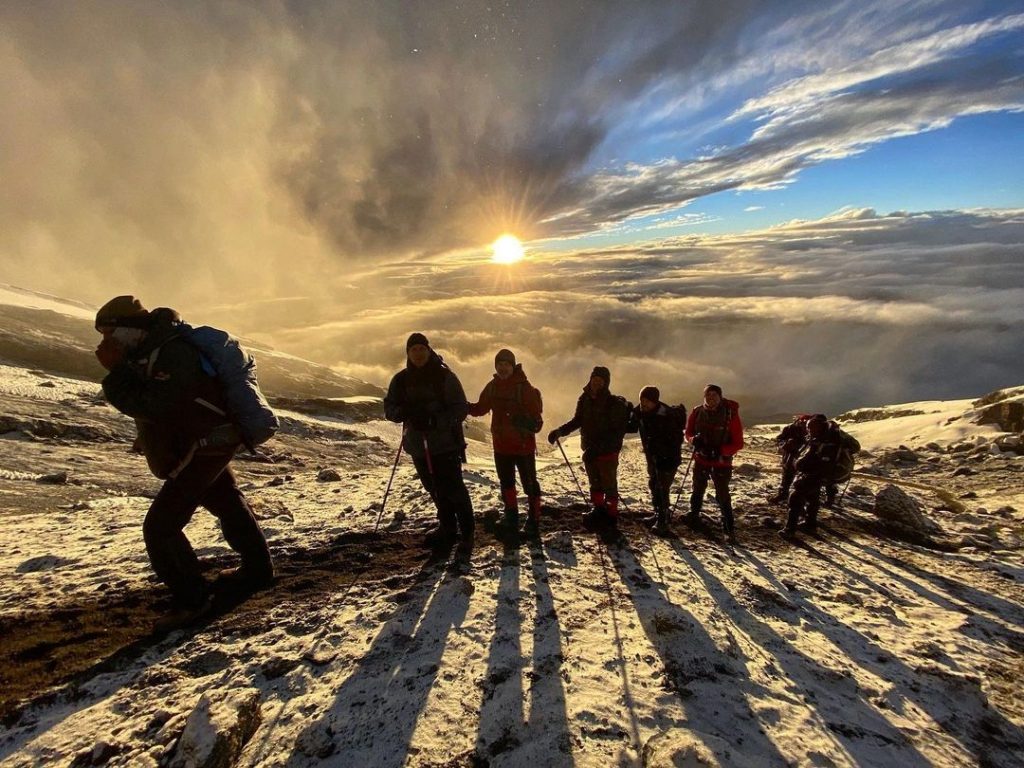
You can climb an iconic African mountain, walk through ancient forests, visit remote villages, explore volcanic landscapes and then finish your journey watching elephants, lions or wildebeest on safari.
Few destinations allow travelers to combine such different experiences within one trip.
Tanzania's highlands are not simply a place to exercise.
They are landscapes with their own ecosystems, cultures, histories and communities.
Frequently Asked Questions
What is the best trekking adventure in Tanzania?
Mount Kilimanjaro is the most famous, but it is not automatically the best for everyone. Mount Meru, Usambara, Udzungwa and Ol Doinyo Lengai provide very different experiences.
Is Tanzania good for trekking?
Yes. Tanzania offers high-altitude mountain climbs, forest hikes, volcanic adventures, cultural walks and scenic highland trekking.
Is Kilimanjaro suitable for beginners?
Yes, beginners can climb Kilimanjaro, provided they are physically prepared and choose an appropriate itinerary with sufficient acclimatization.
Is trekking in Tanzania safe?
Trekking can be safe when properly planned and supported by qualified guides, appropriate equipment and good emergency procedures. High-altitude climbs require particular attention to altitude-related illness.
Can I combine trekking with a safari?
Absolutely. Mount Meru or Kilimanjaro can be combined with destinations such as Tarangire, Ngorongoro and Serengeti.
Can I trek in Tanzania without climbing Kilimanjaro?
Yes. Mount Meru, the Usambara Mountains, Udzungwa Mountains, Ngorongoro Highlands and other areas offer excellent alternatives.
What is the best month for trekking in Tanzania?
June to October and January to February are commonly preferred periods for major mountain trekking, although conditions vary by destination and weather.
How long should I spend trekking?
It depends on the destination. Short hikes can take a few hours, while major mountain climbs require several days. For high-altitude trekking, a longer itinerary is generally preferable to rushing.
Do I need previous trekking experience?
Not necessarily. Many routes are suitable for beginners, while more demanding climbs are better suited to experienced trekkers.
Can I combine Kilimanjaro with Zanzibar?
Yes. A Kilimanjaro climb followed by a Zanzibar beach holiday is one of the classic Tanzania adventure combinations.
Final Thoughts
Tanzania is much more than a safari destination.
Its mountains and highlands offer some of Africa's most memorable walking adventures, from the challenge of reaching Uhuru Peak on Kilimanjaro to peaceful forest hikes in the Usambara and Udzungwa Mountains.
The best trekking adventure is not necessarily the highest or hardest.
It is the one that matches your fitness, available time, interests and appetite for adventure.
Whether you want a serious summit challenge, a cultural hiking experience or a complete adventure combining mountains, wildlife and beaches, Tanzania gives you the opportunity to build a journey around the way you want to explore.
Talk to Our Safari Experts
Have a question or ready to start planning? Reach our local team in Arusha the way that suits you best.