
Home / Wildlife Safari / Tarangire
Northern TanzaniaTarangire holds some of Africa's largest elephant herds, set among a landscape of centuries-old baobab trees.
Overview
Tarangire National Park lies roughly two hours south of Arusha, centred on the Tarangire River — the only permanent water source for miles during the dry season, drawing wildlife in extraordinary numbers.
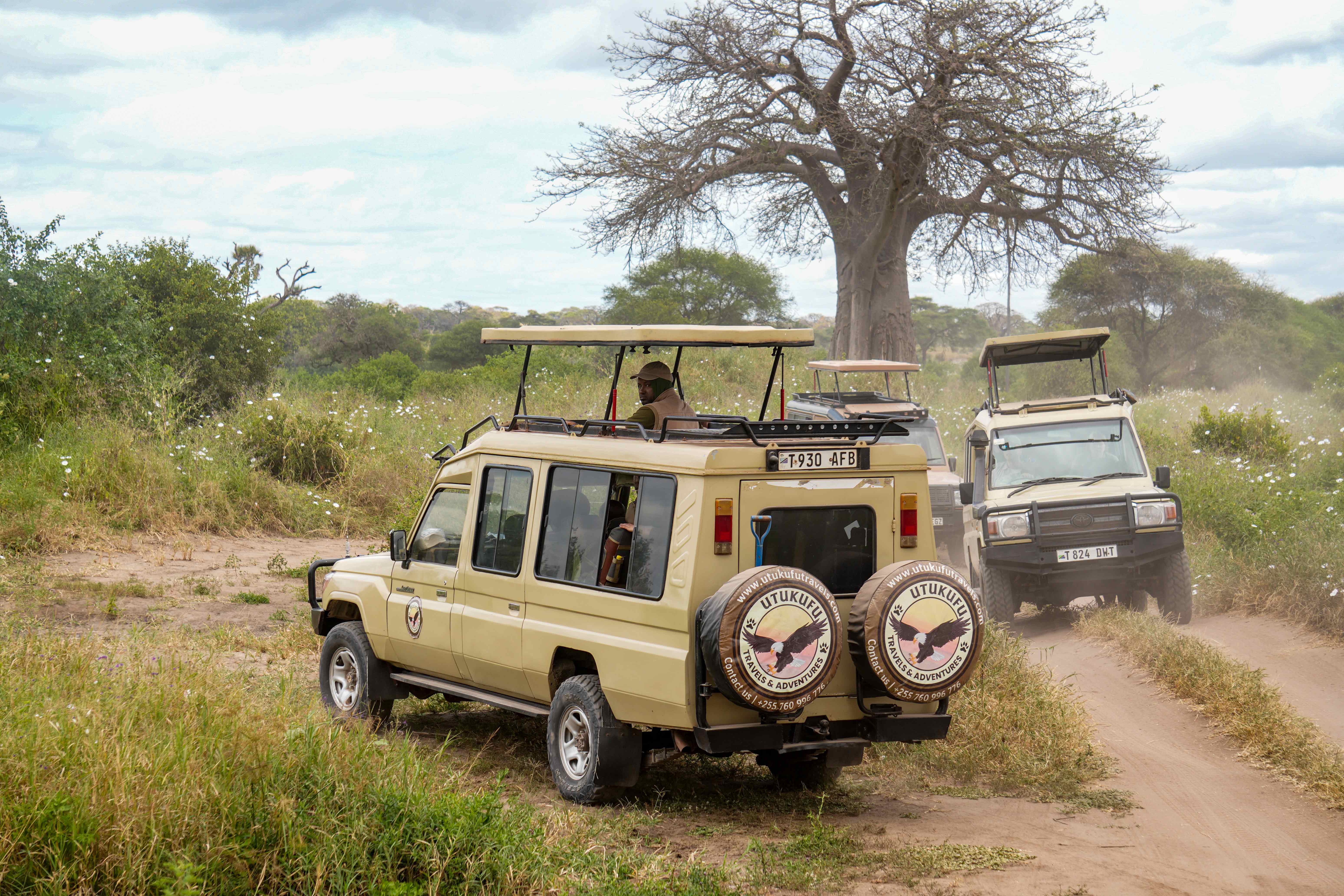
Its signature feature is the baobab: thousands of these ancient, swollen-trunked trees dot the landscape, some believed to be over a thousand years old, giving the park a character unlike anywhere else in northern Tanzania.
Why Visit
Herds of several hundred elephant gather along the river in the dry season.
Ancient baobab trees create some of Tanzania's most distinctive safari scenery.
Over 550 recorded bird species, among the highest counts of any Tanzanian park.
Quieter than the northern circuit's more famous parks, even in peak season.
Easily reached in about two hours, ideal for shorter itineraries.
The dry season concentrates wildlife dramatically, but sightings remain good throughout the year.
Signature Experiences



Places & Attractions

The park's lifeline in the dry season, drawing large elephant herds to its banks.
Some of the park's baobabs are centuries old, scattered across open plains.

A seasonal wetland in the park's south, rich in birdlife.

A rocky rise offering panoramic views across the river valley.
Best Time to Visit
Jun–Oct
Dry season — elephant herds concentrate along the river. Best game viewing, peak season.
Nov–Dec
Short rains, landscape greens up, wildlife disperses slightly, fewer visitors.
Jan–Feb
Warm and mostly dry, good birdwatching with migratory species present.
Mar–May
Long rains, lush and quiet, lowest visitor numbers of the year.
What to Expect
Elephant in large numbers, alongside lion, giraffe, and over 550 recorded bird species.
Rolling grassland studded with ancient baobabs and acacia woodland along the river.
Warm and dry from June to October, with two distinct rainy seasons the rest of the year.
Noticeably quieter than the Serengeti or Ngorongoro, with a slower, more intimate pace.
Location
Travel Guide
About two hours by road from Arusha, or a short flight to Kuro airstrip.
One to two nights is enough to explore the river area and see the elephant herds.
Neutral safari clothing, sun protection, and binoculars for the excellent birdwatching.
By 4x4 safari vehicle with a guide, on the park's network of game-viewing tracks.
Hot and dry from June to October, with rains in Nov and Mar–May.
Visit in the dry season for the best elephant sightings along the shrinking river.
Why Travel With Us
A local team that plans every detail around you.
Tanzania-born guides and planners who know these parks intimately, not from a brochure.
Every itinerary is built around your dates, pace, and interests — never a fixed template.
Experienced, safety-focused guides who bring the wildlife and landscapes to life.
A Tanzania-based team on call throughout your trip, not just before you arrive.
Real cultural encounters and off-the-obvious-path moments, not staged photo stops.
From the first enquiry to the final sundowner, every detail is planned with care.
FAQ
June to October, when the dry season concentrates elephant herds along the river.
One to two nights is typically enough to see the park's highlights.
Game drives, walking safaris in permitted areas, and excellent birdwatching.
Sun protection, neutral clothing, and binoculars for birdwatching.
About two hours by road from Arusha, or a short flight to Kuro airstrip.
Yes — shorter drive times and reliable elephant sightings suit shorter attention spans.
Yes, particularly as a quieter add-on to a Serengeti or Ngorongoro itinerary.
Yes — it's commonly paired with Lake Manyara and Ngorongoro on the way to the Serengeti.
Tell us what kind of experience you're looking for and let our local travel specialists create a journey around you.