
Home / Wildlife Safari / Lake Manyara
Northern TanzaniaA compact park of forest, lake, and escarpment — famous for its tree-climbing lions and vivid birdlife.
Overview
Lake Manyara sits at the base of the Great Rift Valley escarpment, about two hours from Arusha. Despite its modest size, it packs groundwater forest, acacia woodland, and a shallow soda lake into one compact park.
It's best known for its tree-climbing lions — a rare behaviour seen in few other places — and for hosting thousands of flamingos when lake conditions are right.
Why Visit
One of the few places in Africa where lions regularly rest in acacia branches.
Thousands of flamingos gather on the soda lake when water levels are right.
The escarpment backdrop makes for striking, unusual safari photography.
Compact enough to explore fully in half a day, ideal alongside Ngorongoro or Tarangire.
A rare habitat type for the region, home to baboon and blue monkey troops.
Over 400 recorded species make it a rewarding stop for birdwatchers.
Signature Experiences


Places & Attractions
A shallow soda lake that draws flamingos and pelicans when conditions are right.

A lush, spring-fed forest at the base of the rift wall, home to primate troops.
Best Time to Visit
Jun–Oct
Dry season, reliable wildlife viewing along the lake edge. Peak season.
Nov–Dec
Short rains, lush forest, good flamingo numbers on the lake.
Jan–Feb
Warm, mostly dry, strong birdwatching conditions.
Mar–May
Long rains, lake levels rise, some roads may be harder to access.
What to Expect
Tree-climbing lions, flamingo flocks, hippo pods, and troops of baboon and monkey.
Groundwater forest gives way to open lake shore, framed by the Rift Valley escarpment.
Warm and mostly dry from June to October, wetter the rest of the year.
A gentler, more intimate pace than the larger northern circuit parks.
Location
Travel Guide
About two hours by road from Arusha, en route to Ngorongoro and the Serengeti.
Half a day is enough for most visitors, often combined with another park the same day.
Light, breathable clothing, plus binoculars for the excellent birdwatching.
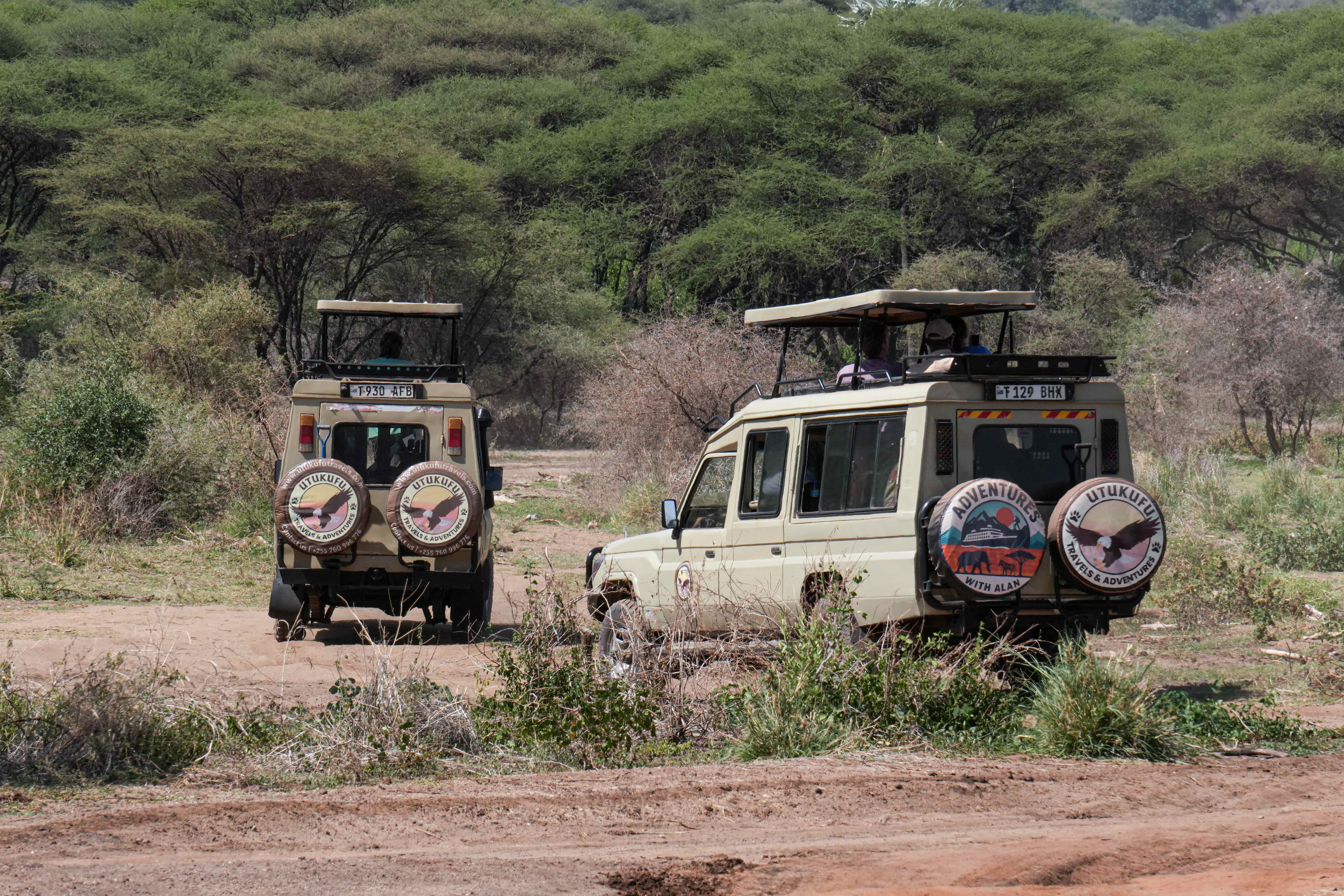
By 4x4 safari vehicle with a guide, on tracks running along the lake and through the forest.
Warm year-round, driest from June to October.
Ask your guide about recent lion sightings in trees — the behaviour isn't guaranteed daily.
Why Travel With Us
A local team that plans every detail around you.
Tanzania-born guides and planners who know these parks intimately, not from a brochure.
Every itinerary is built around your dates, pace, and interests — never a fixed template.
Experienced, safety-focused guides who bring the wildlife and landscapes to life.
A Tanzania-based team on call throughout your trip, not just before you arrive.
Real cultural encounters and off-the-obvious-path moments, not staged photo stops.
From the first enquiry to the final sundowner, every detail is planned with care.
FAQ
June to October for the driest, most reliable wildlife viewing.
Half a day is typically enough, often combined with Ngorongoro or Tarangire.
Game drives focused on the lake shore and forest, plus strong birdwatching.
Light clothing and binoculars — the birdwatching here is exceptional.
About two hours by road from Arusha, on the route to Ngorongoro and the Serengeti.
Yes — its compact size and short drive times suit families well.
Yes, particularly as a scenic half-day stop within a longer romantic itinerary.
Yes — it's almost always paired with Ngorongoro, Tarangire, or the Serengeti.
Tell us what kind of experience you're looking for and let our local travel specialists create a journey around you.